





Travel Information for Visiting Amboró National Park
About Amboró National Park and Integrated Management Natural Area
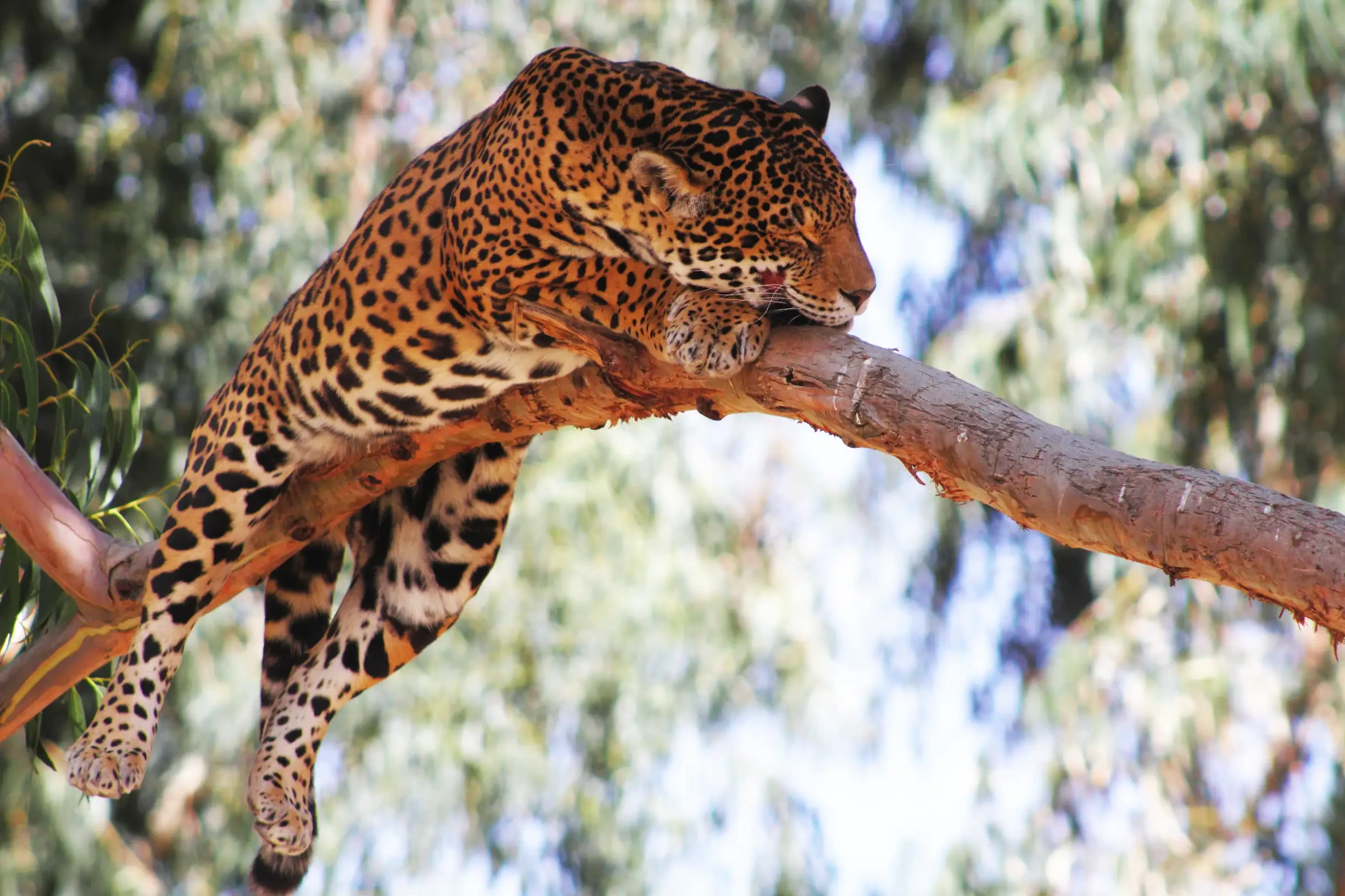
It is located west of the Santa Cruz department, in the sub‑Andean strip of the Eastern Cordillera of the Andes. It is estimated that Amboró Park could have between 4,000 and 5,000 plant species; officially, there is a registered count of approximately 3,000 species. Regarding fauna diversity, within the invertebrate group, 289 species of day‑flying butterflies were recorded, making Amboró the most diverse park in the country in this group. It is also estimated that there is high diversity of beetles, orchid bees, horseflies, spiders, scorpions, myriapods, among others. Regarding fish, among the most common are the sábalo (Prochilodus labeo), surubí (Pseudoplatystoma fasciatum) and pacú (Piaractus brachypomus). With respect to herpetofauna, the park has the greatest richness of any protected area in the country, with 127 known reptile species corresponding to 50% of the species known for Bolivia, where the yacaré (Caimán yacaré) and the boa (Boa constrictor) stand out. 802 bird species are known, representing 60% of those registered in the country and making Amboró the most diverse protected area on the planet to date. Among the outstanding species we can mention the stone‑crest guan (Pauxi unicornis), the military macaw (Ara militaris), the red‑fronted macaw (Ara rubrogenys), the harpy eagle (Harpia harpyja) and other endemic bird species. Finally, the mammal group is represented with 136 documented species. The best‑represented groups are bats, rodents, carnivores, marsupials and primates. The mammals that stand out are: the jucumari or spectacled bear (Tremarctus ornatus), the jaguar (Panthera onca), the giant anteater (Myrmecophaga tridactyla), among others.
Tourist Attractions
Data
Management Category
National Park and Integrated Management Natural Area.
Extent
It has a surface area of 442,500 ha.
Location
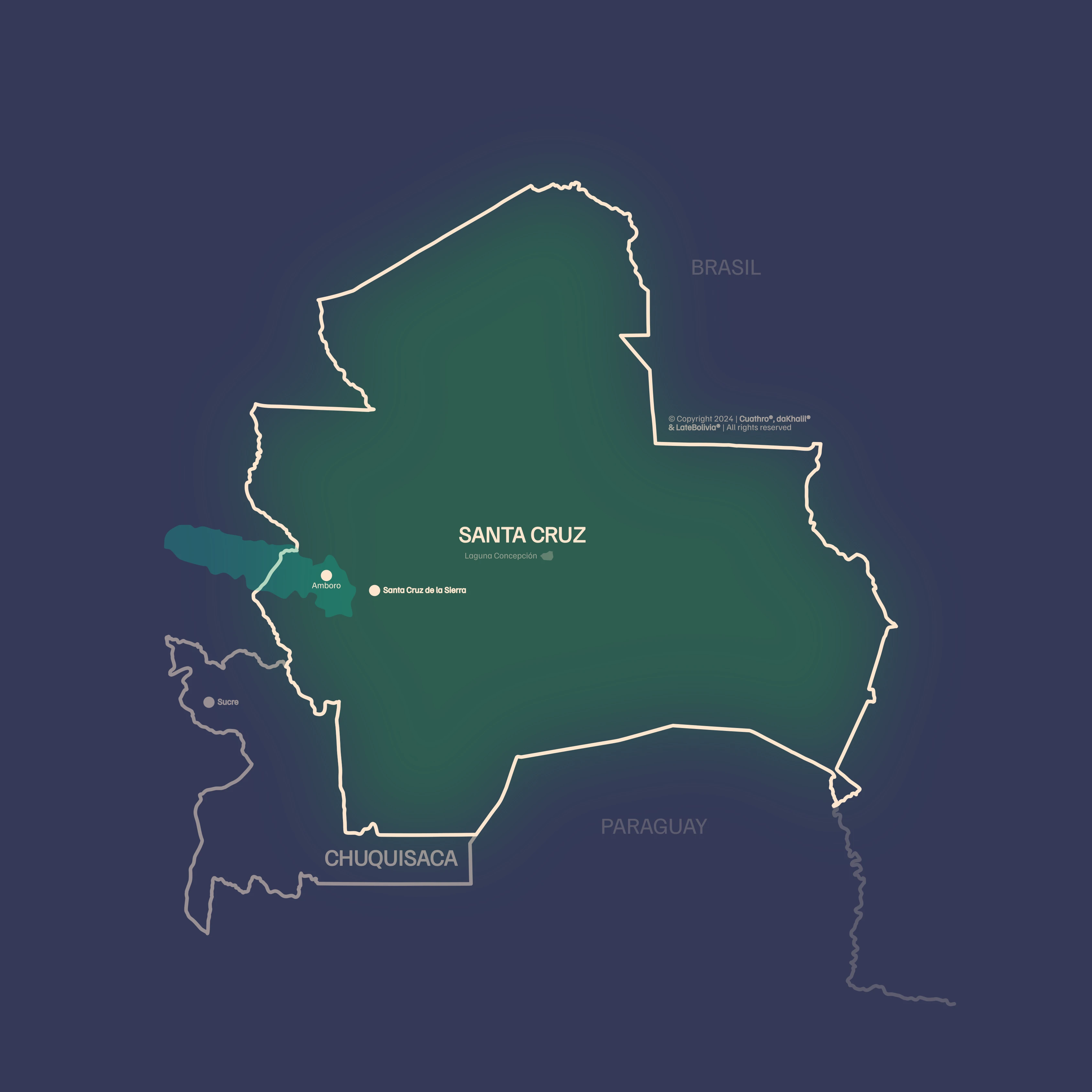
It is located in the sub‑Andean strip of the Eastern Cordillera of the Andes, in the so‑called "Elbow of the Andes." It covers four provinces of the Santa Cruz department, in the municipalities of El Torno, Porongo, Samaipata, Mairana and Pampa Grande, Comarapa, Buena Vista, San Carlos and Yapacaní.
Biogeographical Subregions, Altitudinal Range and Climate
The area is located in the so‑called "Elbow of the Andes" or Sub‑Andean region of the Santa Cruz Department, where the mountain range changes direction toward the South. The region is typically mountainous with steep slopes and pronounced differences in elevation. The altitudinal range varies between 3,300 and 300 m a.s.l. and the climate is temperate in the upper part and warm in the lower zones.
How to Get to Amboró National Park?
The Park is surrounded to the south and north by two main highways, both connecting the cities of Cochabamba and Santa Cruz. Several secondary roads branch off from these routes, allowing relatively easy access to the Park. In the Northern Zone, the main access is via Buena Vista, Santa Fe or Yapacaní, along the new Cochabamba–Santa Cruz highway, and it is also possible to access via several dirt tracks (Espejitos, Saguayó, La Chonta, Macuñucu) and the Yapacaní River during the rainy season. In the Southern Zone, entry can be made through several towns along the old Cochabamba–Santa Cruz highway (El Torno, Samaipata, Mairana, Pampa Grande, Mataral and Comarapa). There are public transport departures from Santa Cruz de la Sierra to the town of Samaipata, where there are a wide variety of transport options to the Southern part of Amboró Park.
Local Population
The direct area of influence of Amboró Park includes an approximate area of 10,578.55 km², encompassing the space between the two highways that link the cities of Cochabamba and Santa Cruz, which in this case constitute the North and South boundaries; to the East are the localities of San Carlos, Buena Vista and Huaytú; to the West is the departmental boundary with Cochabamba, which in turn meets the boundary of Carrasco National Park. South of Amboró Park, the nearest tourist population is Samaipata, located in the first Andean foothills at 1,670 meters above sea level, about 2.5 hours from the city of Santa Cruz de la Sierra, with a population of approximately 4,000 people.
Vegetation and Flora
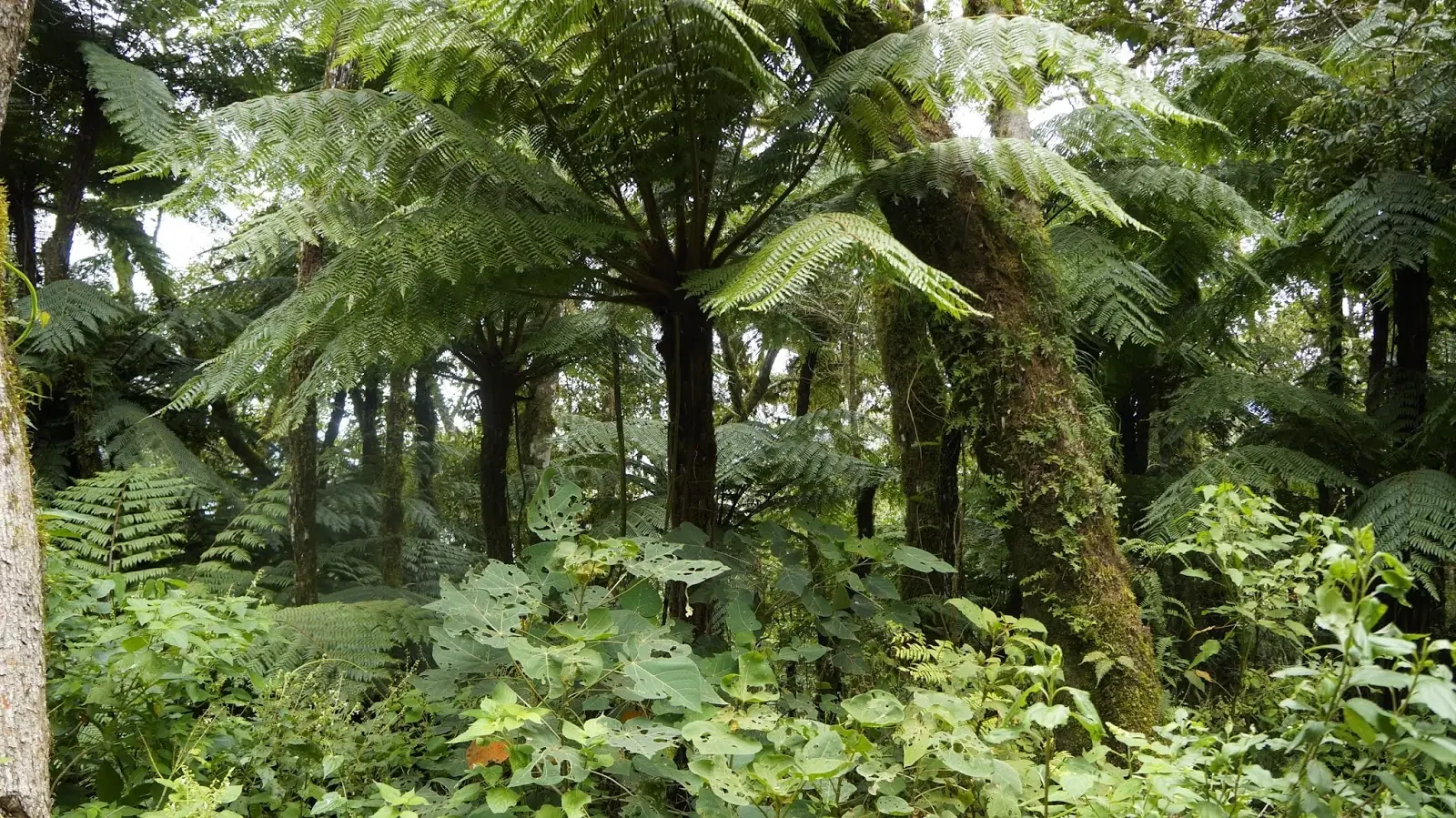
In Amboró Park, 2,659 species of higher plants are registered; however, the existence of more than 3,500 is estimated. Among the flora species we can mention: limachu (Myrsine coriacea), khellu kheluu (Bocona frutescens), cebillo (Myrica pubescens), bibosi (Ficus sp.), amabaiba grape (Pourouma sp.), pacay (Inga velutina), guitarrero (Didymopanax morototoni), red clove (Palicourea bryophila), mara (Swietenia macrophylla), mountain pines (Podocarpus sp.), walnut (Juglans boliviana), canelón (Aniba coto). Of enormous relevance is the presence of extensive patches of giant tree ferns (Cyathea sp., Alsiphila sp.) in cloud forests. Additionally found are pachiuva (Scrotea exorrhiza), asaí (Euterpe precatoria) and several species of endemic orchids.
Wildlife
The richness of bird species described for Amboró Park exceeds 840, more than 60% of the total for Bolivia. This number is higher than the bird richness of much of the countries of the globe, as well as a great diversity of mammals and reptiles. The richness of reptiles is represented by 105 species; 109 fish species have been recorded. Regarding amphibians, 76 species have been identified and more than 127 mammal species are registered, among which 43 bat species stand out. Regarding fauna, more than 1,200 species are registered; there is a great diversity of mammal species: the jucumari or spectacled bear (Tremarctus ornatus), the jaguar (Panthera onca), the puma (Felis concolor), the ocelot (Felis pardalis), other felines (Felis yagoaroundi, Felis wiedii, Felis geoffroyi, Felis tigrina), the giant anteater (Myrmecophaga tridáctila), the giant armadillo (Priodontes maximus), the spider monkey (Ateles paniscus), otters (Lutra longicaudis), the tapir (Tapirus terrestris), deer (Mazama americana, Mazama gouazoubira).
Tourism
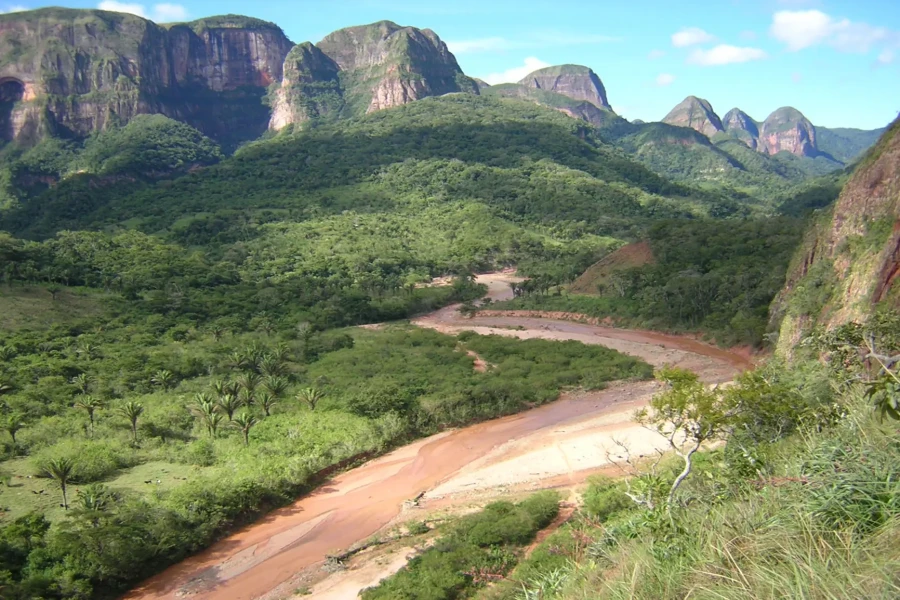
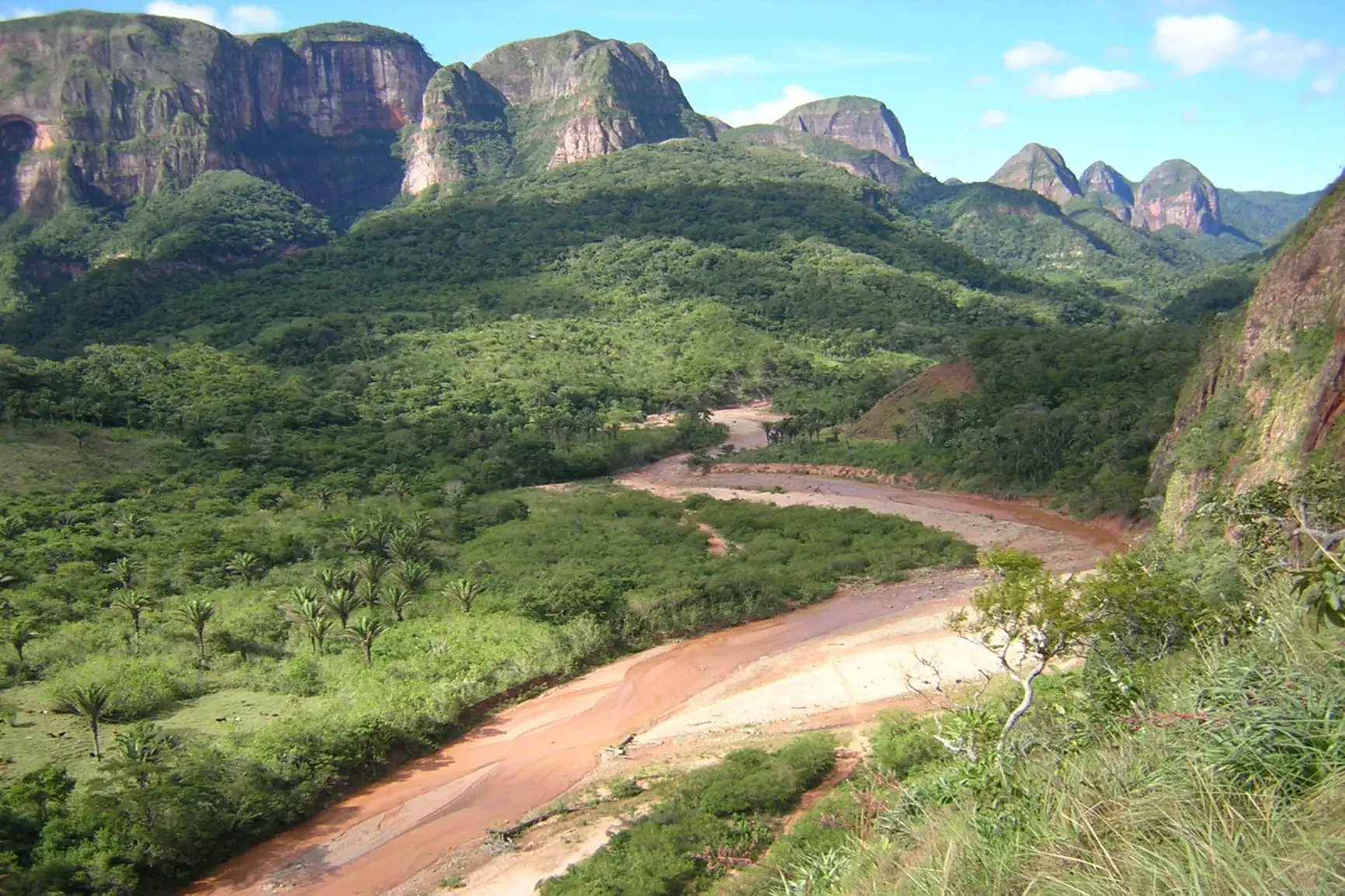
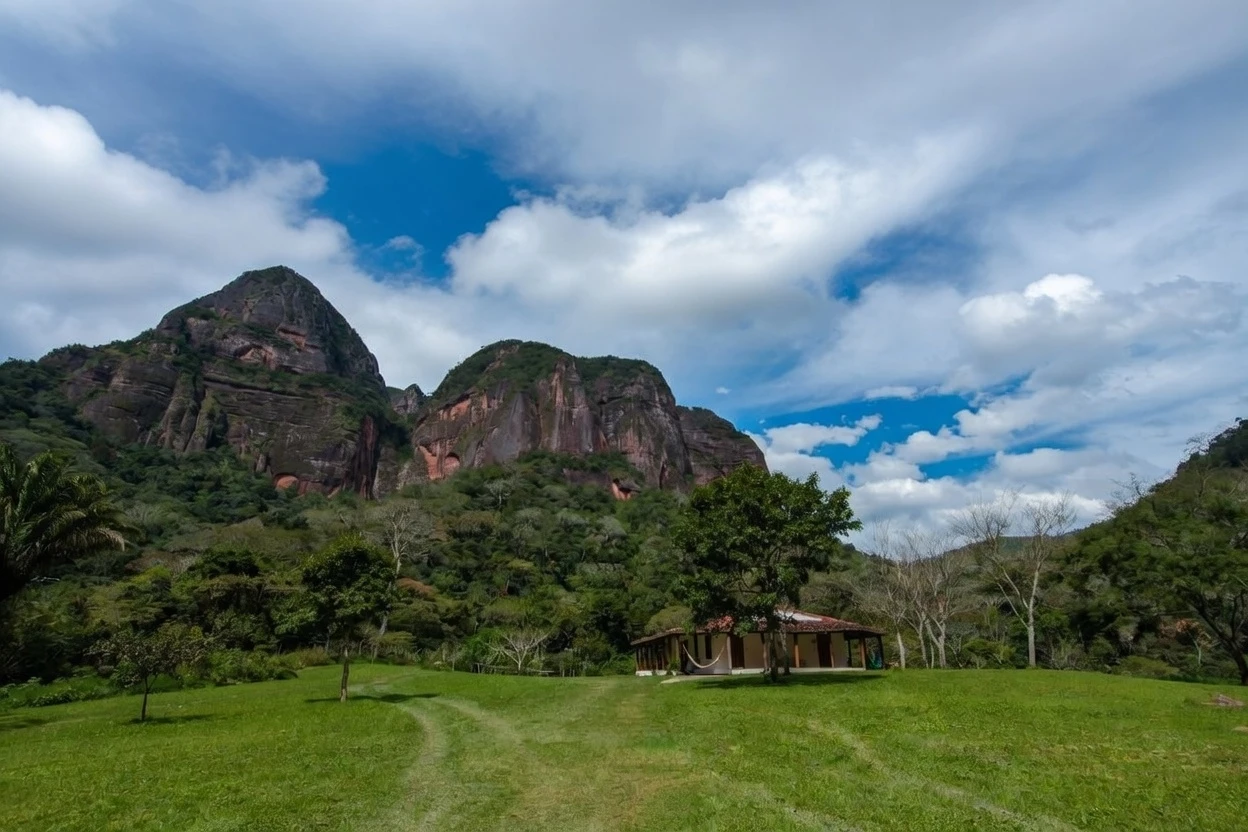
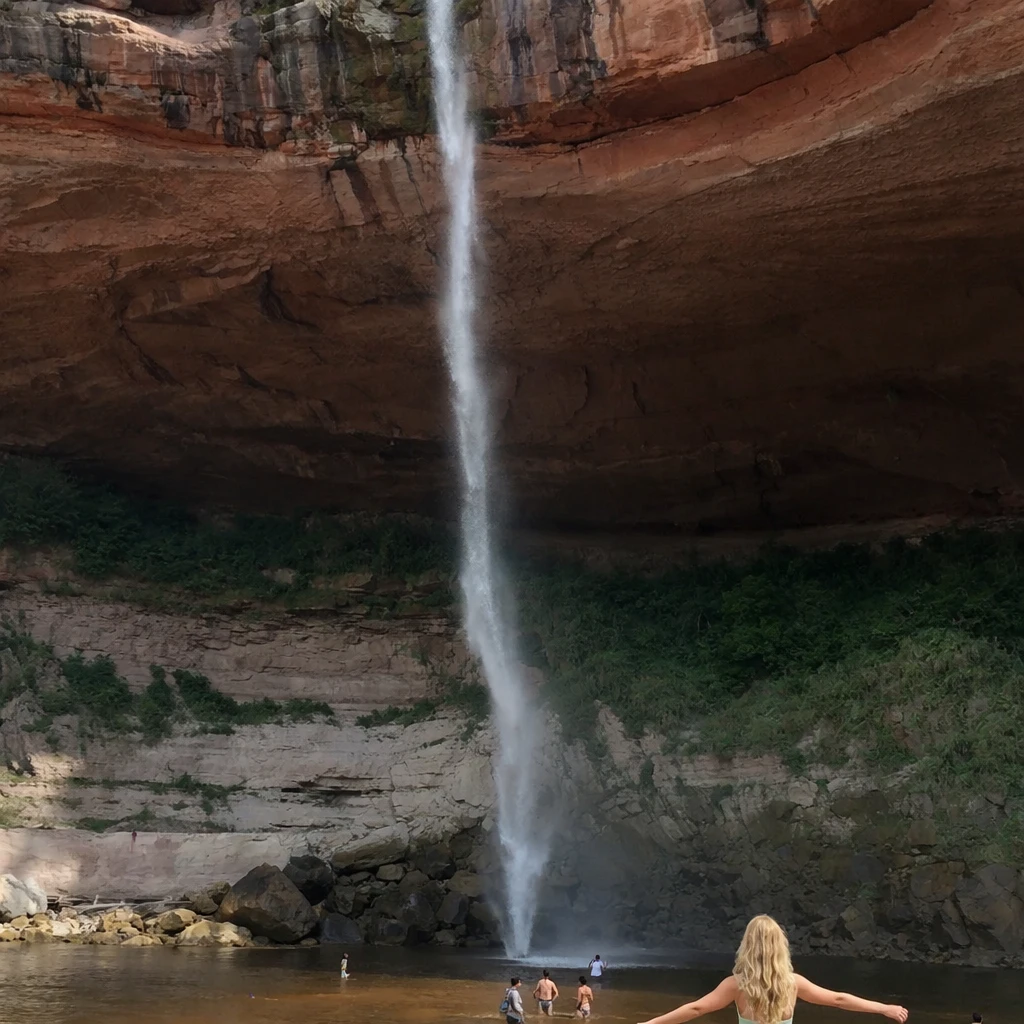
Amboró Park presents great scenic beauty due to the mountainous relief, deep canyons and valleys, torrential rivers and waterfalls. It is characterized by a great diversity of humid mountain ecosystems. In the external southern buffer zone are the archaeological ruins of Samaipata (Fuerte de Samaipata) and the pictographs of Tunal; surrounding the area are picturesque populations such as Samaipata, Comarapa and Buena Vista. There is a wide offer of places and tourist services, such as: Siberia (cloud forest of exceptional floristic diversity and very suitable for birdwatching), La Cascada de Mucuñucú of 40 meters in height, Los Cajones del Ichilo, Saguayo (where a great variety of animals, birds and orchids can be observed), La Chonta (ideal for birdwatching), La Yunga de Mairana or the "Giant Fern Forest", Mataracú, Laguna Verde, Villa Amboró, Jardín de las Delicias, Volcanes, of great landscape beauty and promoted by local communities.
Tripadvisor