






Wildlife observation, natural landscapes and dinosaur footprints
About National Parks
Bolivia has 13 national parks and a set of protected areas that, in total, cover more than 22,000 km² of territory, protecting ecosystems that range from the snow-capped peaks of the Altiplano to the Amazon rainforest.
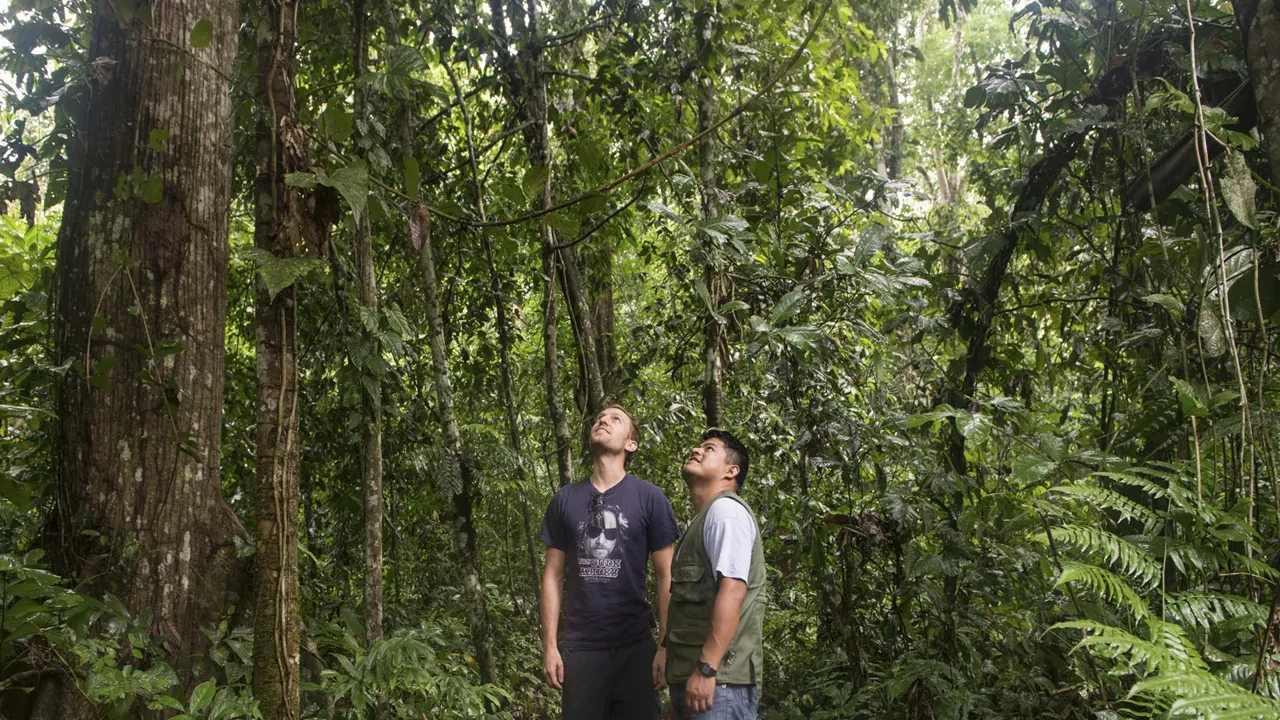
Among the most emblematic is Madidi National Park, considered one of the most biodiverse protected areas on the planet, with more than 5,500 plant species and nearly 1,800 vertebrates.
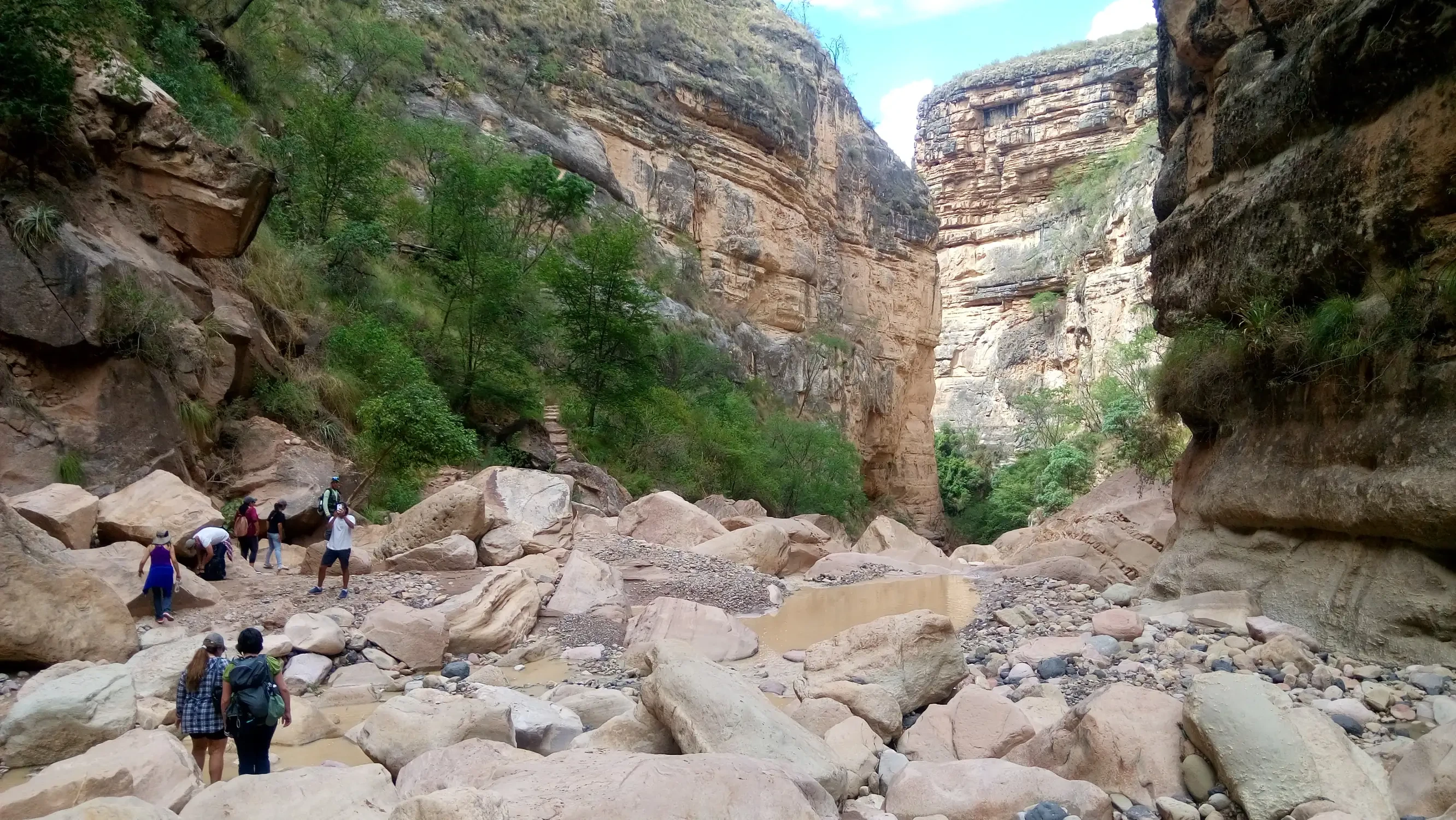
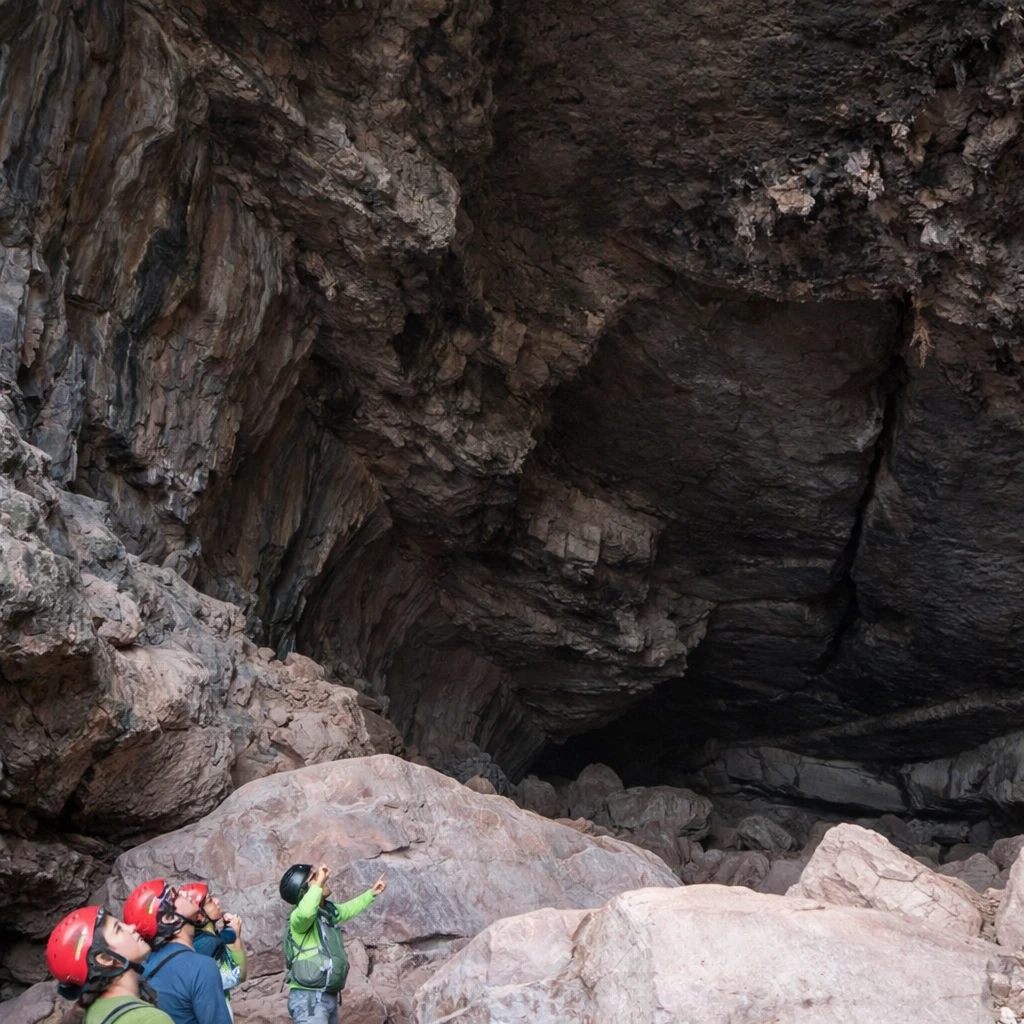
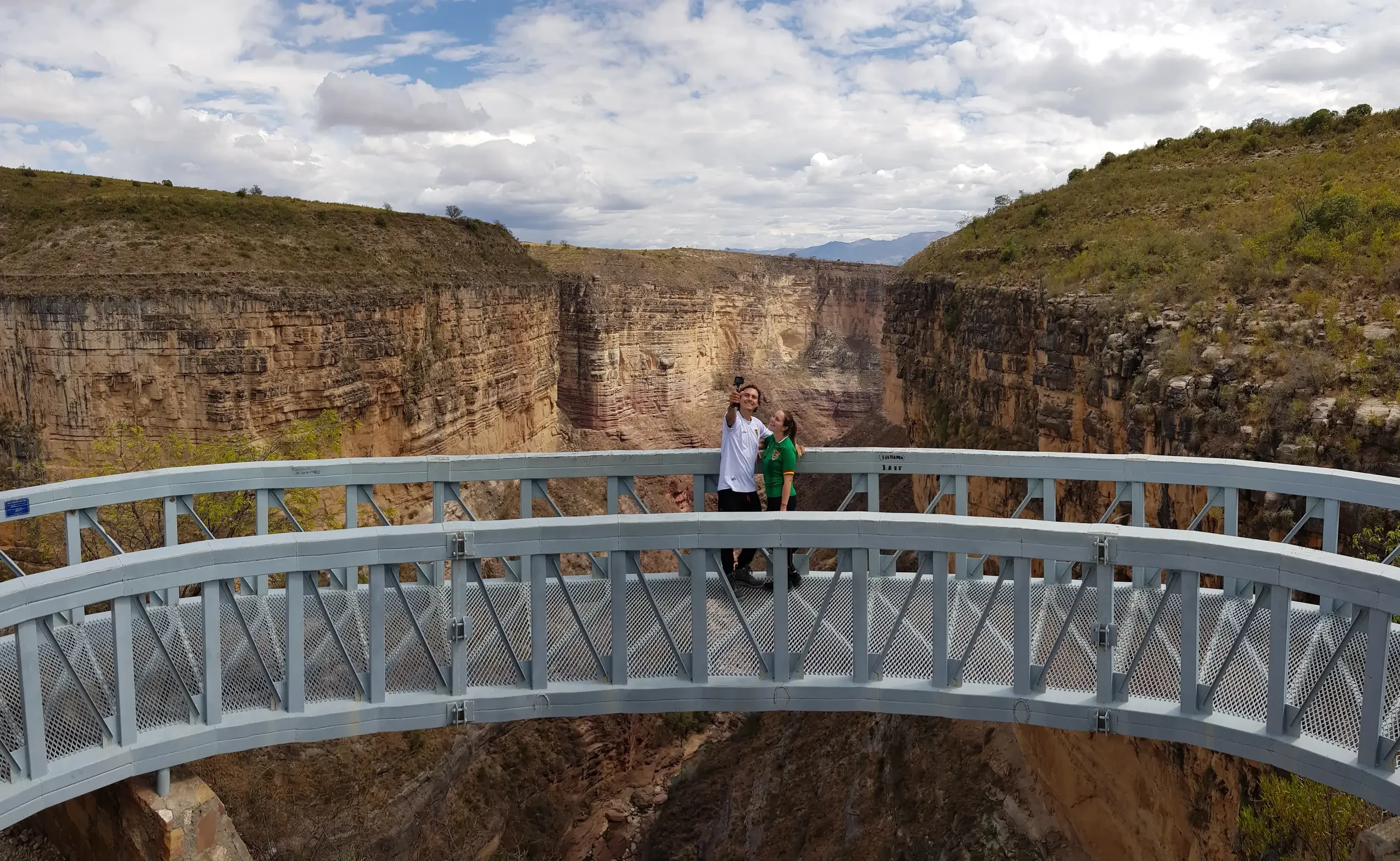
Torotoro National Park is famous for its namesake Canyon, which has an approximate extension of 9 km and a depth of up to 300 meters in some sectors. Within the Torotoro Canyon, El Vergel stands out—a humid area where a waterfall forms and a small oasis of vegetation, in notable contrast with the dry surroundings. Near Torotoro are the Umajalanta Cave and the City of Itas, fantastic formations for moderate-demand activities.
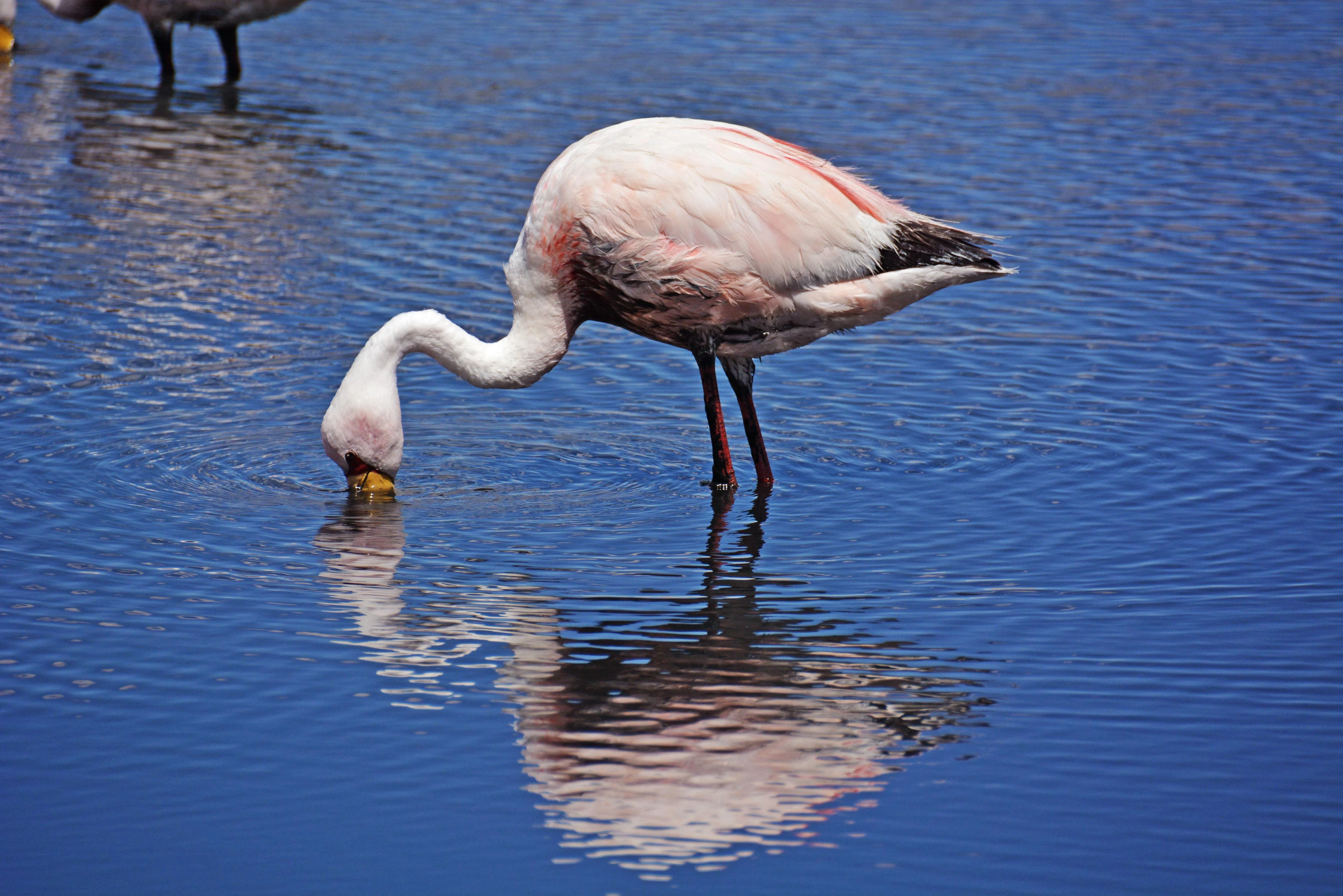
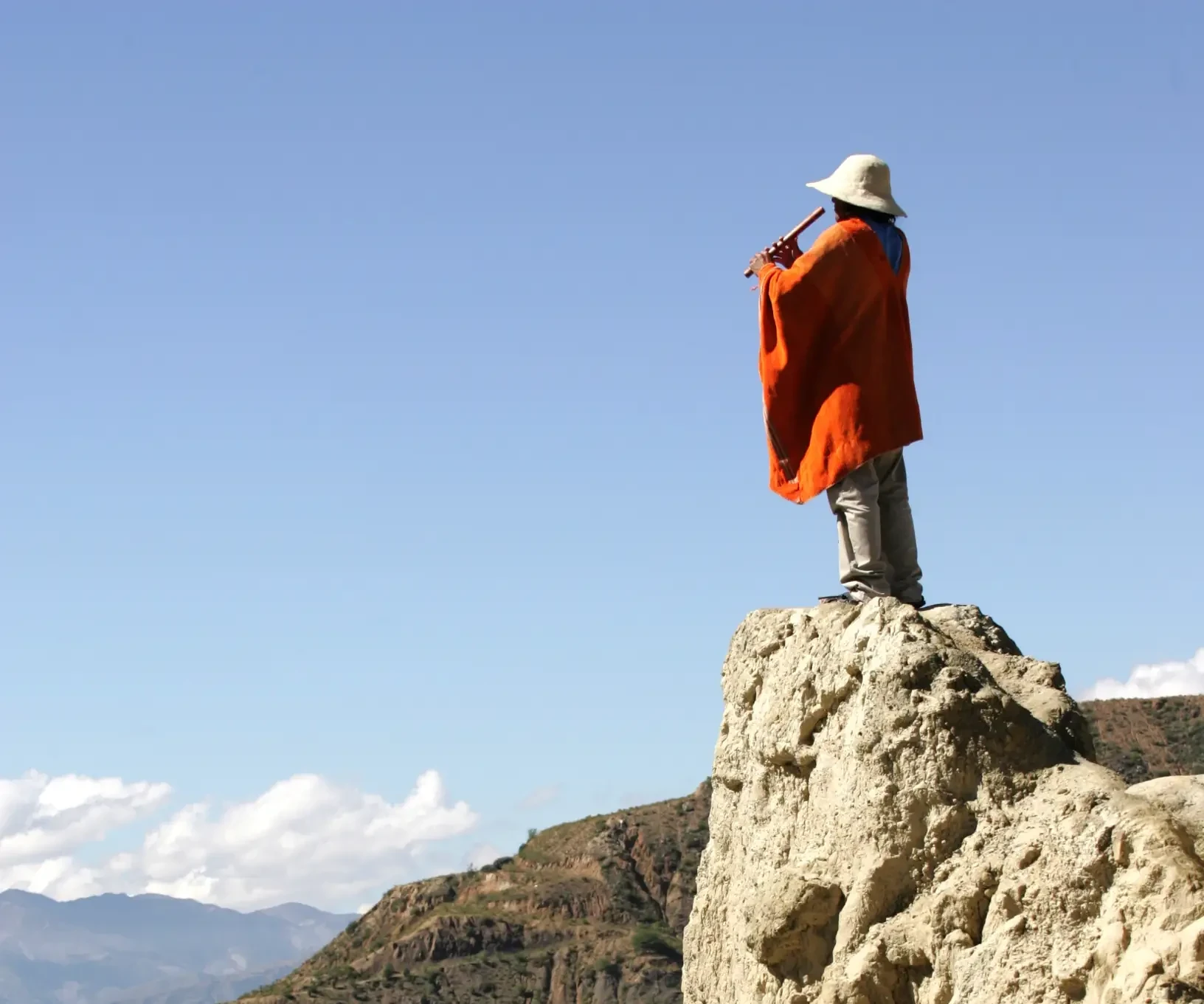
The Eduardo Abaroa Andean Fauna National Reserve, located at an altitude range of 4,200 to 5,400 meters, shelters colorful lagoons (Colorada, Verde) and characteristic fauna such as flamingos and vicuñas.
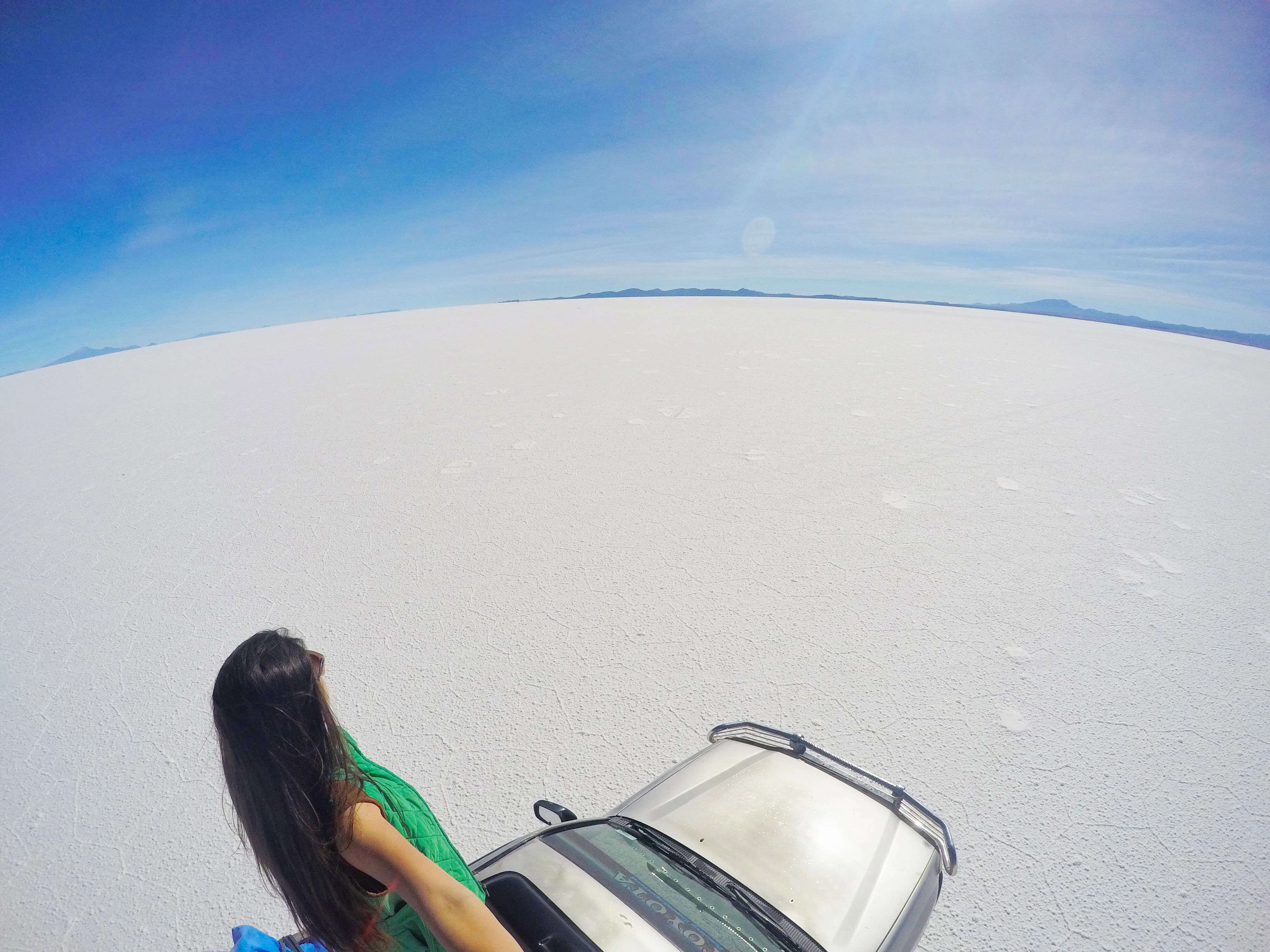
Although the Salar de Uyuni is not a national park, it constitutes the country's most iconic natural setting—a saline plain of 10,580 km² located at 3,650 m above sea level, which after rain transforms into the world's largest water mirror, popularly called "The Sky Mirror."
Itinerary
Day 2
La Paz ➔ Uyuni ➔ Uyuni Salt Flat
- Flight from La Paz to Uyuni.
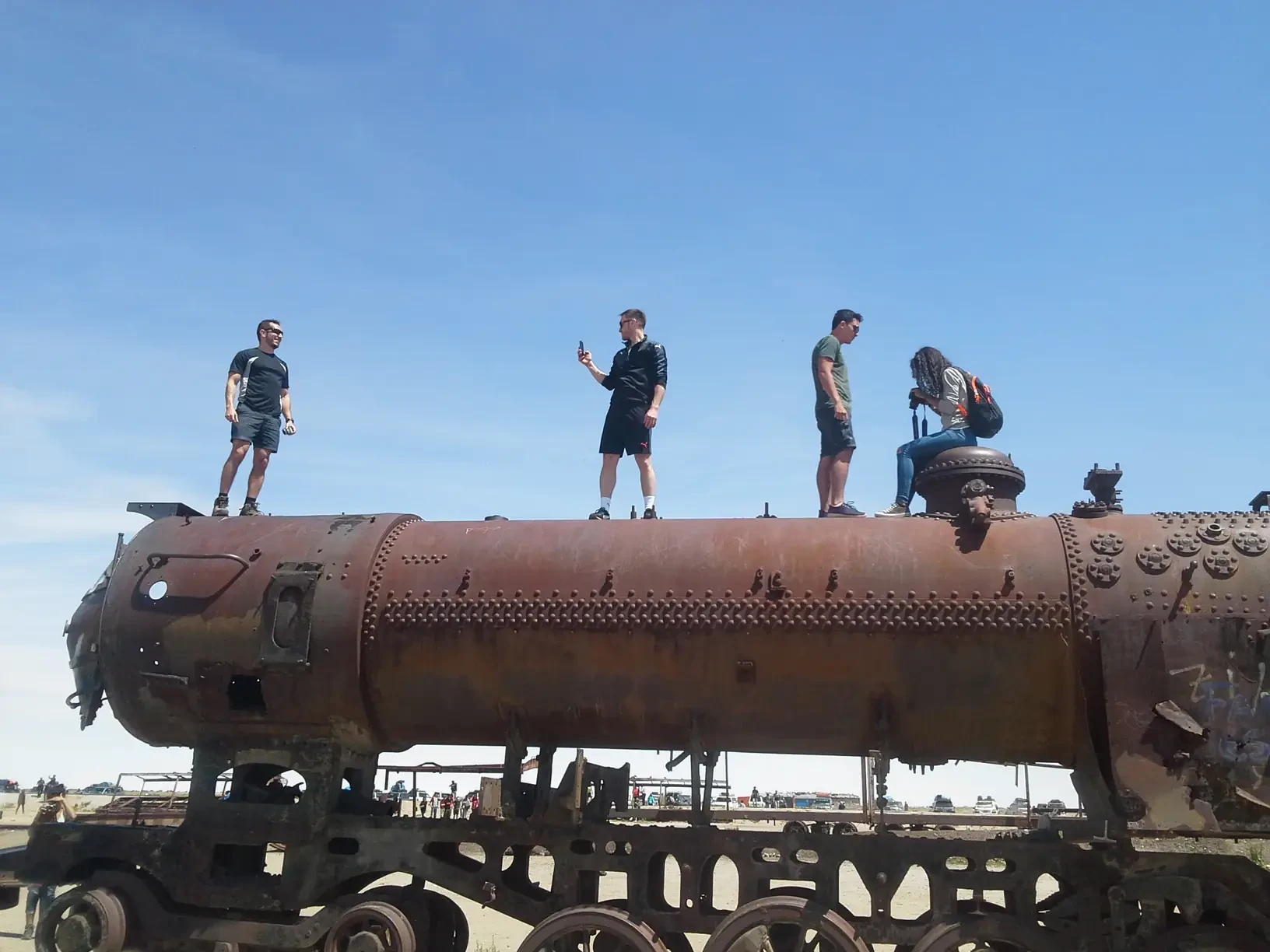
- The tour begins from the agreed point heading to the Train Cemetery, where old English and French locomotives evoke Bolivia's railway history.
- We then visit Colchani, a community dedicated to artisanal salt extraction.
- We enter the Uyuni Salt Flat to observe the Salt Eyes and the White Beach Hotel, built entirely with salt blocks.
- We continue toward Incahuasi Island, with its giant cacti and unique panoramic views.
- After time for photographs, we return to Uyuni enjoying a spectacular sunset over the salt flat.
Day 3
Uyuni ➔ Coquesa ➔ High Andean Jewels ➔ Stinky Lagoon
- We begin the tour heading south across Altiplano landscapes to a viewpoint from where the imposing Ollagüe Volcano can be seen, a natural border with Chile, still active and visible in the distance by its fumaroles.
- We continue toward the lagoons known as the Andean Jewels. Cañapa Lagoon, surrounded by regional fauna.
- We then visit Stinky Lagoon, habitat of flamingos and other wild birds.
- We finish at the Los Flamencos eco-lodge, at 4,500 m a.s.l., surrounded by multicolored landscapes.
Day 4
Stinky Lagoon ➔ Eduardo Avaroa Reserve ➔ Uyuni ➔ Sucre
- We leave early heading to the Eduardo Avaroa Andean Fauna National Reserve. Along the way we visit the Stone Tree, a unique formation sculpted by the wind in the Siloli Desert.
- We continue toward Sol de Mañana, a geothermal area with fumaroles and visible volcanic activity.
- The highlight is Colorada Lagoon, whose reddish waters—intense in winter—are due to the microalgae Dunaliella salina.
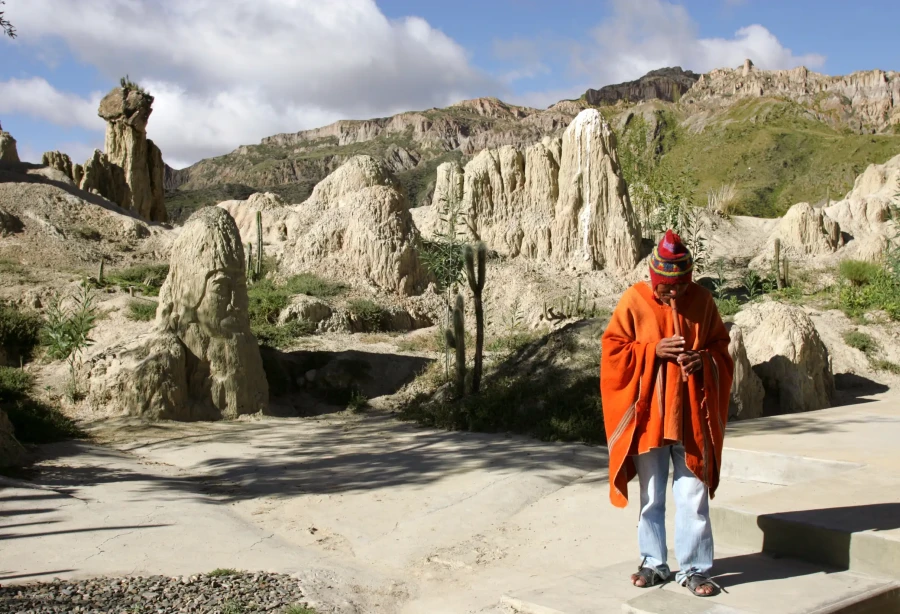
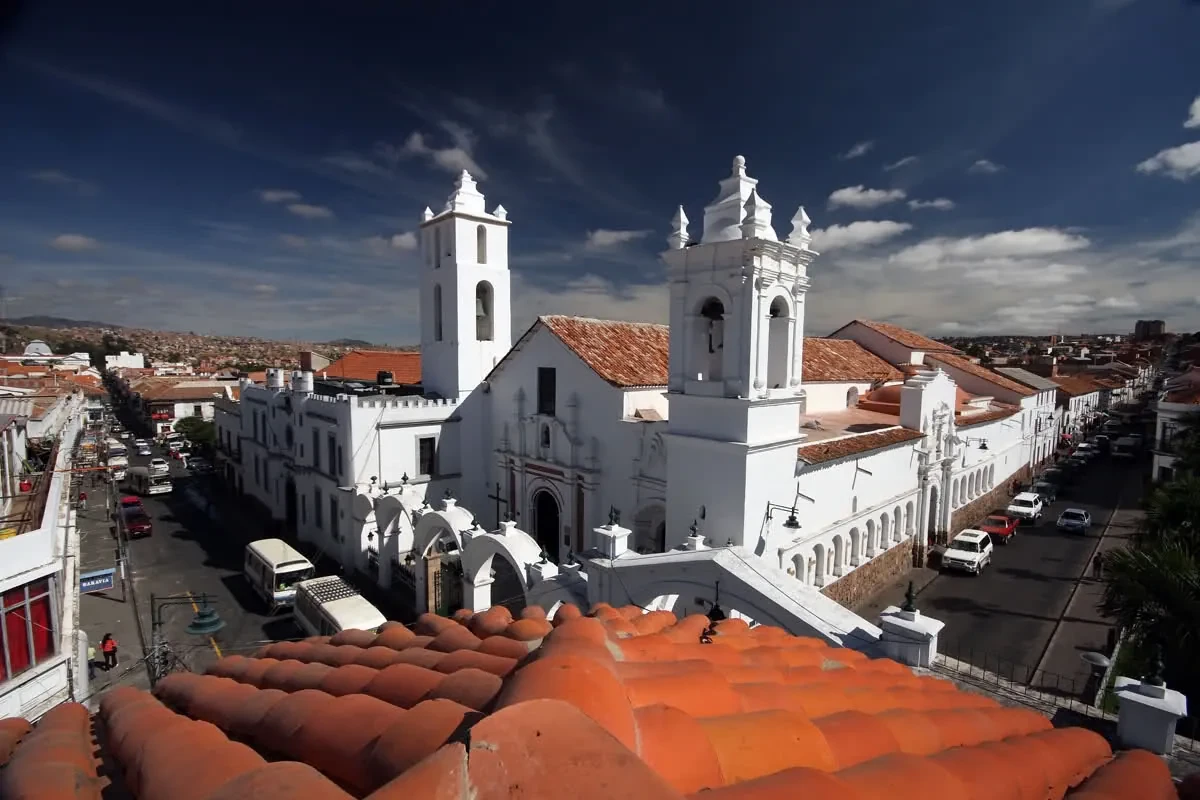
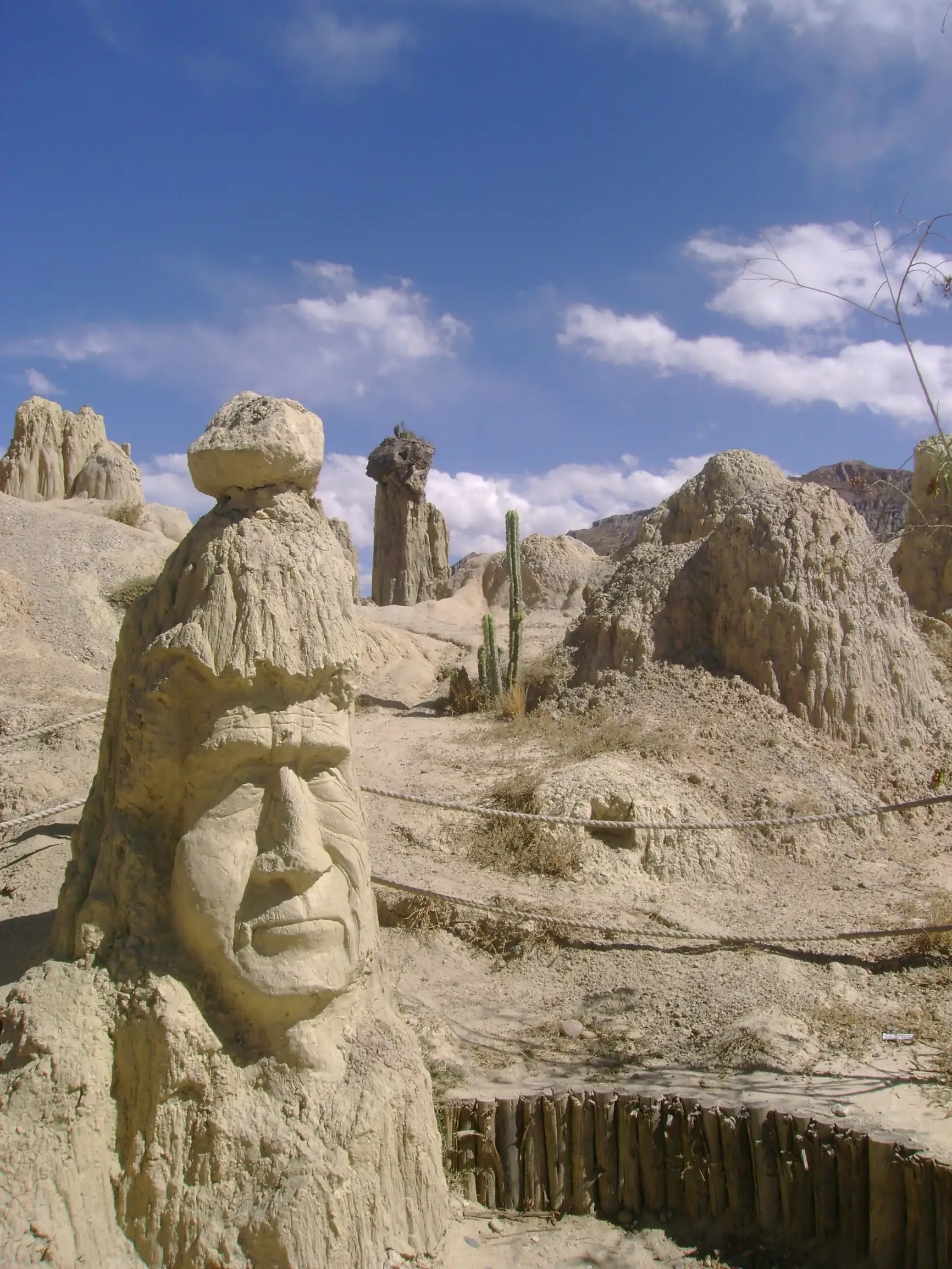
- After lunch, we begin the return to Uyuni, with stops at the Valley of Rocks and the colonial town of San Cristóbal.
- Overnight bus bound for the city of Sucre.
Day 6
Sucre ➔ Cochabamba ➔ Torotoro
- Early in the morning we head to the airport to take the first flight to Cochabamba, which lasts 45 minutes.
- From Cochabamba airport we will board our private vehicle heading to Torotoro, which is 6 hours away via dirt roads.
- We arrive in Torotoro for lunch.
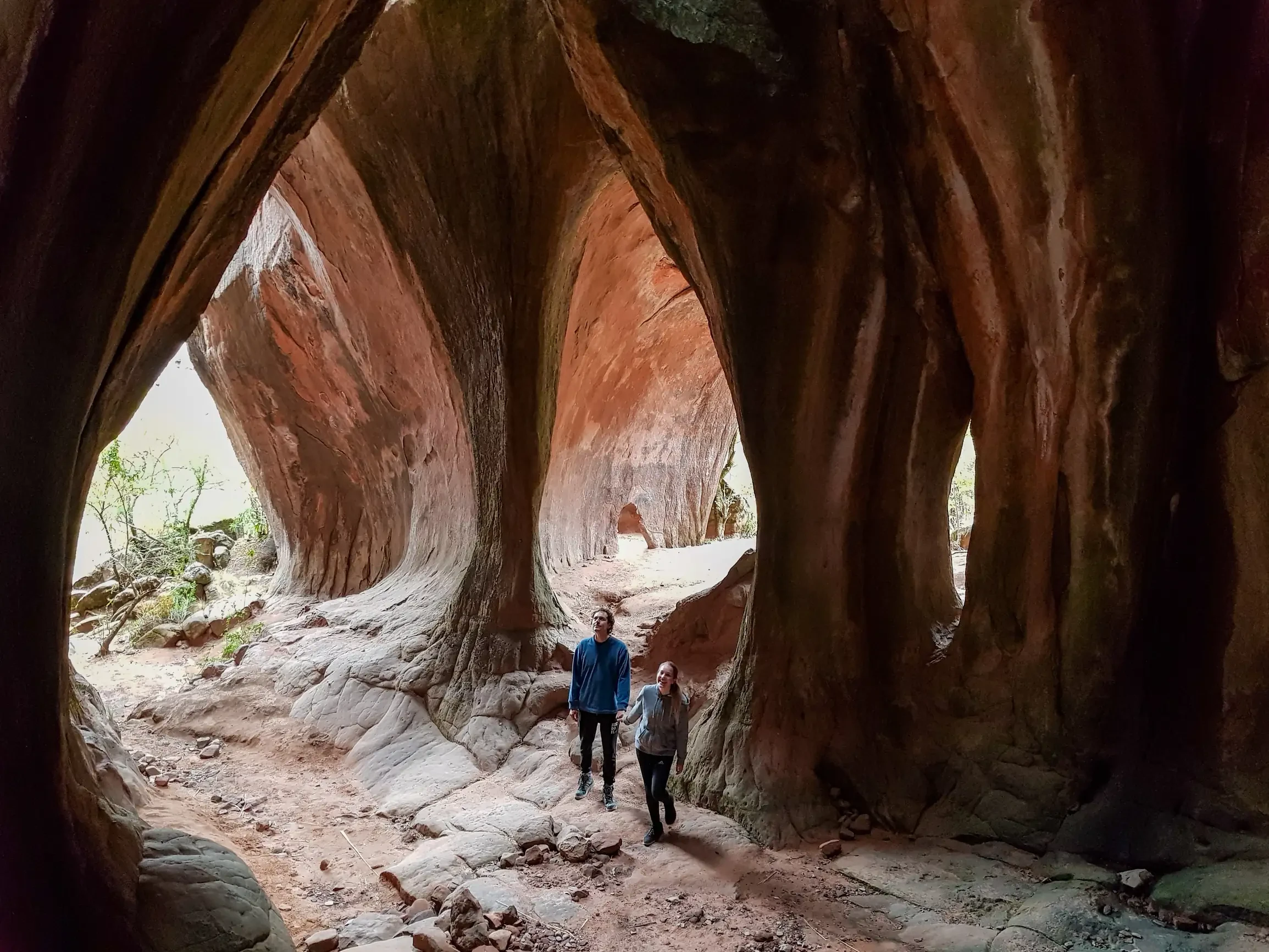
- In the afternoon we will visit the Umajalanta Cave, where stalactites, stalagmites and blind fish can be observed. We return to the hotel.
Day 7
Torotoro Canyon ➔ "El Vergel" Waterfalls
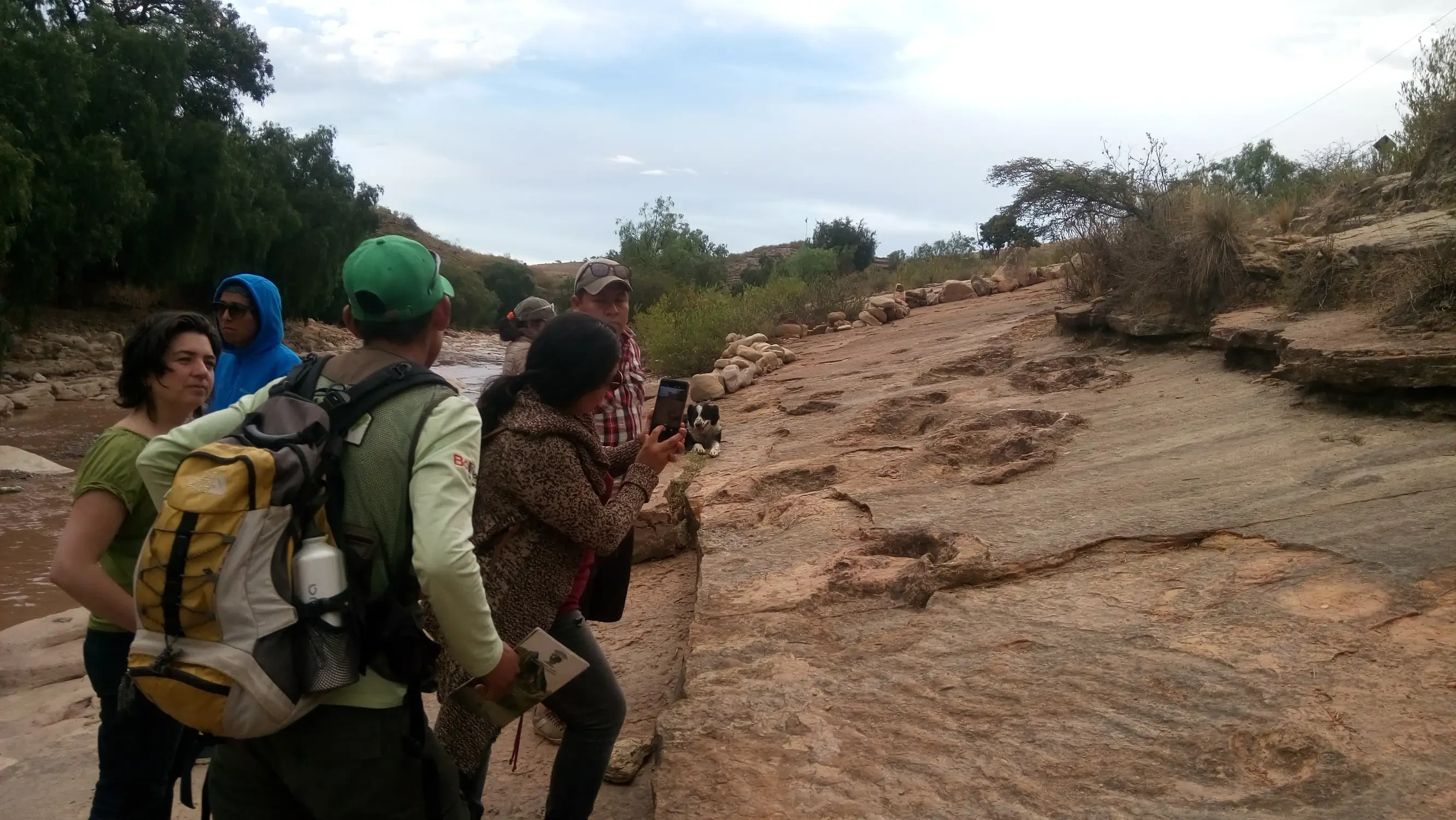
- After breakfast, we begin the visit by walking to Wayllas Hill, where hundreds of footprints from various dinosaur species can be observed.
- We will undertake a hike of approximately 7 km along the edge of Torotoro Canyon, where dinosaur tracks and very attractive rock formations can be seen along the way.
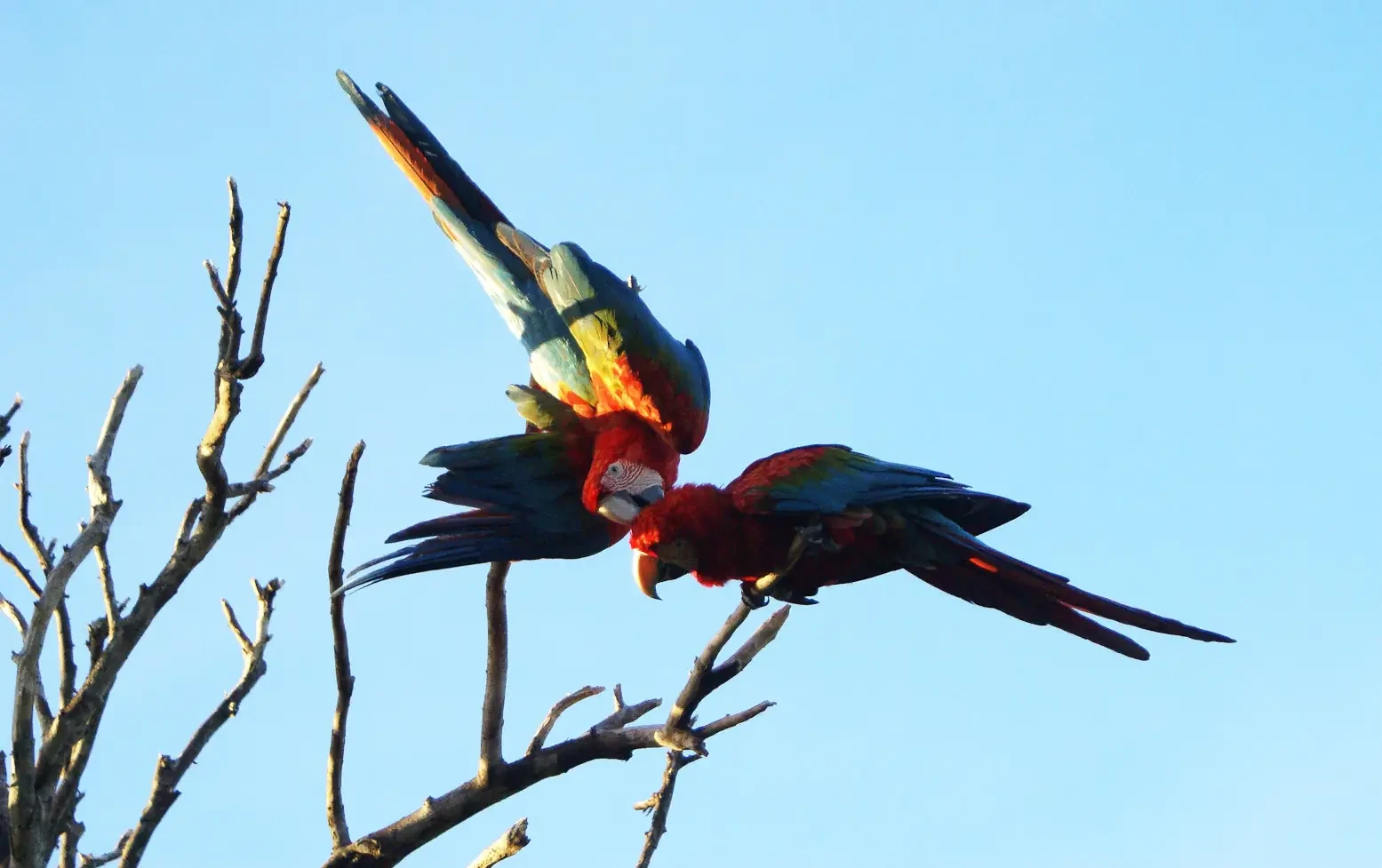
- A brief stop is made at the Hanging Viewpoint, from where red-fronted parrots can be spotted in the distance.
- We rest while enjoying a tasty snack and admiring the El Vergel waterfalls; at this spot, we can also enjoy a refreshing swim in crystal-clear waters.
- Return hike to Torotoro.
- Visit to the Pachamama Wasi Lithic Museum, featuring a vast collection of fossils and various types of lithic formations. Visit to the craft center where you can purchase beautiful and original handmade crafts.
Day 8
City of Itas ➔ Cochabamba
- After breakfast, we set off toward the City of Itas, where a series of rock formations can be observed; we are almost at 4,000 m above sea level. This "City" features labyrinths and stone galleries that form a kind of Gothic city, nestled in a mountain range of sedimentary rocks. There, the caves connect to each other through narrow passages, stone bridges, and some rock paintings can be found.
- After lunch we begin the return to Cochabamba, where we will arrive at approximately 20:30.
- Night accommodation in Cochabamba, where we will enjoy dinner in the gastronomic capital of Bolivia.
Day 10
Rurrenabaque ➔ Ecolodge Chalalán
- Start of the journey by outboard motorboat heading to the Ecolodge.
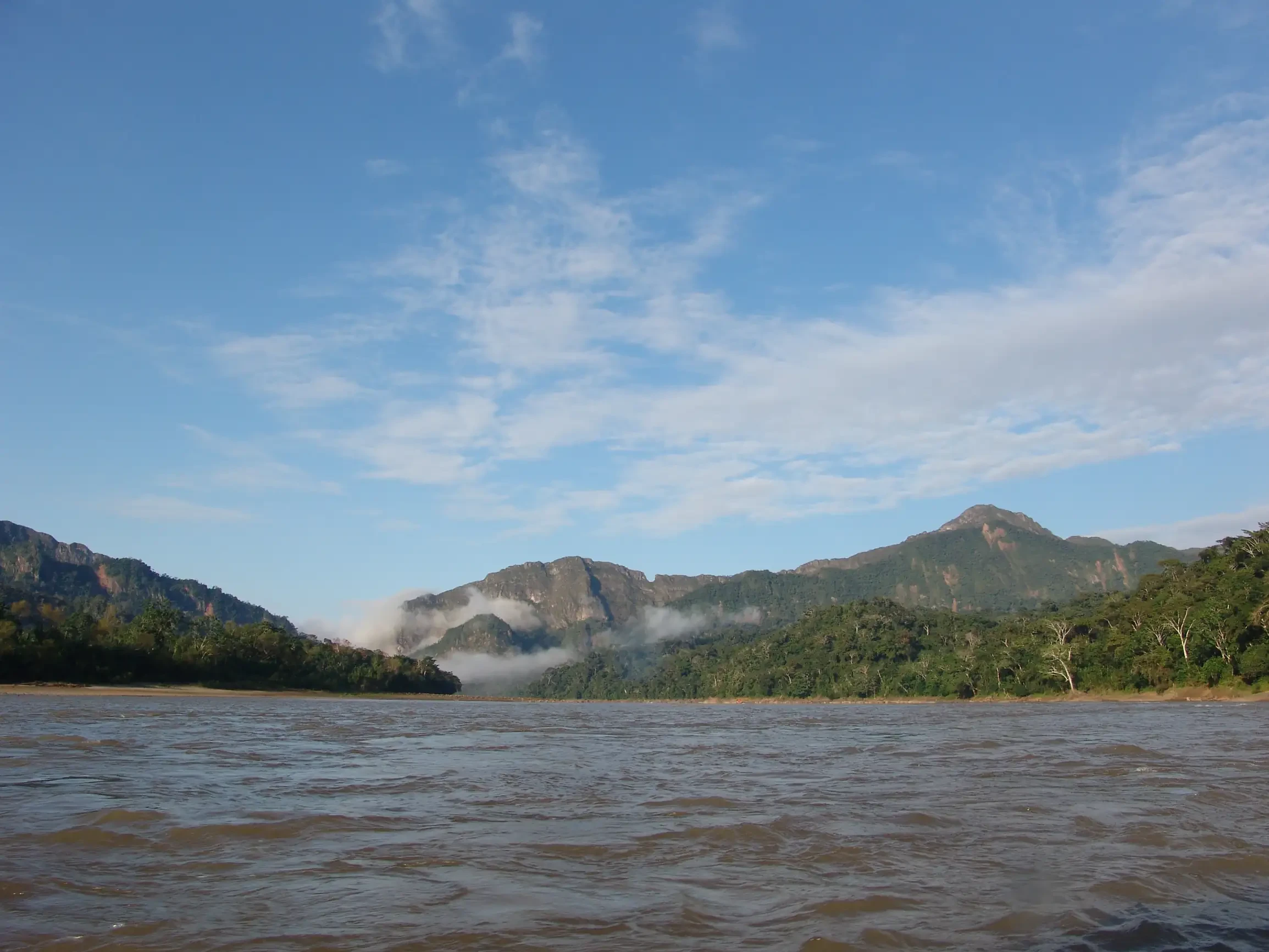
- The boat trip takes approximately 5½ hours, navigating the Beni and Tuichi rivers. The journey is an opportunity to enjoy and appreciate beautiful landscapes such as the Bala Canyon, tropical rainforest scenery, with the possibility of observing some animals and birds during the trip until reaching the Chalalán dock.
- Midway through the journey, we serve a box lunch or snack.
- From the main dock, we begin a 25-minute hike following the Jaguar Trail until reaching Chalalán Lake where the Ecolodge is located. Reception and welcome, and accommodation in respective rooms.
- Welcome lunch.
- In the afternoon, after lunch, we will have a short hike along one of our themed trails, where the local guide will interpret the tropical rainforest and its traditional use.
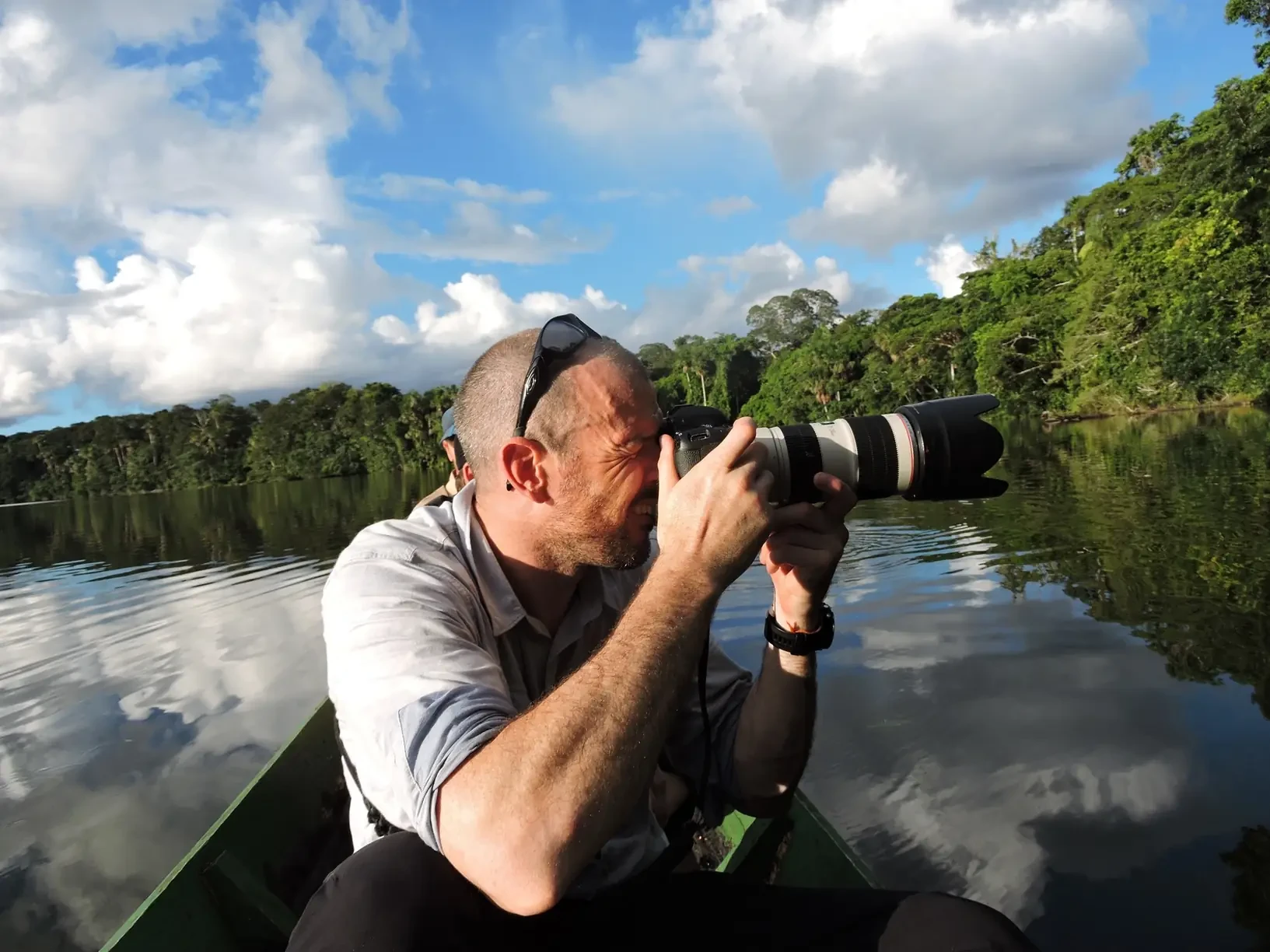
- Return by canoe to observe some species of monkeys and birds.
- Dinner.
- After dinner, we will start a short hike to observe nocturnal animal life, especially a variety of insects.
Day 11
Chalalán Ecolodge ➔ Madidi National Park
- Breakfast at the Ecolodge.
- Then we will have a guided hike of 3 to 4 hours along the Tapacaré trail or similar, where the local guide will deepen the interpretation of the rainforest and ecological processes.
- Return to the Lodge.
- Lunch.
- In the afternoon, after a short rest (siesta), we will visit the viewpoint from where you can observe the beautiful landscape of Chalalán Lake and the extensive primary tropical rainforest of Madidi National Park.
- Talk about the history of the community, the Chalalán project, and the creation of Madidi Park.
- Return.
- Dinner; dinner will be typical local food served buffet-style.
- Canoe ride, special activity to observe the impressive glow of caiman eyes and other animals.
- Traditional night (Quechua – Tacana) where our local guides will explain the customs, uses, and rituals of the Uchupiamonas indigenous people, where you can taste a traditional local drink, enjoy local music, and dance with the people of our San José de Uchupiamonas community.
Day 12
Madidi National Park ➔ Rurrenabaque ➔ La Paz
- Breakfast at the Ecolodge.
- Very early we will have a short hike along one of our trails where you will have your last opportunity to observe some animals and birds.
- Return to the Lodge.
- Lunch.
- After lunch, we will walk to Chalalán dock to board the motorboat returning to Rurrenabaque.
- During the journey it is recommended to always be alert along the way to observe some animals.
- The return journey takes only 3 hours.
- Arrival in Rurrenabaque and transfer to the airport for passengers with return flights to La Paz.
Important notes
Availability:
✓ Tours are available every day of the week.
Requirements:
✓ You may be asked to present identification, such as your passport.
Important data:
✓ La Paz is located at 3,600 m above sea level, so an acclimatization period may be required.
Health information:
✓ Make sure you are in good health and have sufficient stamina to participate without difficulty.
Our recommendation:
Additional Data
➔ Torotoro National Park
A singular curiosity of the Bolivian national park network is that Torotoro National Park houses the largest dinosaur footprint site on the planet, with more than 16,600 fossilized impressions covering an area of ≈ 7,500 m² and recording more than 1,300 trackways, including theropod footprints, tail drag marks, and swimming traces. This world record makes Torotoro an outdoor laboratory for paleontologists studying the behavior and distribution of Late Cretaceous dinosaurs, offering visitors a unique window into the prehistoric life of the Bolivian Andes.
Includes
Not Included
Tripadvisor


Request a quote
National Parks of Bolivia
14 days and 13 nights