

Do you want to come to Bolivia? Find all the tips here
About Bolivia
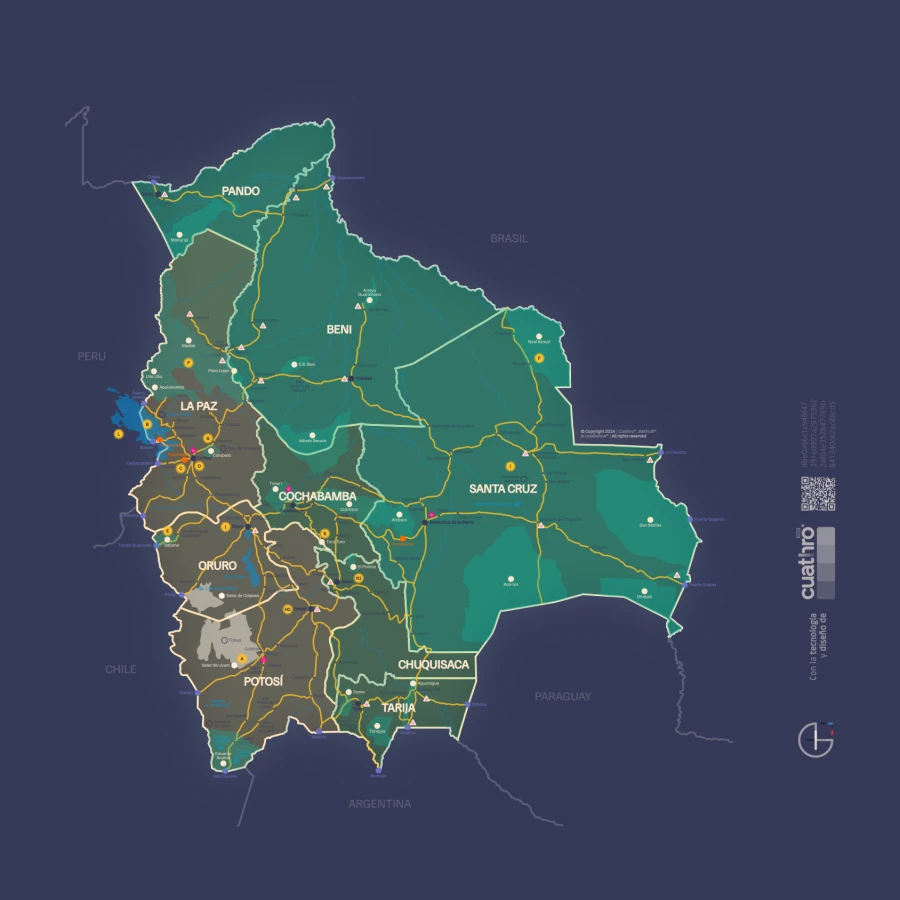
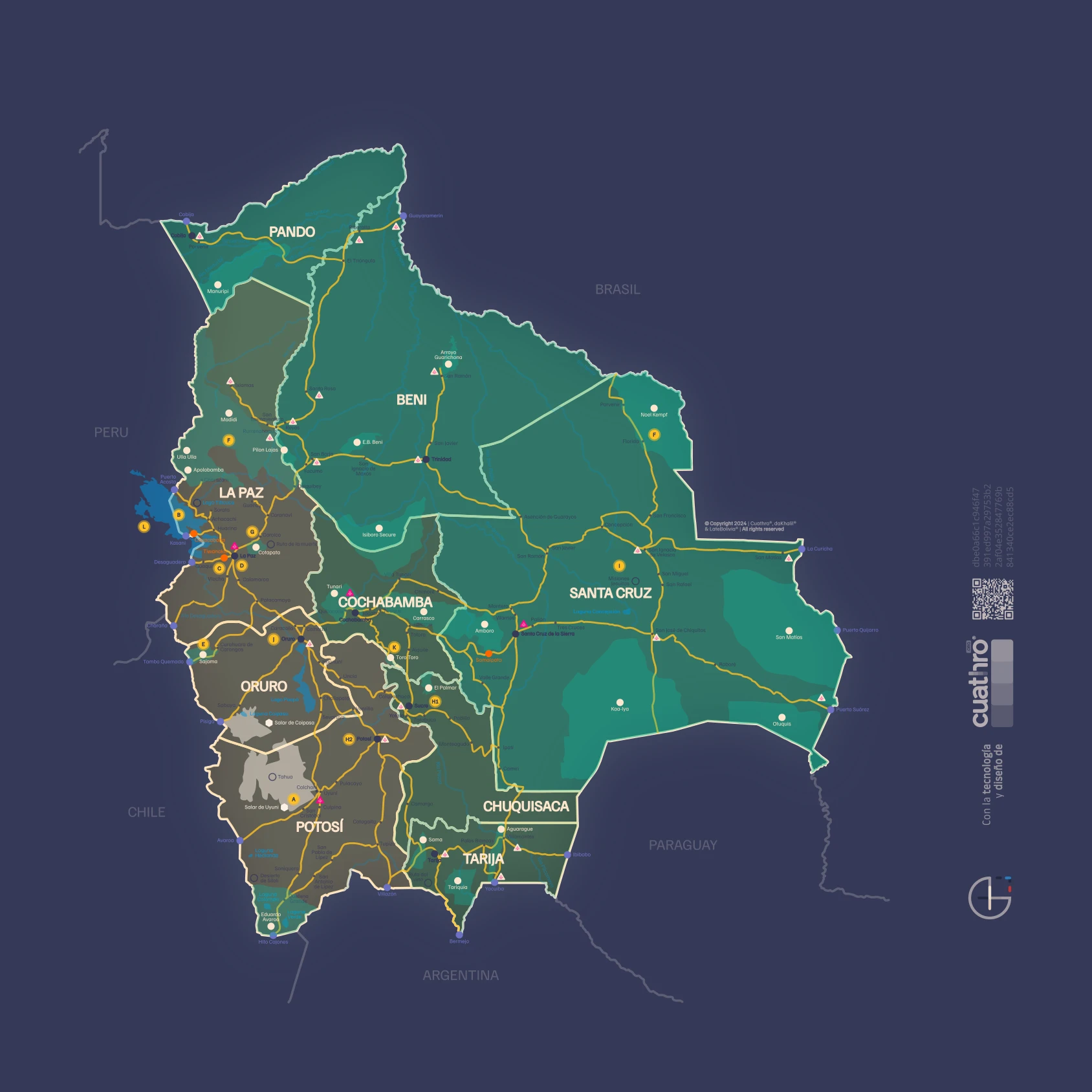
Bolivia, located in the heart of South America, is a country of striking contrasts and unmatched beauty. With an area of 1,098,000 km² and a population of 12 million inhabitants, the territory is divided into nine departments that host one of the greatest altitudinal variations on the planet: from the 200 m asl of the lower Amazon to the 6,542 meters of height of Nevado Sajama, the country's highest summit.
Its most impressive landscapes range from the immensity of the Salar de Uyuni (the largest salt flat on the planet), through the Andes mountain range with peaks like Illimani (6,438 m asl) and Huayna Potosí (6,088 m asl), the inter-Andean valleys, and the eastern lowlands that extend to the border with Brazil and house the Bolivian Amazon basin.
Bolivia is a country of joy and cultural diversity, as can be experienced in striking events like the Carnival of Oruro, the Gran Poder of La Paz, or the International Festival of Renaissance and Baroque Music of Chiquitos. Colonial architecture is also preserved in cities like Sucre and Potosí (UNESCO World Heritage Sites).
Regarding landscapes and history, the country has impressive tourist destinations such as: Salar de Uyuni, Lake Titicaca, Tiwanaku, Madidi National Park, Samaipata, and the Jesuit Missions, which testify to the historical and natural importance of its ecosystems.
Adventure is also an interesting option, due to the presence of the Andes Mountains, which allows for mountaineering and trekking activities ranging from basic difficulty to the highest demands to challenge the most experienced. Alongside these activities is also the Death Road, the mountain biking route that reaches the Yungas area in La Paz.
Gastronomic activities such as the Wine and Singani Route, the Coffee Route, and visits to internationally recognized restaurants complement the trip to Bolivia and make it a sensory experience of the "Heart of South America".
Do you want to come to Bolivia?
➔ Entry and Documentation
It is essential to have a valid passport. Depending on nationality, some travelers require a tourist visa; it is recommended to confirm requirements at the consulate or embassy of Bolivia before the trip. Those visiting Amazonian areas like Rurrenabaque, Madidi, or Trinidad must present an international vaccination certificate against yellow fever.
➔ Health and Wellness
Altitude is one of the most important factors to consider. Cities like La Paz (3,600 m), Sucre (2,810 m), and Uyuni (3,650 m) are located at great heights. It is advised to acclimatize gradually, drink coca tea, hydrate frequently, and avoid physical exertion or heavy meals during the first days. Bottled water should always be consumed, and raw street food avoided to prevent digestive discomfort.
➔ Transport and Connectivity
Internal flights are frequent and last between 30 and 50 minutes between main cities. The national airline BOA (Boliviana de Aviación) connects Santa Cruz with Sucre, Uyuni, and La Paz. Most hotels offer Wi-Fi, although the connection may be limited in rural areas and during excursions. Electricity is 220 V and plugs are type A and C, so it is advisable to bring a universal adapter.
➔ Safety
Bolivia is a safe country for travelers. La Paz is quiet in tourist areas, although caution is recommended in markets and terminals. Santa Cruz, the largest city, is dynamic and safe in central and hotel areas. Sucre is a very peaceful destination and ideal for acclimatizing, while Uyuni is small and welcoming. As in other Latin American countries, protests or road blockades may occur, so it is advisable to stay informed.
➔ Money
The official currency is the boliviano (BOB). There are exchange houses in main cities like La Paz, Santa Cruz, Sucre, and Uyuni. Credit cards are accepted in hotels, restaurants, supermarkets, and craft shops in urban areas. ATMs are also available, but in rural areas it is advisable to carry additional cash.
➔ Culture and Customs
The official language is Spanish, although indigenous languages like Quechua and Aymara are widely spoken. English is not common outside tourist circuits, so learning some basic phrases in Spanish is very useful. Bolivia stands out for its cultural heritage: the Carnival of Oruro, colonial cities like Potosí and Sucre, and sacred sites around Lake Titicaca.
♥️ Final Tip
Bolivia is a destination that requires openness and a curious spirit. Although the infrastructure may be simpler than in other places, the reward lies in the authenticity of its landscapes and the warmth of its people. With proper preparation and respect for local customs, your trip will become an inspiring experience through one of the most fascinating countries in South America.
Check our Bolivia travel preparation guide
Click on the following button

Tripadvisor