





Andean culture and wonderful landscapes
Iconic Destinations
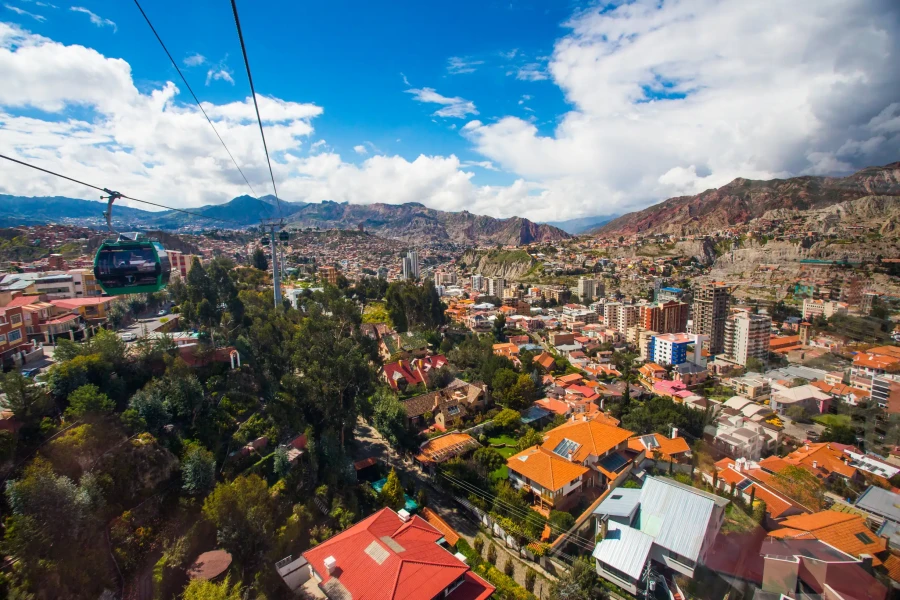
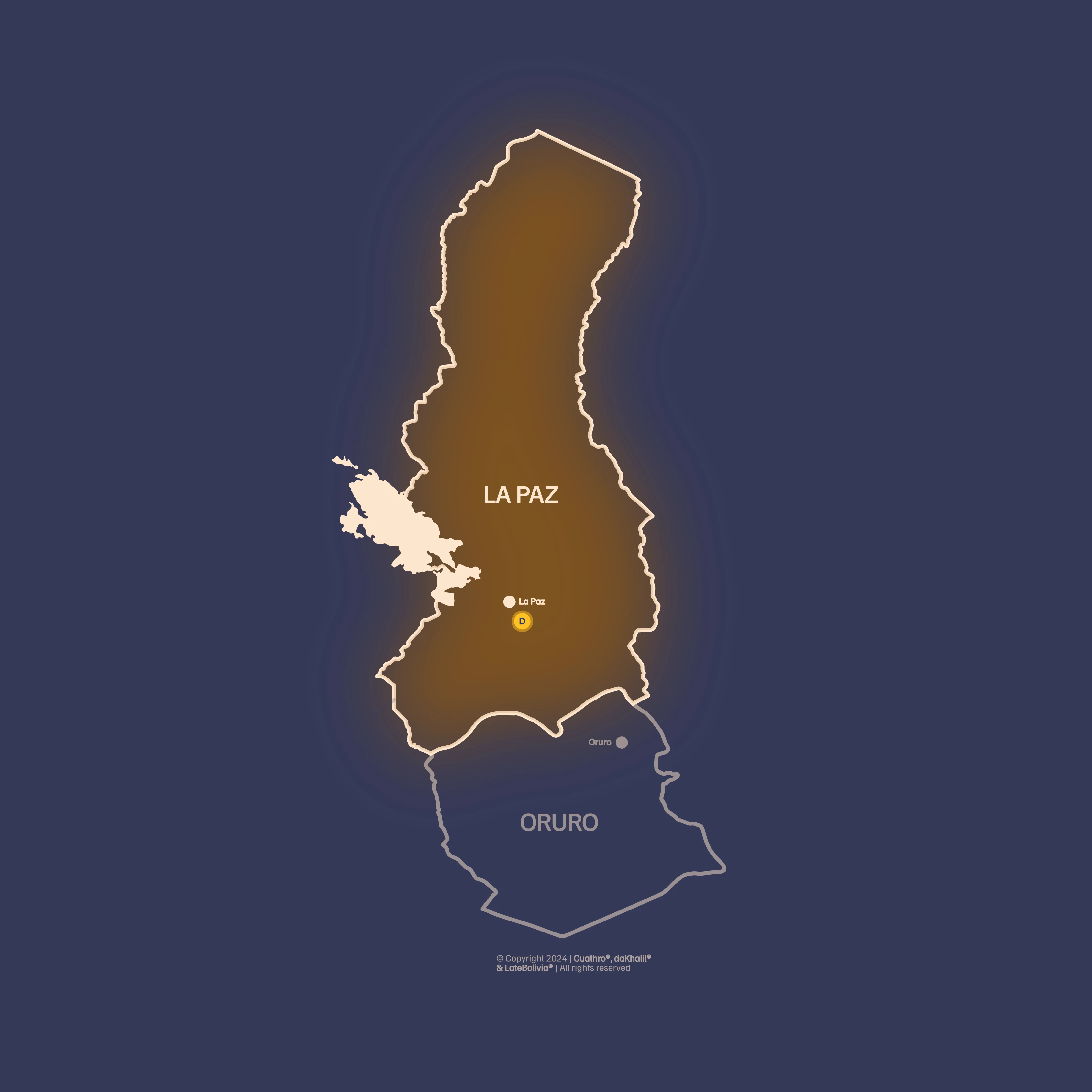
La Paz, the administrative capital of Bolivia, sits at approximately 3,650 m above sea level and combines an impressive mountainous setting with vibrant urban life; a short distance to the southeast lies the archaeological site of Tiwanaku, declared a World Heritage Site by UNESCO, located at 3,850 m altitude on the southern shore of Lake Titicaca and famous for its monumental stone structures such as the Gate of the Sun; Lake Titicaca itself, considered the highest navigable lake in the world with an elevation of 3,812 m and a surface area exceeding 8,300 km², separates Bolivia and Peru and houses traditional communities such as the Uros; descending via the famous "Death Road" leads to Coroico, the main town of the Yungas, known for its warm climate, spectacular valley views, and easy access to waterfalls and mountain biking routes that make the area an adventure and relaxation destination.
Itinerary
Day 1
➔ La Paz
- Reception at the airport, transfer to your hotel.
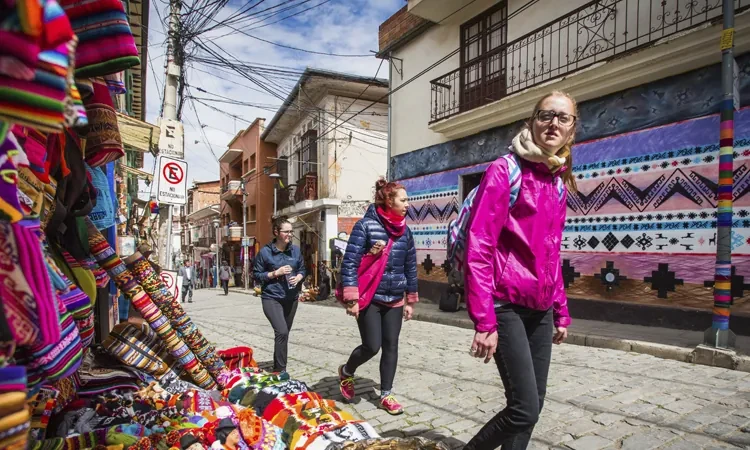
- Tour through the historic center of the city; we will walk through typical markets and the famous "Witches' Market."
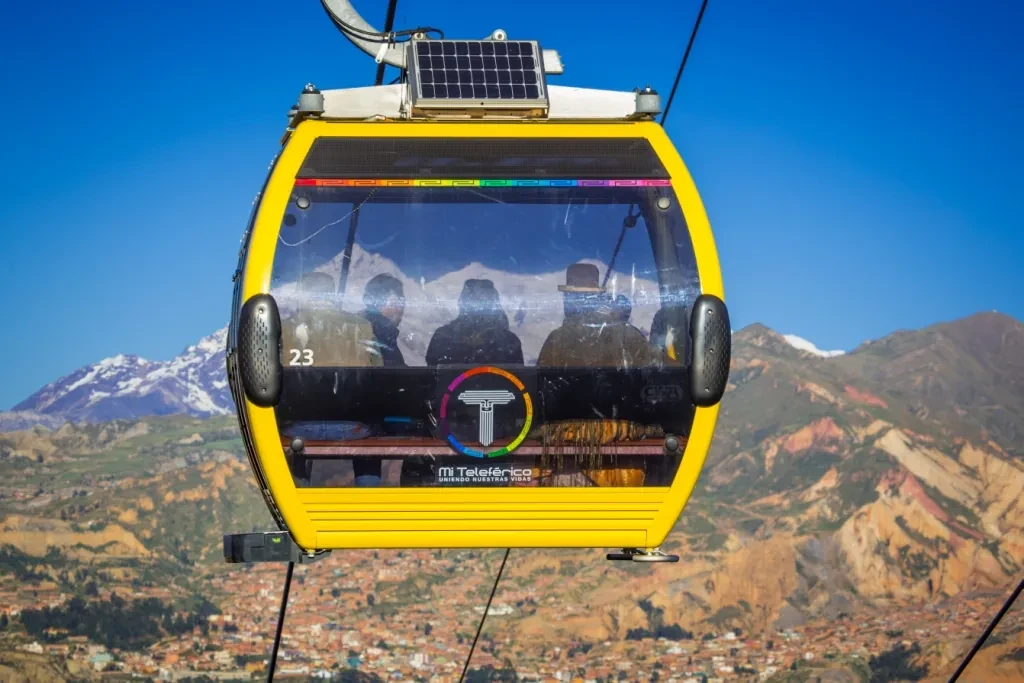
- We will have fantastic panoramic views from the city's famous cable car and the Valley of the Moon. Lunch at one of the city's most famous and innovative restaurants, at your choice:
- Gustu
- Manq´a
- Ali Pacha
Day 2
La Paz ➔ Tiwanaku ➔ La Paz
- We begin the journey through the immense Altiplano; our destination is the town of Tiwanaku, where the country's most important archaeological complex is located.
- We will visit the local museum to have an introduction to the Tiwanakota heritage.
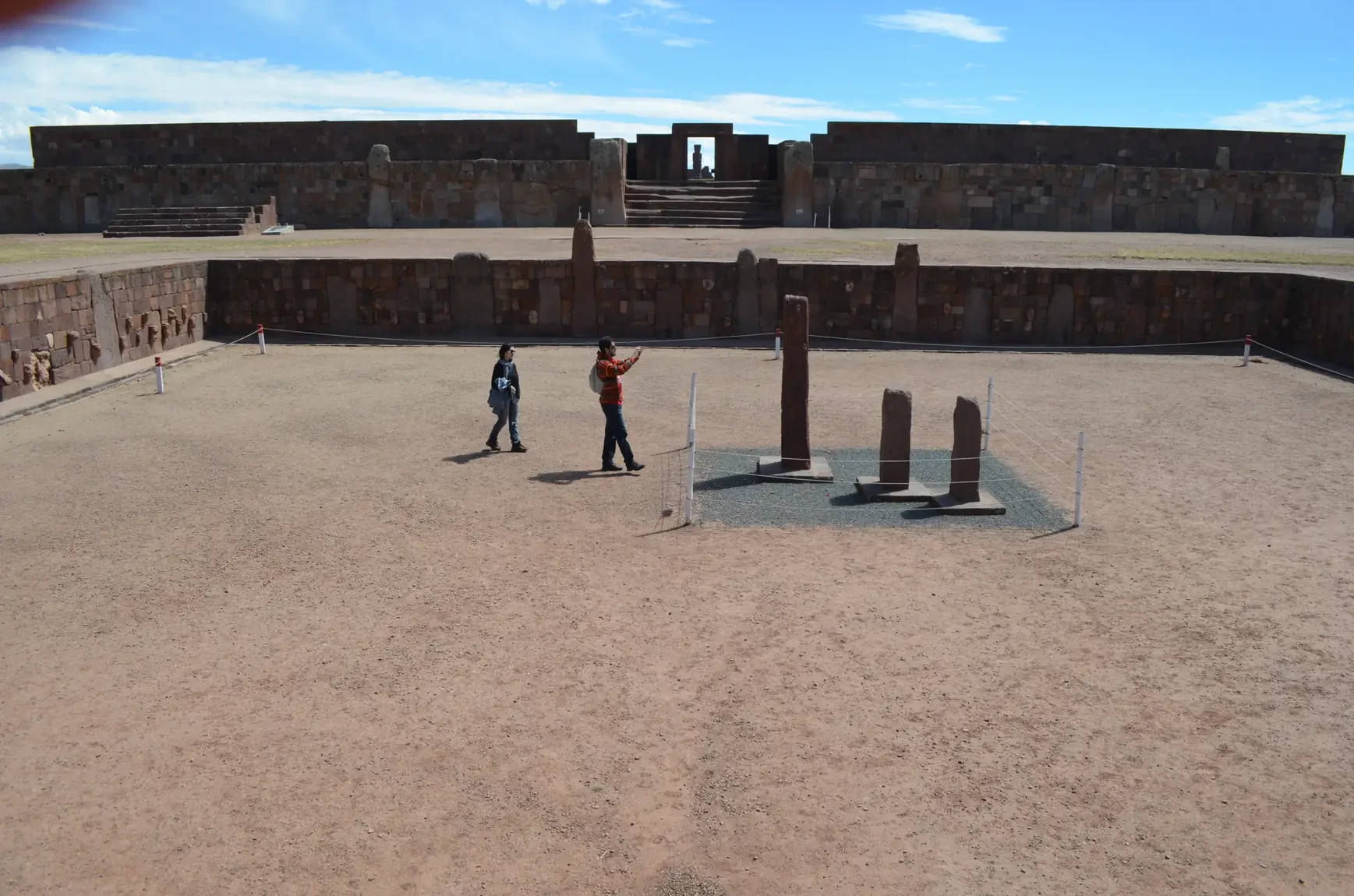
- Subsequently, we will visit the archaeological site whose main attraction is the Gate of the Sun, one of the most important archaeological pieces in the American continent.
- We will also visit other ruins of great pre-Inca architectural richness such as: the Kalasasaya Temple, the Semi-subterranean Temple, and the Akapana Pyramid.
- Return to the city of La Paz.
Day 3
La Paz ➔ Copacabana ➔ Island of the Sun ➔ La Paz
- We leave very early from La Paz, through the narrowest section of Lake Titicaca, the Tiquina Strait, arriving at Copacabana, where we again take a tourist boat to travel to Isla del Sol.
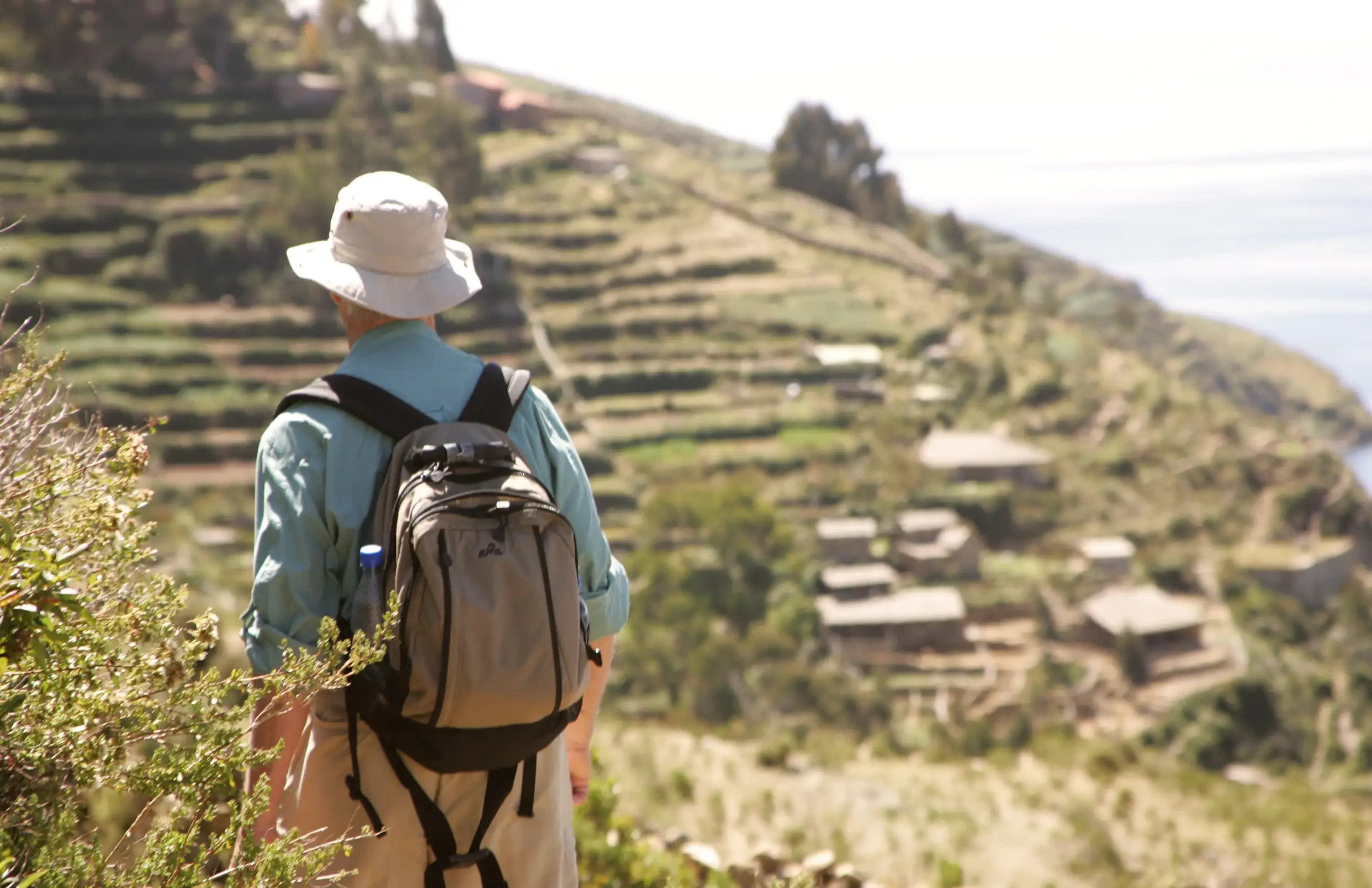
- On the island we will visit "The Inca's Staircase" and "The Fountain of 3 Waters"; tradition dictates that those who drink from its waters will have eternal life.
- After taking some photographs of the lake and the spectacular view of the Royal Cordillera, we return to Copacabana and visit the Sanctuary of the Virgin of Copacabana, then return to La Paz.
- Return to the hotel between 22:00 and 23:00 hours.
Extension to Uyuni Salt Flats
Day 4
➔ La Paz ➔ Uyuni
- 21:00 Night bus to Uyuni.
Day 5
Uyuni ➔ Salar de Uyuni ➔ Uyuni
- Arrival by bus at 6:00 am. We will pick you up from the bus stop to take you to the center of the town of Uyuni, so you can have breakfast on your own.
- At 10:30, start of the tour at a meeting point.
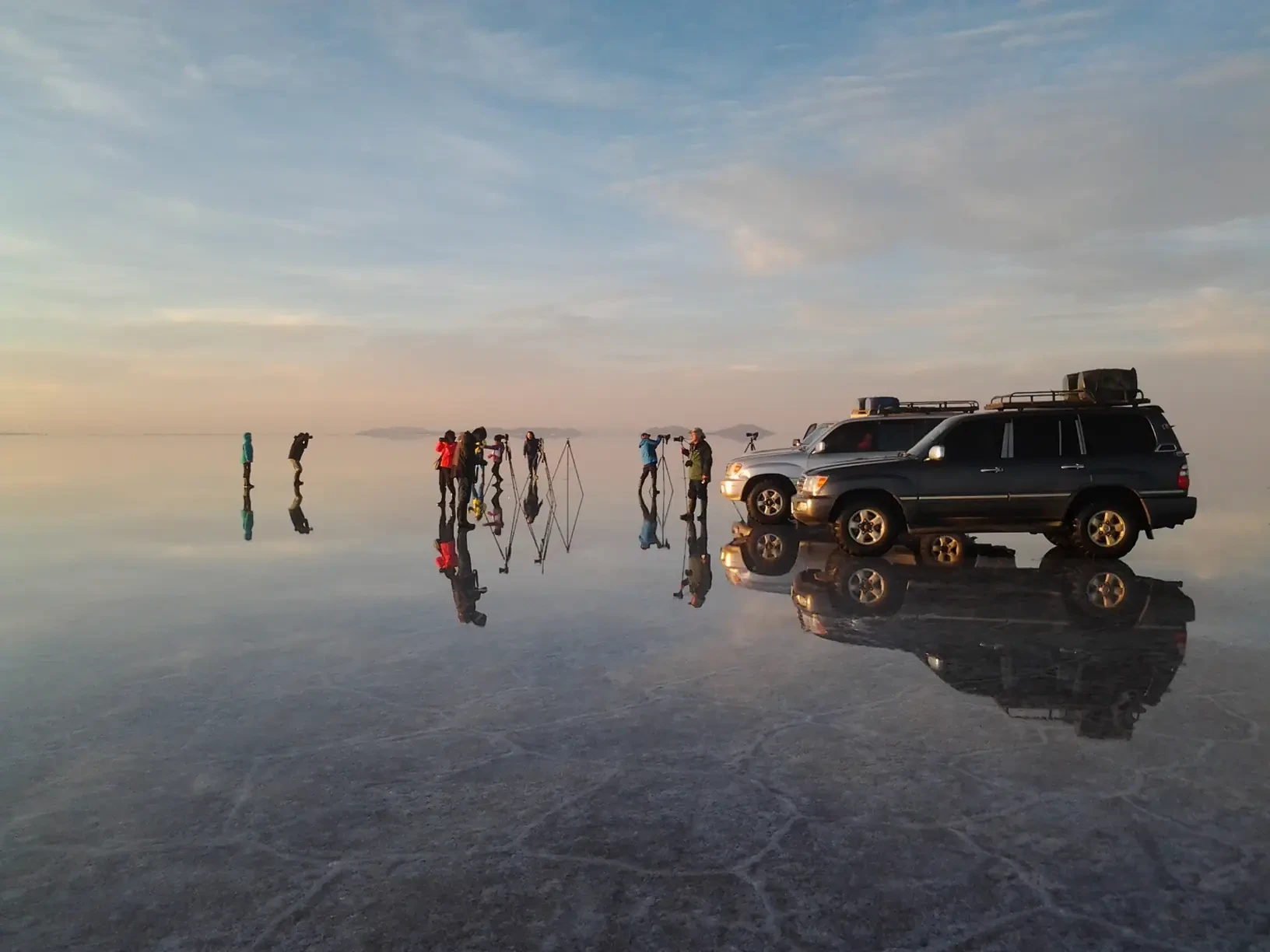
- Full-day visit of the magnificent Salar de Uyuni, Incahuasi Island, Colchani, and Train Cemetery, finishing with sunset on the Salar.
- 21:00 Return bus to La Paz.
Extension to Trinidad: Amazon and The Bufeo Route
Day 4
➔ La Paz ➔ Trinidad
- Departure by flight from La Paz to the city of Trinidad; the journey takes 50 minutes. Trinidad is the capital of the Amazonian department of Beni.
- Reception at the airport and a tour of the city.
Day 5
Trinidad ➔ Bufeo Route ➔ Trinidad
- Departure from your hotel in Trinidad by private land transport to the town of Puerto Ballivián, 8 km from Trinidad. This village is located on the banks of the Ibare River and serves as the gateway to the Ibare-Mamoré Protected Area.
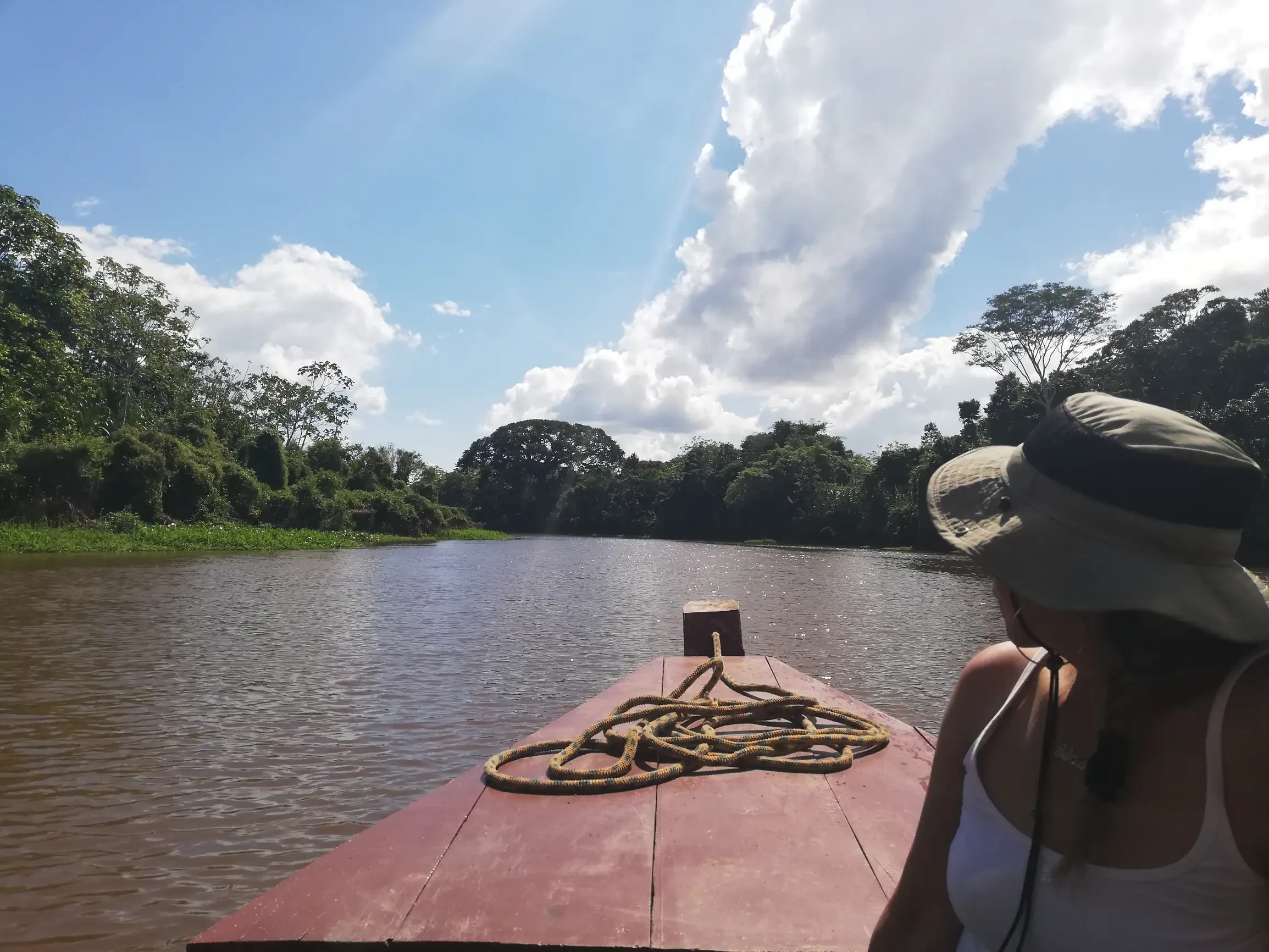
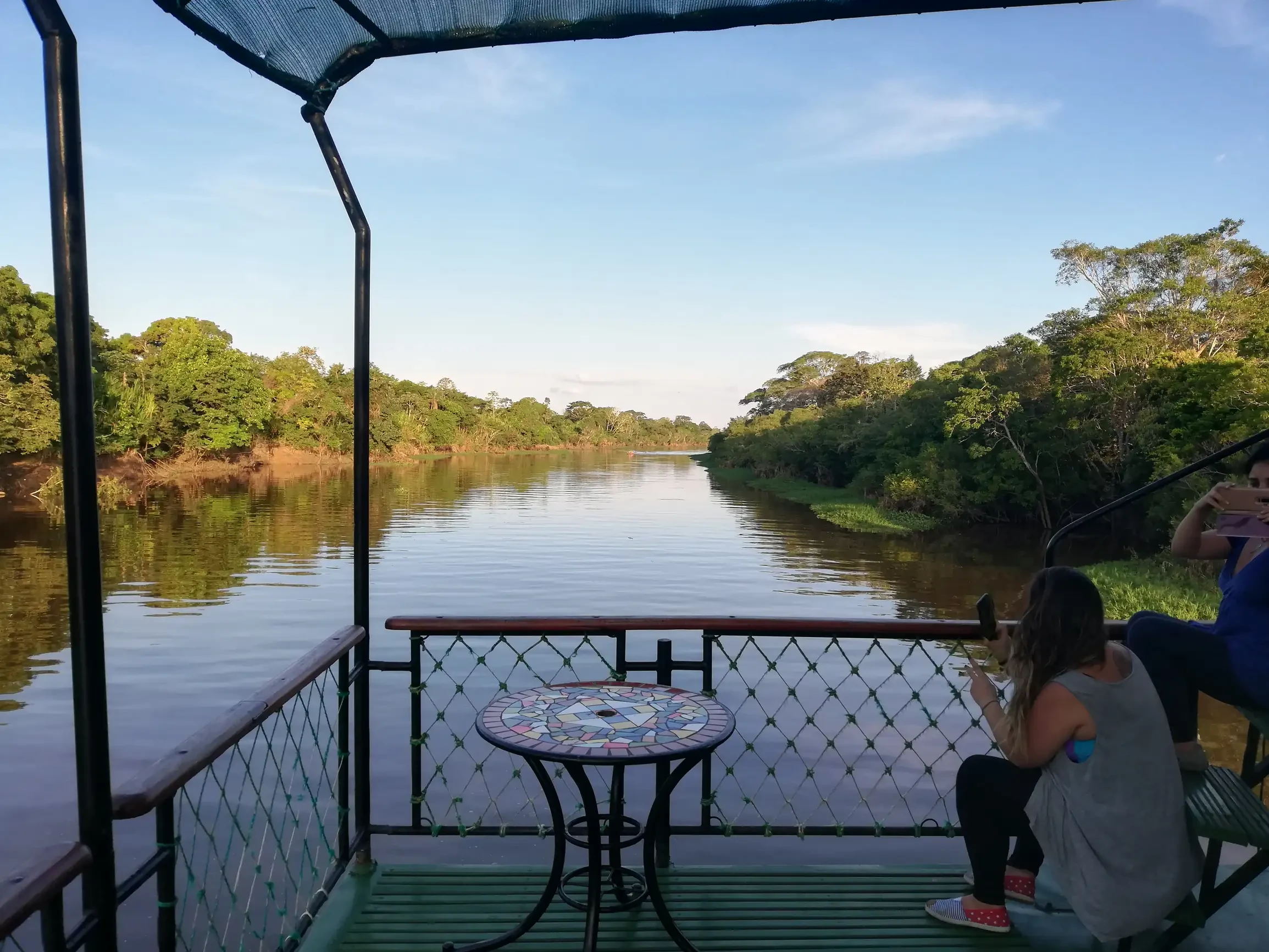
- Tour of Puerto Ballivián and departure by motorized boat along the river to the mouth of the Mamoré River, meeting the largest river in Bolivia, which produces a great visual impact. Along the boat trip, we will observe the friendly river dolphins (Inia boliviensis), with the possibility of swimming near them in the waters of the Ibare River.
- In the afternoon, we will visit the town of Loma Suarez, very rich in the history of the Amazonian region of Bolivia, and finally, we will learn about the life of the San Carlos indigenous community. Here we will find one of the most important natural monuments of the Ibare-Mamoré Protected Area: El Mapajo, a giant tree of the Amazon.
- Return to Loma Suarez and transfer by vehicle to Trinidad.
Day 6
Trinidad ➔ La Paz
- After breakfast and resting at the hotel, transfer to the airport to take the return flight to the city of La Paz.
Important notes
Availability:
✅ Tours are available every day of the week.
Requirements:
🪪 You may be asked to present identification, such as your passport.
Important data:
⛰️ La Paz is located at 3,600 m a.s.l., and an acclimatization period may be required.
Health information:
⚠️ Make sure you are in good health and have enough stamina to participate without difficulty.
💡 Our recommendation:
The Bolivian Amazon
➔ Bufeo Route in Trinidad and Madidi Park in Rurrenabaque
The Bufeo Route is a one-day ecological itinerary that departs from Trinidad (Beni) and travels through the Ibare-Mamoré Municipal Protected Area, where the pink freshwater dolphin (Inia boliviensis) lives, the only bufeo species in the world. The journey is made by boat and combines dolphin observation at the confluence of the Ibare and Mamoré rivers with a short hike to the area of the century-old "Mapajo" tree, where bats (giant Amazonian birds) nest, and visits to local crops of cocoa, cassava, banana, and rubber. Declared Natural Heritage of the Plurinational State of Bolivia through Law 284 on September 18, 2012, the Bolivian bufeo is a symbol of the country's Amazonian biodiversity, and the route also offers specialized talks and the opportunity to interact with local communities. The experience combines emblematic wildlife viewing, community tourism, and the richness of the tropical forests of the Eastern Yungas.
Rurrenabaque is the main gateway to the Bolivian Amazon and the access point to Madidi National Park, considered one of the parks with the greatest biodiversity on the planet. Located between the Andes and the Amazonian lowlands, Madidi encompasses an extraordinary altitudinal gradient that allows the coexistence of multiple ecosystems, from cloud forests to humid tropical rainforests.
This geographic diversity translates into exceptional biological richness, with thousands of species of plants, birds, mammals, reptiles, and amphibians. It is one of the best destinations in South America for birdwatching and wildlife observation, habitat of monkeys, tapirs, and jaguars.
Includes
Not Included
Tripadvisor


Request a quote
La Paz, summary of Bolivia
6 days and 5 nights