





Travel Information for Visiting Madidi National Park
About Madidi National Park
Madidi National Park, with an area of 18,958 km², is one of the largest and most heterogeneous protected complexes on the planet, as it combines Amazonian humid forests, Yungas paramos, cloud forests of the ceja, dry forests of Asariamas, very humid piedmont forests, flooded savannas, and extensive swampy palm groves within its territory.
The area shelters snow-capped peaks, glaciers, high Andean lagoons, deep valleys and canyons, cliffs, torrential rivers, and waterfalls, creating a landscape of contrasts that ranges from the high mountain range to the Amazon basin. This extraordinary variety of ecoregions generates unparalleled biodiversity: more than 5,500 plant species, 1,800 vertebrates, and more than 20,000 insects, which represents about 3 % of the planet's flora and 3.75 % of its vertebrates. The combination of high-mountain ecosystems and tropical jungle makes Madidi a refuge for endemic species, a living laboratory for research, and, of course, an essential tourist destination during a visit to Bolivia.
Tourist Attractions
Data
Management Category
National Park and Integrated Natural Management Area
Extension
Surface area of 1,895,750 ha (18,957 km²)
Location
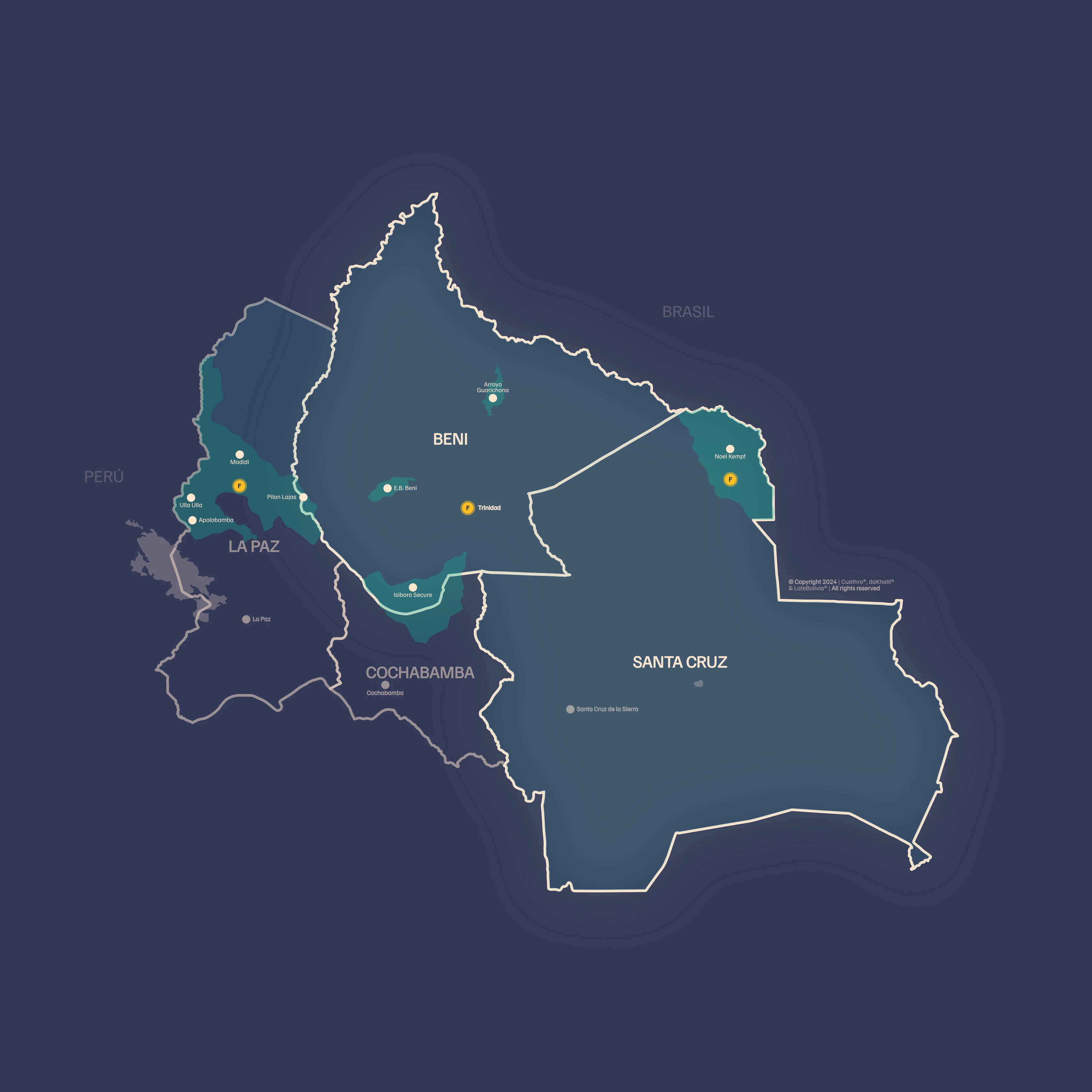
It is located in the Northwest region of the La Paz Department, in the provinces of Franz Tamayo, Abel Iturralde, and Larecaja. The municipalities involved are Apolo, San Buenaventura, Ixiamas, Pelechuco, and Guanay. It borders the Republic of Peru to the West.
Biogeographical Subregions, Altitudinal Range, and Climate
Madidi corresponds to the subregions of Puna, Yungas Humid Mountain Forest, and Madeira Humid Forest. The climate varies from cold (icy) in the cordillera zone, temperate in the intermediate mountain lands, to warm in the lowlands of the North. The altitudinal range oscillates between 200 (low zone near Rurrenabaque) and 6,000 m a.s.l.; physiographic environments: high cordilleras in the Apolobamba zone to the Amazon plain of the Heath River, in the gradient a diversity of mountain regions and Subandean system.
What activities can be done in Madidi National Park?
The journey from Apolo is an experience that combines trekking with navigation along the Tuichi and Beni rivers, a fantastic adventure experience in one of the areas with the greatest biodiversity on the planet.
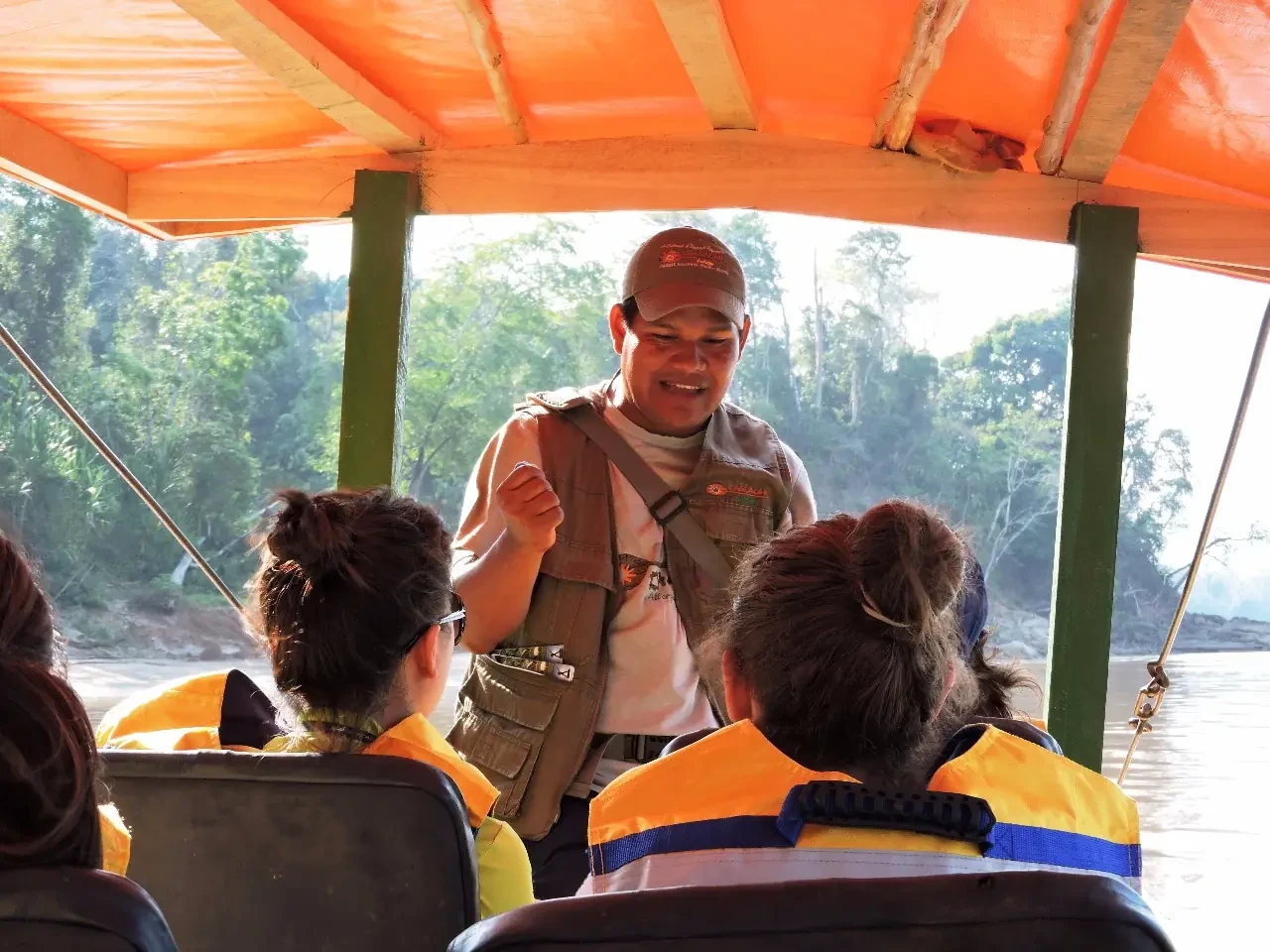
From Rurrenabaque, it is possible to navigate the Beni River and enter the Tuichi River to camp and take some hikes through the jungle. In addition, visit the Tacana communities of San José de Uchupiamonas and San Miguel del Bala, taking a trekking route that reaches the Tuichi River, to subsequently navigate the same river to Rurrenabaque.
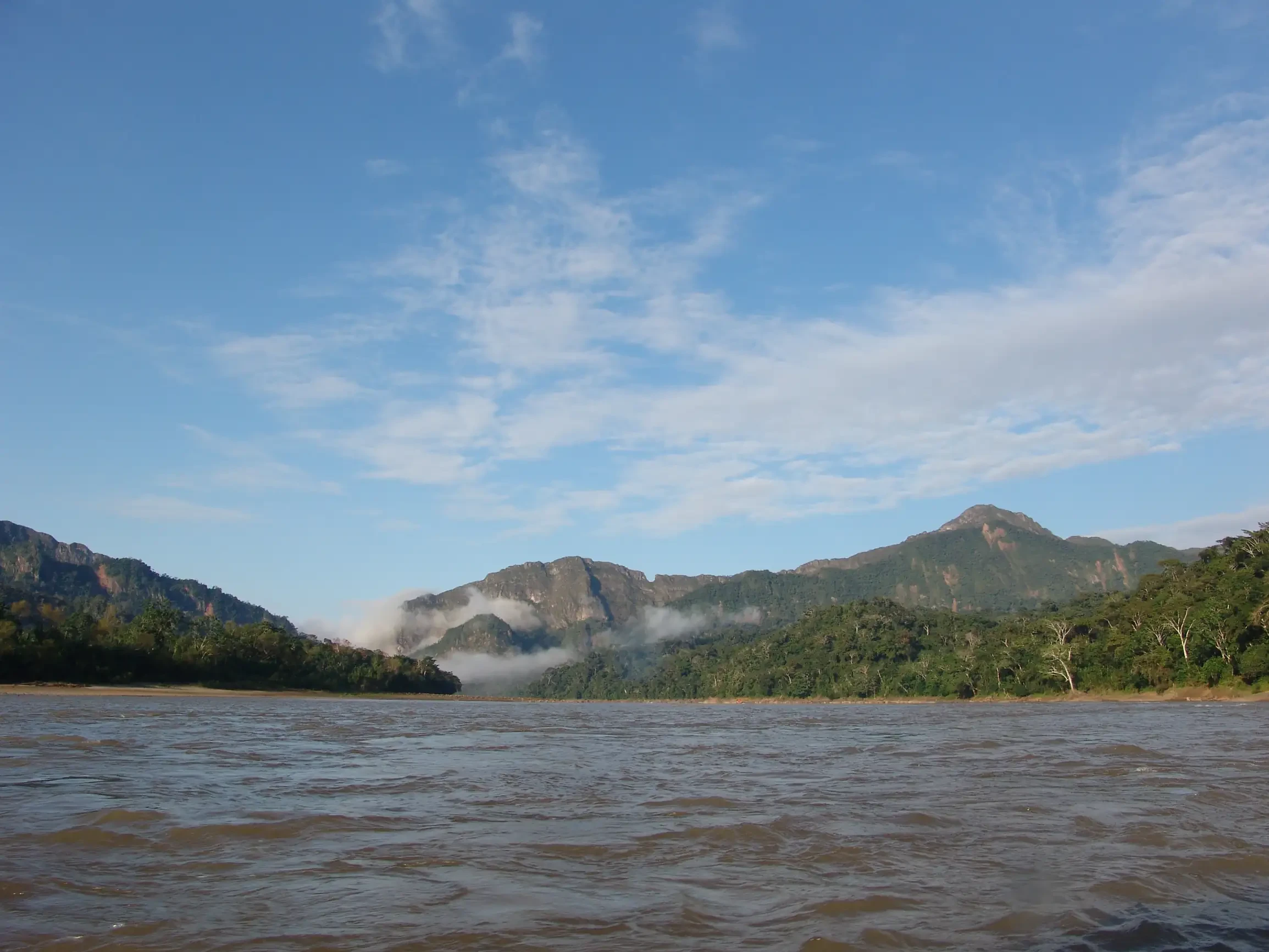
Regardless of the route taken, the landscape is always diverse and extraordinary, and there are many possibilities for wildlife observation. Tributary of the Beni River that originates in the Apolobamba area. It crosses an alluvial valley that runs between the Yungas mountain humid forest. It is possible to take tours by boat on the river, hikes through the forest, and camp on its banks.
How to Get to Madidi National Park?
The entry points are Apolo to the South and Rurrenabaque to the East. Both localities are accessible by land via buses that leave daily from La Paz (the Villa Fátima area) or from Trinidad to Rurrenabaque.
The airline Ecojet offers flights between La Paz and Rurrenabaque.
Archaeological Sites
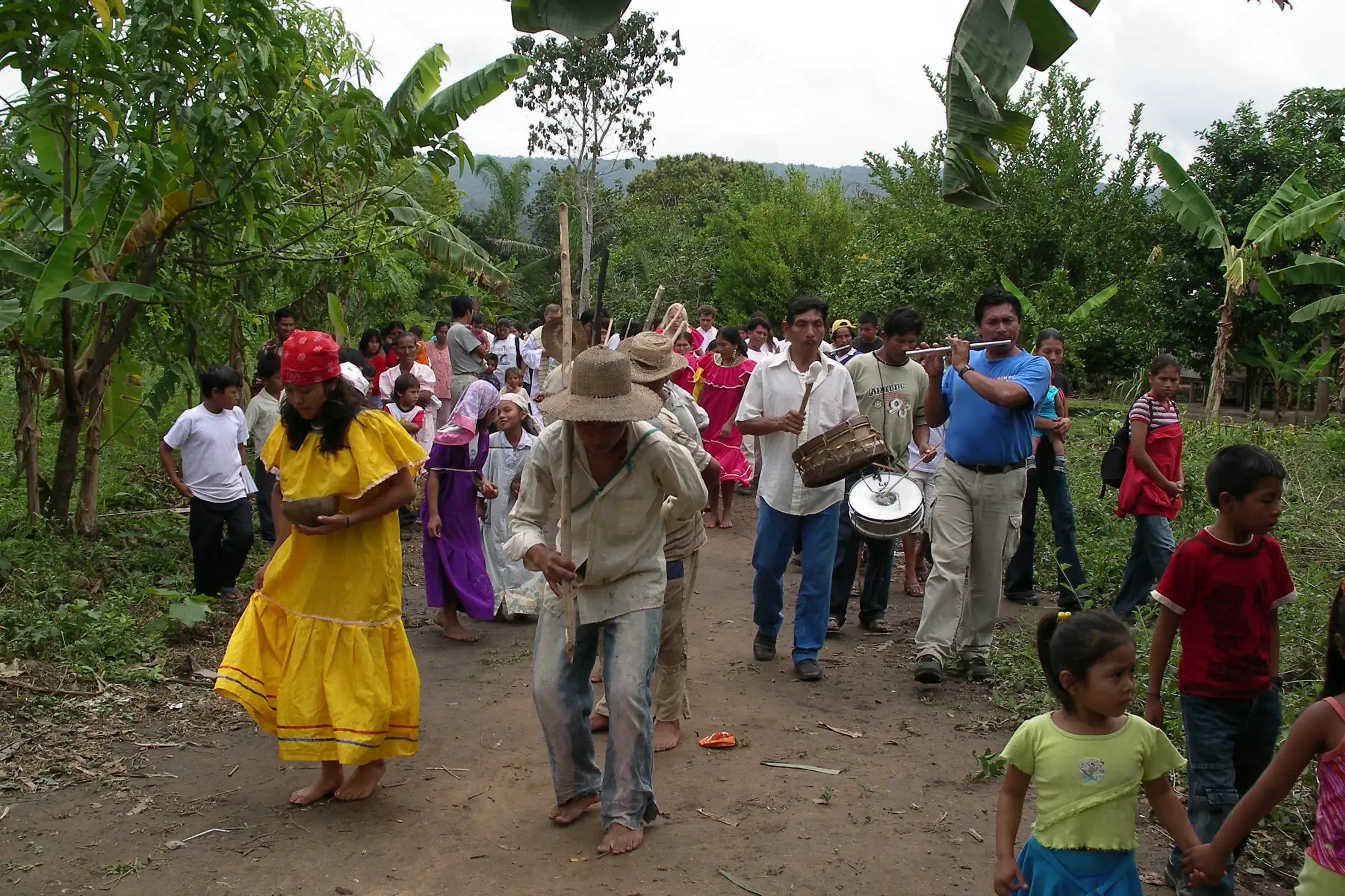
It includes archaeological sites of both Inca and Mollo cultural origin, as well as pre-Columbian pathways. Among the indigenous populations, Quechua communities of colonial origin stand out in the highlands; in the lowlands, the Tacana indigenous culture is found, which constitutes part of the traditional area of the itinerant indigenous groups Esse Ejja, and Moseten communities are also present.
Madidi protects the region of greatest biological wealth in Bolivia, thus achieving relevance not only at the continental level but worldwide. In this sense, it constitutes one of the most extraordinary natural reservoirs of genetic resources on the planet. Due to its dual category as a National Park and Integrated Natural Management Area, Madidi presents enormous potential for developing wildlife management and conservation programs applicable at the regional level.
Madidi's altitudinal range is very broad, between 200 and 6,000 m a.s.l., and encompasses a great diversity of physiographic environments, from the high cordilleras in the Apolobamba zone to the Amazon plain of the Heath River, including in the gradient a diversity of mountain regions and the Subandean system.
The geomorphology, except for the alluvial valley of the Tuichi and the plains of the Heath, is essentially mountainous with abrupt relief and deep canyons.
Wildlife
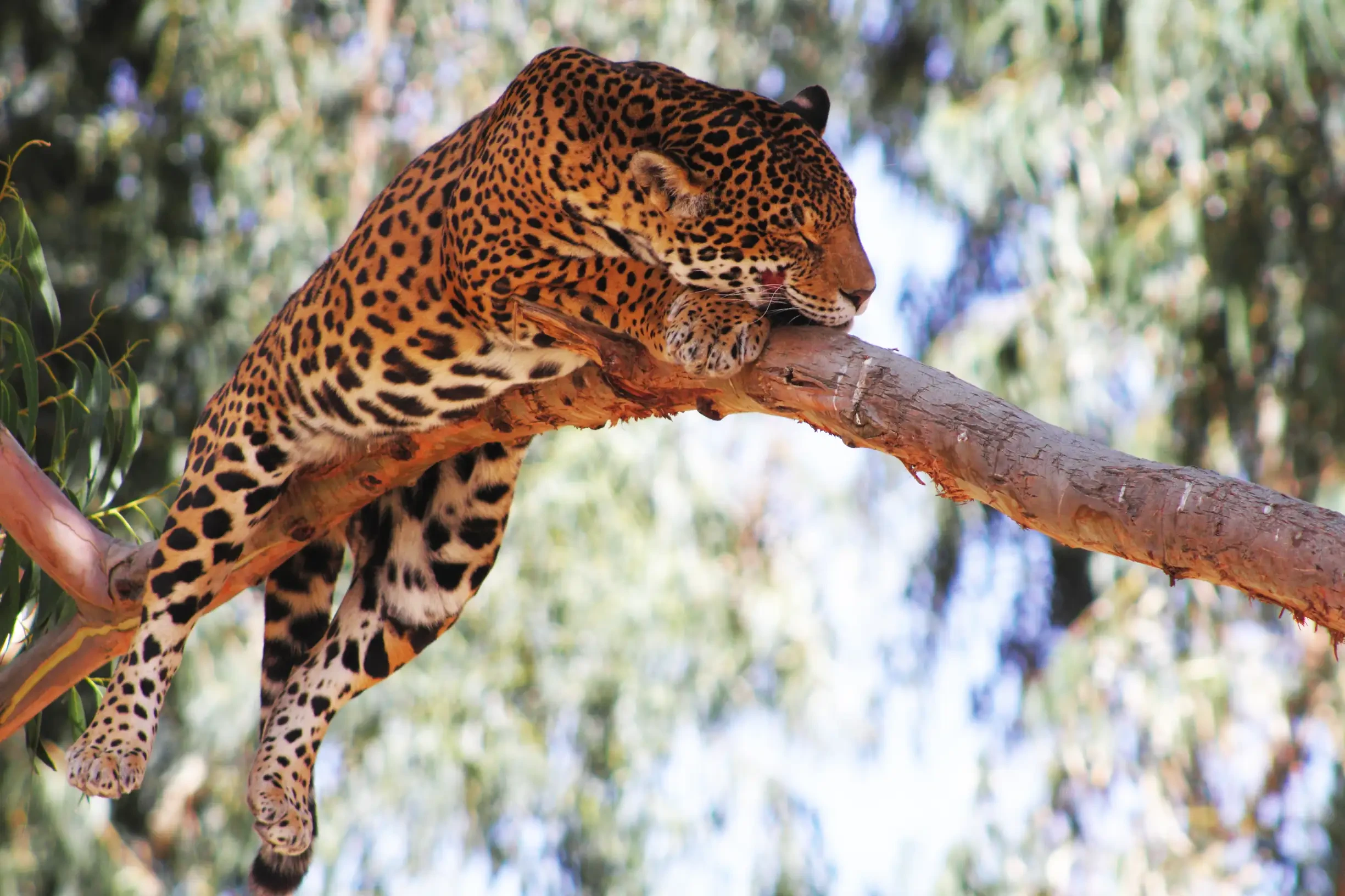
There are 733 registered fauna species for Madidi National Park, which include almost all taxonomic groups, especially mammals, birds, reptiles, and fish. Among the mammals, the jucumari or spectacled bear (Tremarctos ornatus), the Andean cat or titi (Felis jacobita), the taruca or Andean deer, the puma, the jaguar, the ocelot (Felis pardalis), the tropero (Tayassu pecari albirostris), the lontra, the marimono, the manechi (Alouatta seniculus), and several species of the Callitrichidae family stand out.
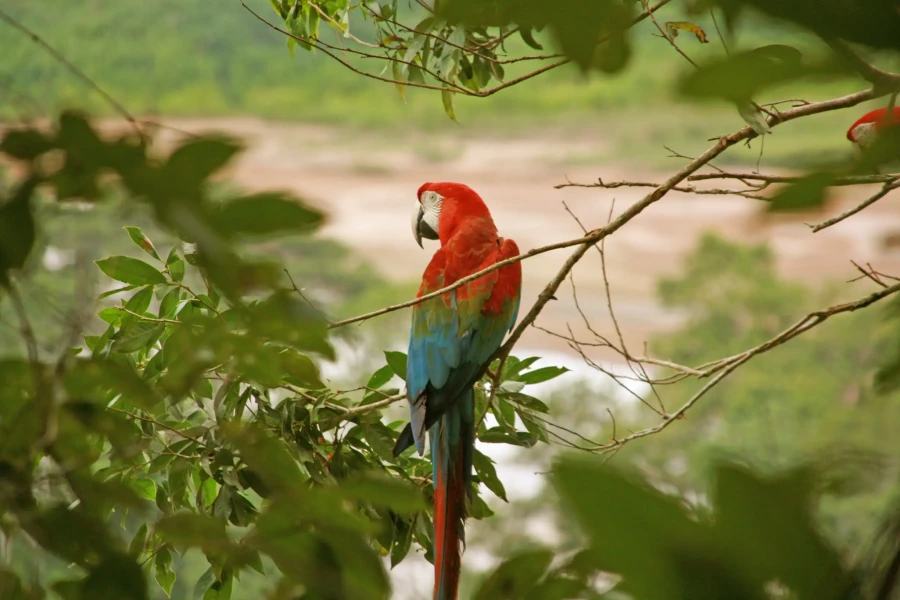
Among the birds are probably Anairetes alpinus from the Tyrannidae family, the crested eagle (Oroaetus isidori), the harpy eagle (Harpia harpyja), the endemic hummingbirds (Oreotrochilus adela and Aglaeactis pamela), and several threatened small bird species such as Grallaria erythrotis, which is endemic to the region, Leptasthenura yanacensis, Asthenes urubambensis, Tangara ruficervix, and Hemispingus trifasciatus.
To date, 620 bird species have been recorded; however, a total of 1,100 bird species is estimated, an extraordinarily high figure as it represents 90% of Bolivia's avifauna. The "Lucachi" monkey, a new species for science, hidden in the humid forests of Madidi National Park, is a golden-furred monkey unknown to science until 2004, when upon its discovery an auction was organized to raise funds for its conservation and finally name it Callicebus = "Golden Palace".
Vegetation and Flora
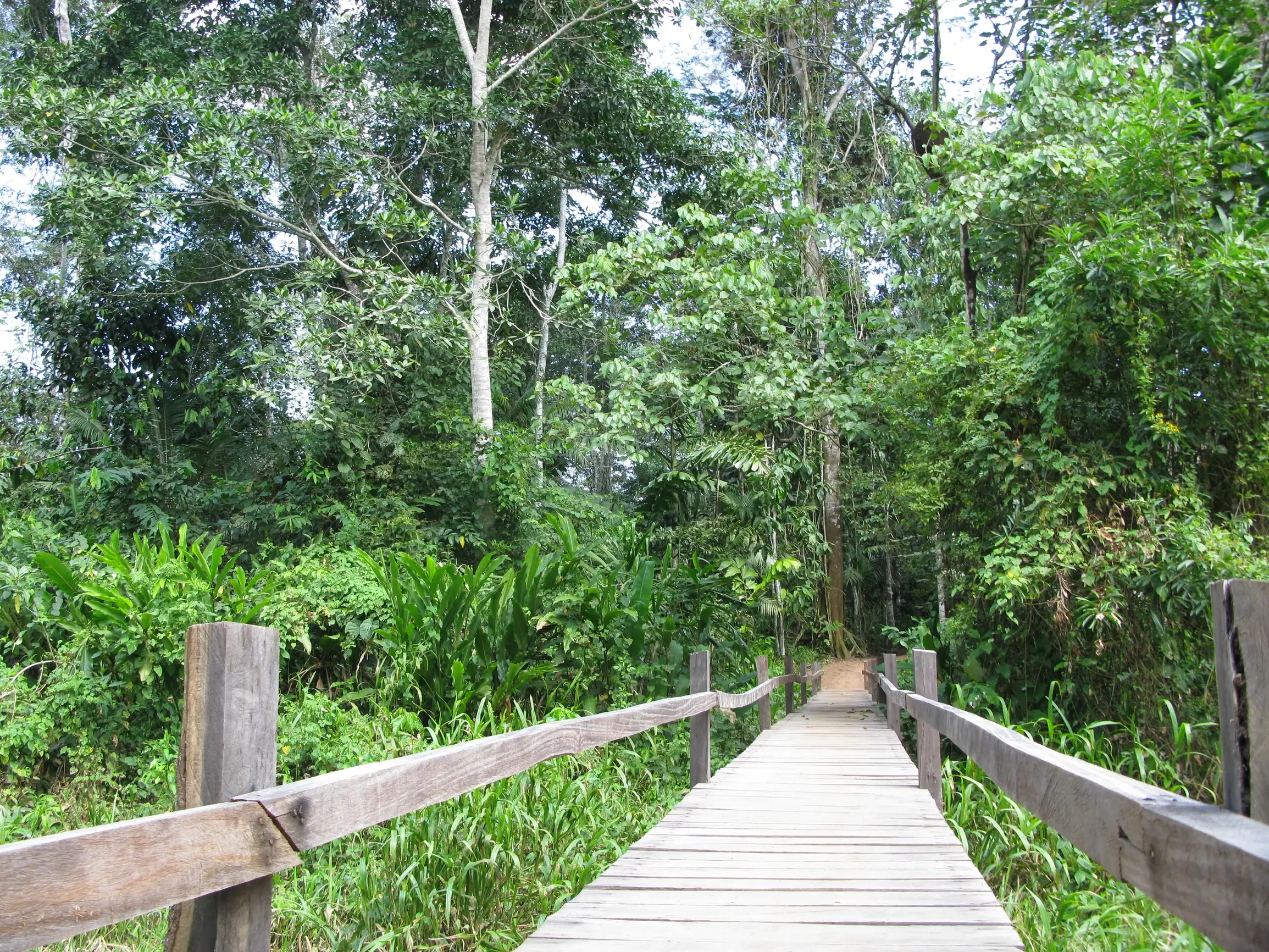
Due to its wide altitudinal range, Madidi National Park presents an extraordinary diversity of ecoregions: nival zones and periglacial environments, Yungas Paramo, Ceja Cloud Forest, Humid to Perhumid Yungas Forest, Subandean Pluvial Forest, Deciduous Dry Forest of San Juan del Asariamas (probably unique in the world and in excellent state of conservation), Very Humid Pedemontane Forest (one of the last well-preserved samples in Bolivia), Basal Seasonal Humid Forest, Flooded Savannas, and Swampy Palm Groves of royal palm.
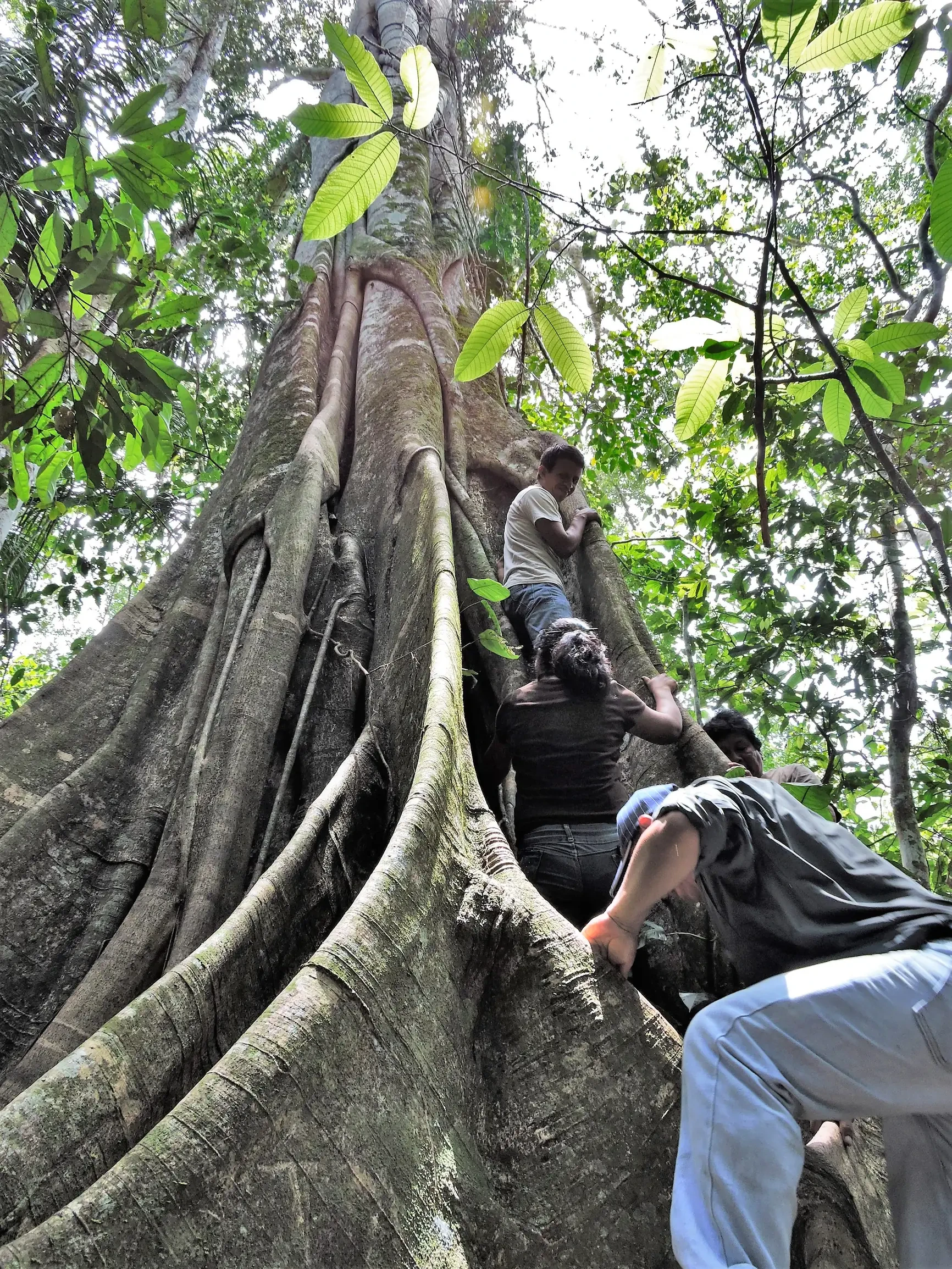
Between 5,000 and 6,000 higher plant species are estimated in all of Madidi National Park, highlighting: a new species for science, the huaycha (Weinmannia microphylla), the yuraj huaycha (Miconia theaezans), the mountain pines (Podocarpus spp.), the bibosi (Ficus spp.), among others. Additionally, it presents a great diversity of palms: Ceroxylon pityrophyllum (as very rare), the jatatas (Geonoma megalospatha, G. lindeniana, and G. deversa), the açaí (Euterpe precatoria), and the royal palm (Mauritia flexuosa).
Local Population
In the highlands (over 3,000 m a.s.l.) there are three communities in a very hard-to-access area, totaling around 180 families of Quechua origin. In the intermediate mountainous zone (from 3,000 to 600 m a.s.l.) there are around 25 small communities, north of Apolo and northwest of Asariamas, towards the border with Peru; they comprise 370 families.
In the lowlands, the population is very scarce, located in a few small communities and some scattered settlements. The communities are found towards the Beni River (El Carmen, San Miguel, Quendeque, and Bala) and north of the lowlands San José de Chupiamonas on the Tuichi River, totaling around 120 families.
The lowland population is essentially of Tacana, Esse Eja, and Mosetén origin. The urban centers near Madidi National Park are Apolo (1,628 inhabitants), San Buenaventura (1,670 inhabitants), and Rurrenabaque (4,959 inhabitants) to the east, and Ixiamas to the north (1,256 inhabitants).
Tripadvisor