






Travel information for visiting Sucre and Potosí
About Sucre and Potosí
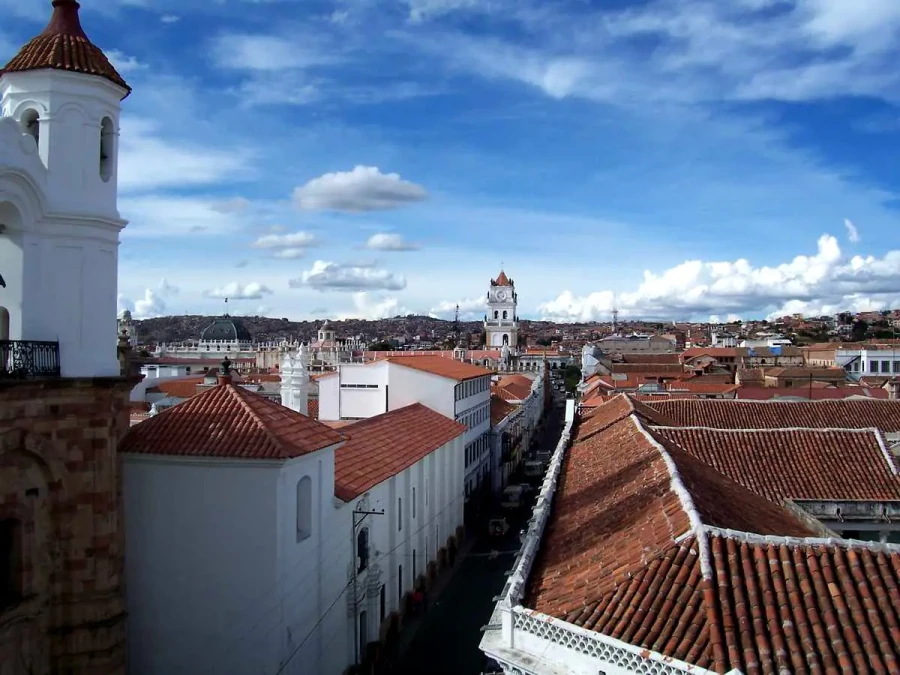
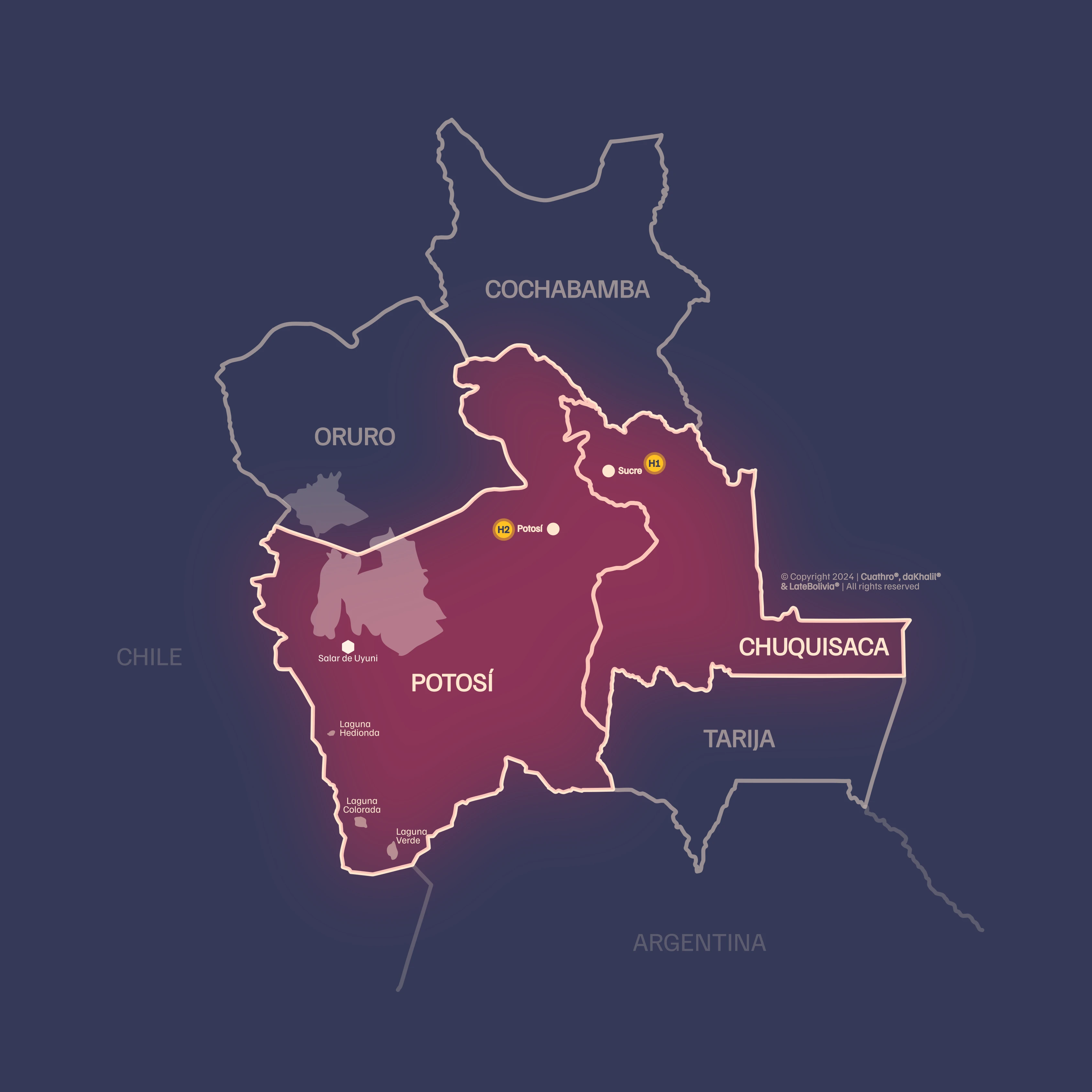
Sucre – The constitutional capital of Bolivia is located in the Chuquisaca valley, at 2,800 m a.s.l. with a population of 278,000 inhabitants (2023 figure). Its climate is temperate, with average annual temperatures between 12 and 17 °C and a dry season from May to October. The city is home to the Supreme Court of Justice, the Major, Royal and Pontifical University of San Francisco Xavier, and was declared a UNESCO World Heritage Site in 1991.
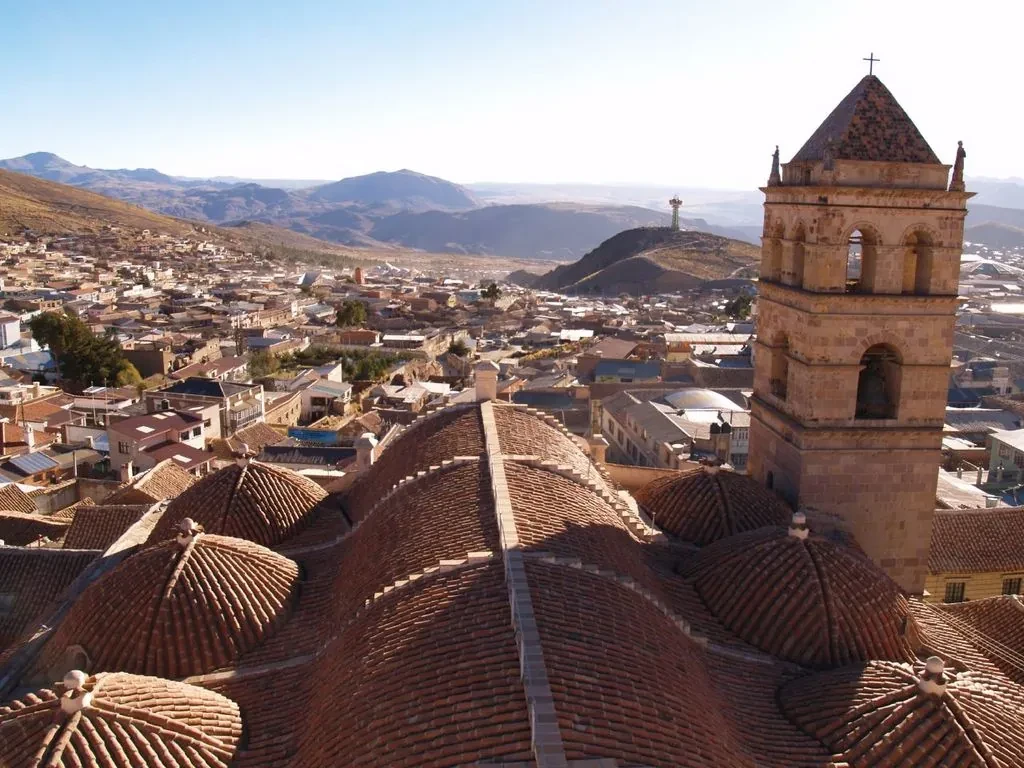
Potosí – Located in the southwest of the country, at 4,067 m a.s.l., it is one of the highest inhabited cities on the planet and sits on the plateau of Cerro Rico, famous for its silver mines that drove the colonial economy. The current urban population is close to 210,000 inhabitants (2023 figures). The climate is cold‑arid, with average annual temperatures of 8–12 °C and scarce rainfall, resulting in severe winters and cool summers. The city preserves a rich Baroque heritage: churches such as San Francisco and San Lorenzo, the Casa de la Moneda, the Convent of San Agustín and of Santa Teresa; the city was declared a UNESCO World Heritage Site in 1987.
Tourist Attractions
Potosí
Potosí is also known as the Imperial Villa of Potosí, a city of rich colonial history that extends at the foot of a legendary mountain called Sumaj Orcko (Cerro Rico), which contained the world's largest silver mine.
In 1625, the city of Potosí already had a population of 160,000 inhabitants, due to the immense wealth of Cerro Rico and the intense exploitation during the Spanish colonial period. UNESCO declared the city of Potosí a World Cultural Heritage Site; this was the first official recognition made by this international organization in Bolivia. The city has architectural heritage represented by numerous colonial buildings.
- Location: City in southern Bolivia, capital of the department of the same name and of the Tomás Frías Province.
- Altitude: 4,070 m a.s.l.
- Average temperature: In summer 22 °C, in winter 16 °C
Activities in Potosí
One of the main activities and attractions is the visit to the National Mint House or "Casa de la Moneda", one of the most important museums in South America. In this emblematic colonial building, millions of silver coins were minted during the viceroyal period. The guided tour allows visitors to explore former minting halls, learn about original machinery, and understand the economic impact that Potosí had on the world.
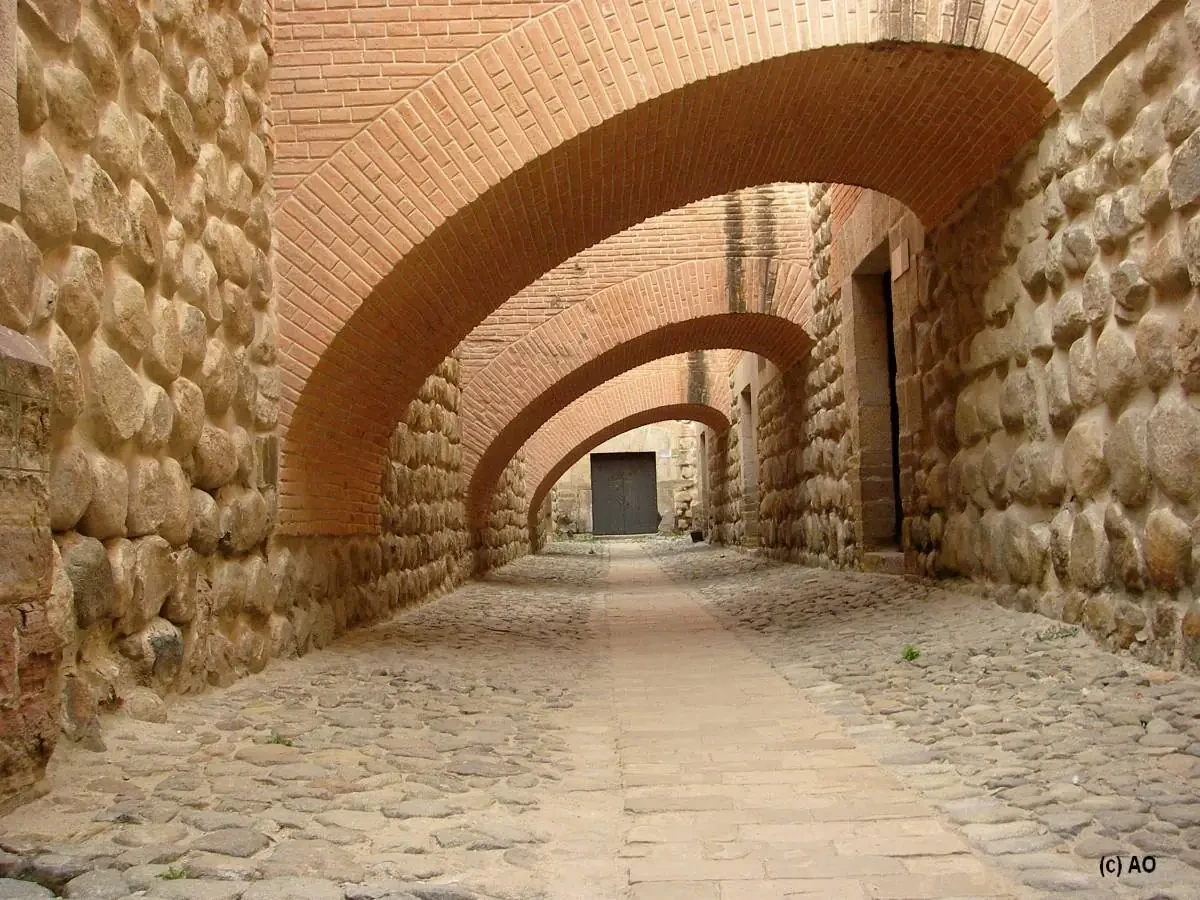
Another highlighted site is the Santa Teresa Museum and Convent, a colonial monastery that preserves valuable works of sacred art, relics, and original spaces that reflect religious life in colonial times. Its courtyards, cells, and galleries transport visitors back to the 16th and 17th centuries.
For those seeking an authentic and experiential tourism experience, visiting a cooperative mine in Cerro Rico is a striking activity. Accompanied by specialized guides, visitors enter the tunnels to learn about the miners' work up close and the history of silver exploitation that gave Potosí worldwide fame.
Exploring Potosí is discovering a destination full of history, culture, and unique experiences in Bolivia.
Hotel Museo Cayara (Hacienda Cayara)
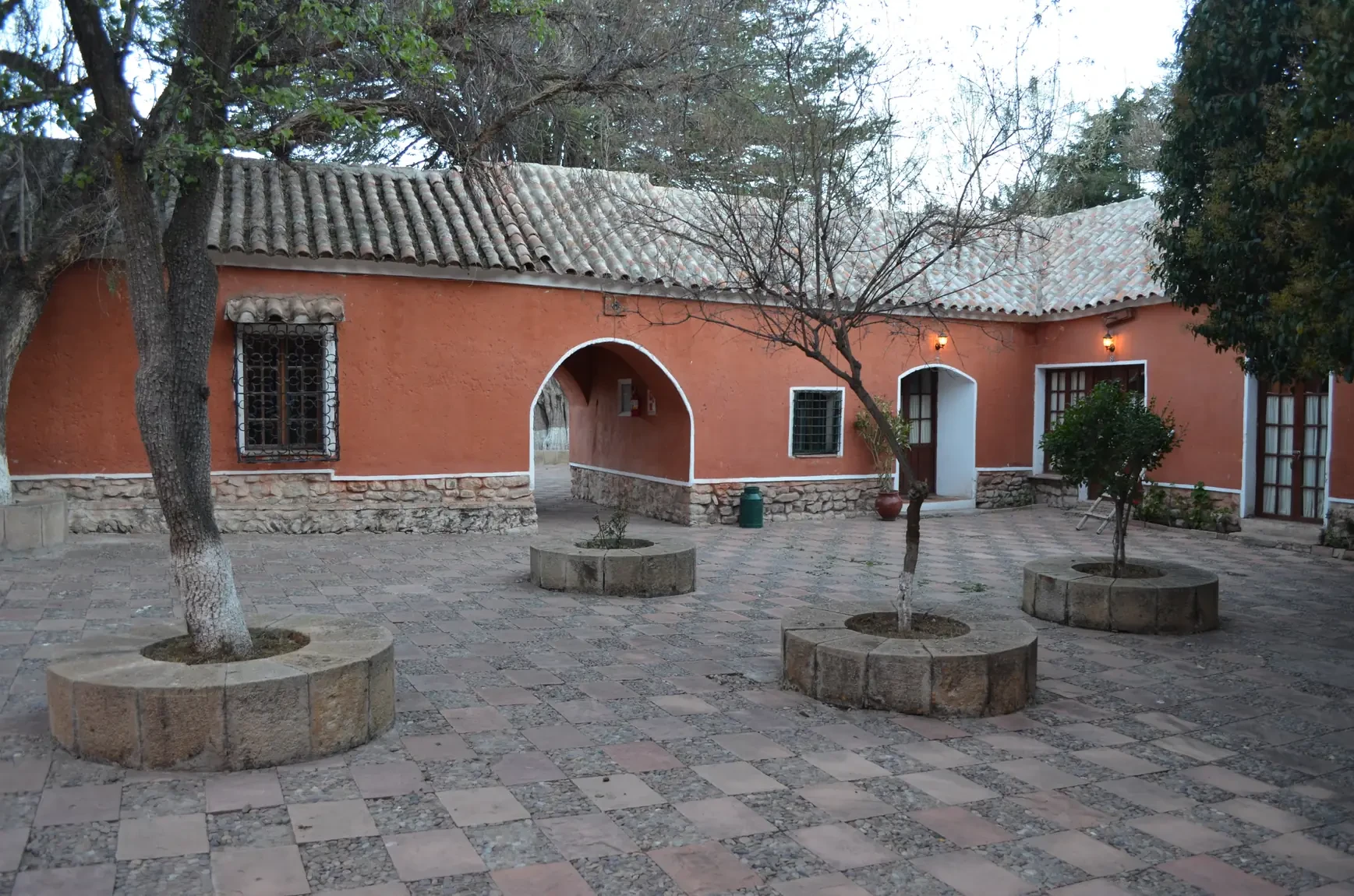
Hotel Museo Cayara is one of the most iconic historical destinations in southern Bolivia, located approximately 30 minutes from Potosí, at 3,550 meters above sea level. Founded in 1557, this ancient colonial hacienda is considered one of the oldest in the Americas and preserves original architecture that reflects the splendor of the viceroyal period linked to the silver mining boom of Cerro Rico.
Now converted into a hotel museum, Cayara offers a unique cultural tourism experience in Bolivia. Its exhibition halls safeguard valuable collections of colonial art, antique weapons, historical furniture, original documents, and a library with specimens of great heritage value. The colonial chapel, cobblestone courtyards, and spacious halls allow visitors to travel back more than four centuries of history.
In addition to its architectural and museographic richness, the natural environment surrounding the hacienda complements the tourist experience. The Andean landscape, agricultural fields, and panoramic views of the Potosí Altiplano create an ideal atmosphere for rest and contemplation.
Visiting Cayara is discovering a place where history, heritage, and hospitality integrate into an authentic tourism proposal in Potosí, ideal for travelers interested in culture, colonial architecture, and historical experiences in Bolivia.
Sucre
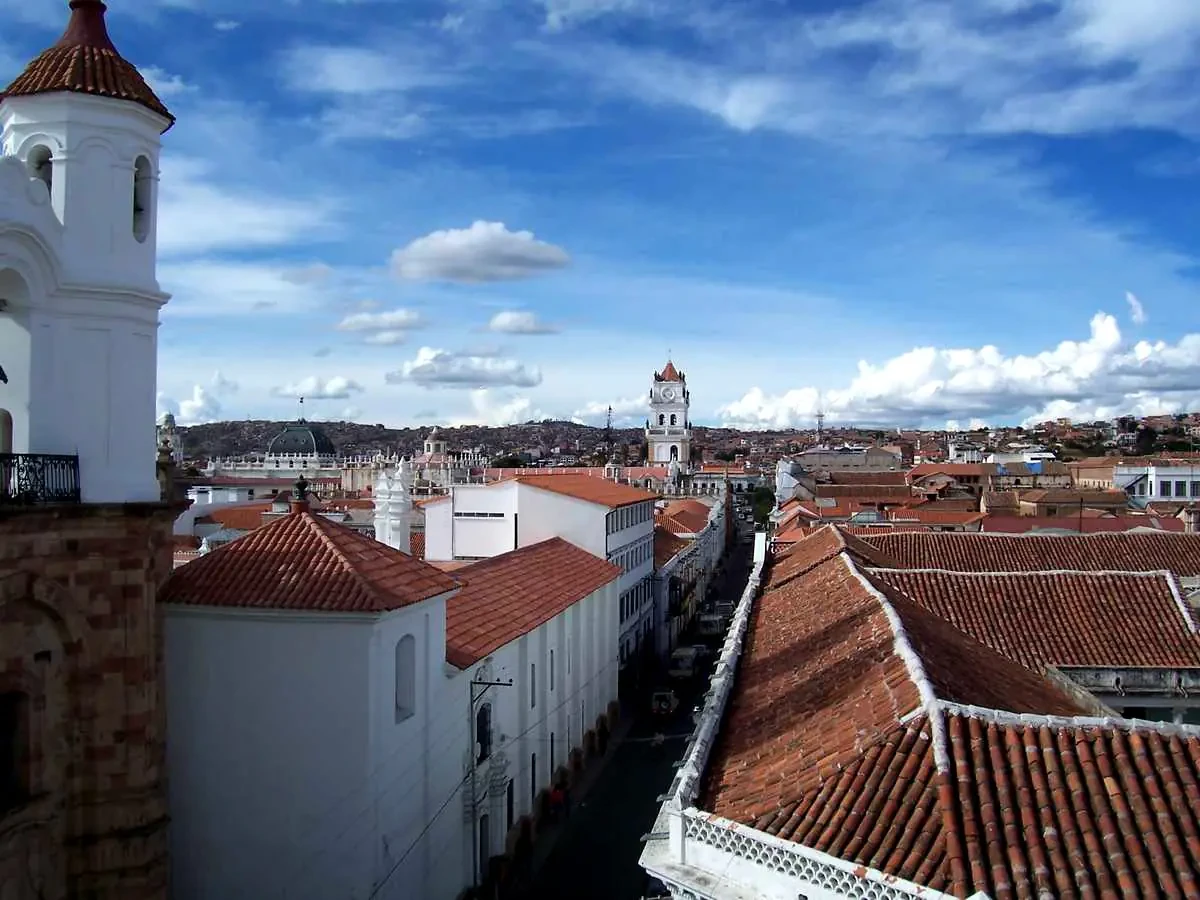
The constitutional capital city of Bolivia is Sucre and represents one of the most important and the oldest cities in all Bolivian territory.
The main attractions of the city are: the Palacio de la Glorieta, the Plaza de Armas of the Cathedral, the Basilica of San Francisco Xavier, the Casa de la Libertad, among other colonial architectural gems that led the city of Sucre to be named "Cultural Heritage of Humanity" (in 1991 by UNESCO).
Asur Textile Museum with Jalq'a and Tarabuco textiles, the Cretaceous Park, located a few kilometers from the city, is a park that shows the findings of dinosaur footprints in the quarry called Cal Ork'o, the paleontological site that houses the largest wall with dinosaur footprints in the world; this impressive tourist attraction offers a unique experience to see authentic footsteps millions of years old, becoming an essential visit for tourism in Sucre and Bolivia.
- Location: Southern Bolivia, Chuquisaca department, Oropeza province, Bolivia's valley region.
- Altitude: 2,790 m a.s.l.
- Average temperature: 19 °C.
Tarabuco Sunday Fair
Another of the most important cultural attractions near Sucre is the traditional Sunday fair of Tarabuco, an essential destination for those seeking cultural tourism and authentic experiences in Bolivia. Every Sunday, this locality becomes a living stage where the indigenous communities of the region maintain ancestral practices dating back to pre-Inca and Inca times.
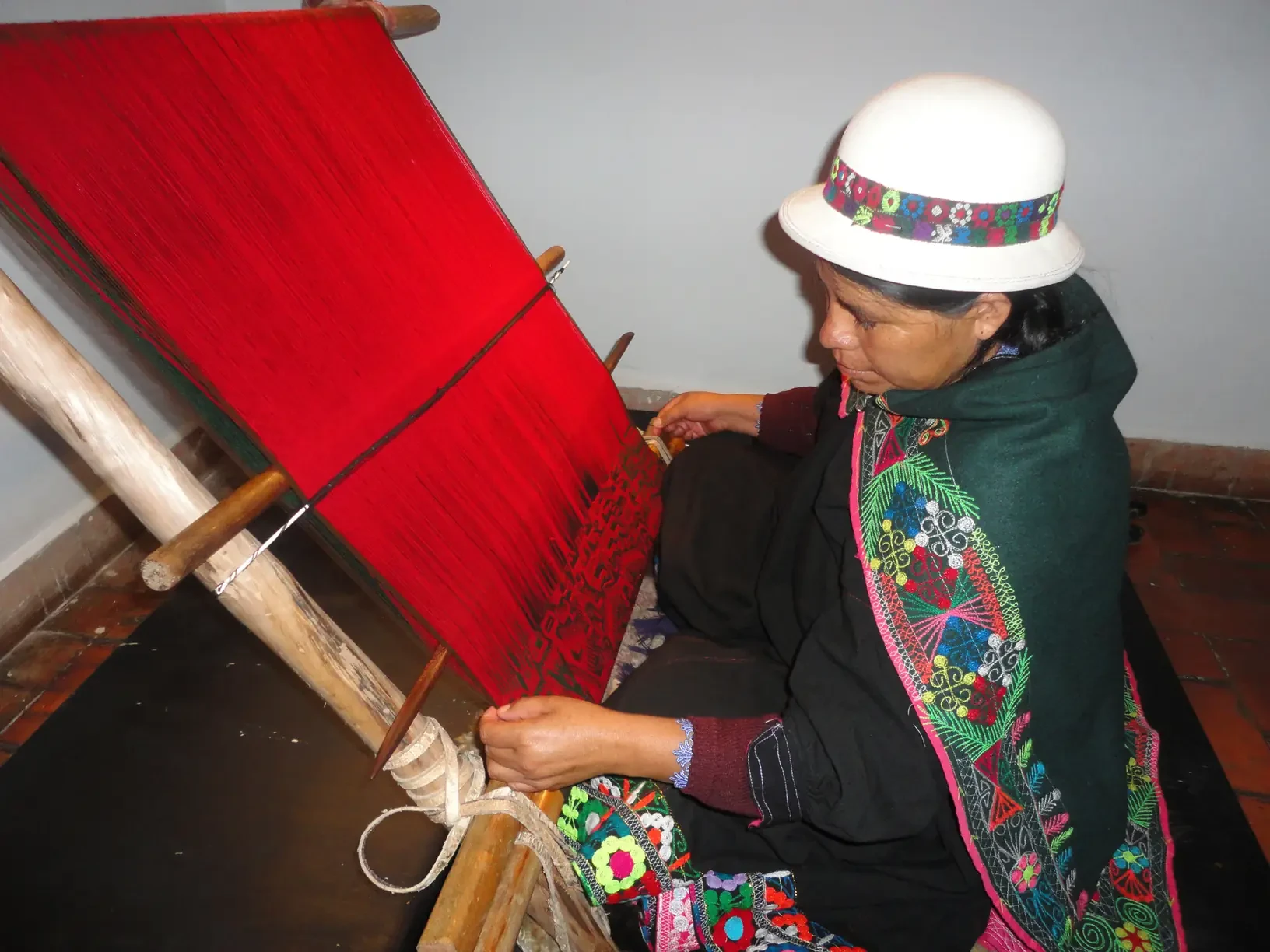
The Tarabuco fair is recognized for preserving one of the oldest methods of commercial exchange, where bartering still forms part of the traditional dynamic alongside the direct sale of agricultural products, textiles, and handicrafts. Here it is possible to observe members of the Yampara culture, known as the Pujllay, proudly wearing their typical garments, elaborated through ancestral weaving and natural dyeing techniques.
The textiles of Tarabuco stand out for their symbolic complexity, intense colors, and designs that tell community, agricultural, and ceremonial stories. Each garment reflects identity, worldview, and cultural heritage passed down from generation to generation.
Visiting the Sunday fair of Tarabuco from Sucre is an enriching experience that combines tradition, history, and living heritage. This destination represents a unique opportunity for community tourism in Chuquisaca, allowing the traveler to connect directly with a culture that has managed to preserve its customs over the centuries.
Tripadvisor