





Travel information for visiting La Paz
About La Paz
La Paz was founded in 1548 as a resting point between the transit from Potosí to Cusco; three days later, it was moved further east, to the edge of the Altiplano where the ravines begin and a warmer place, called Chuquiago Choqueyapu (in Aymara Chuquiyapu, 'potato or gold field').
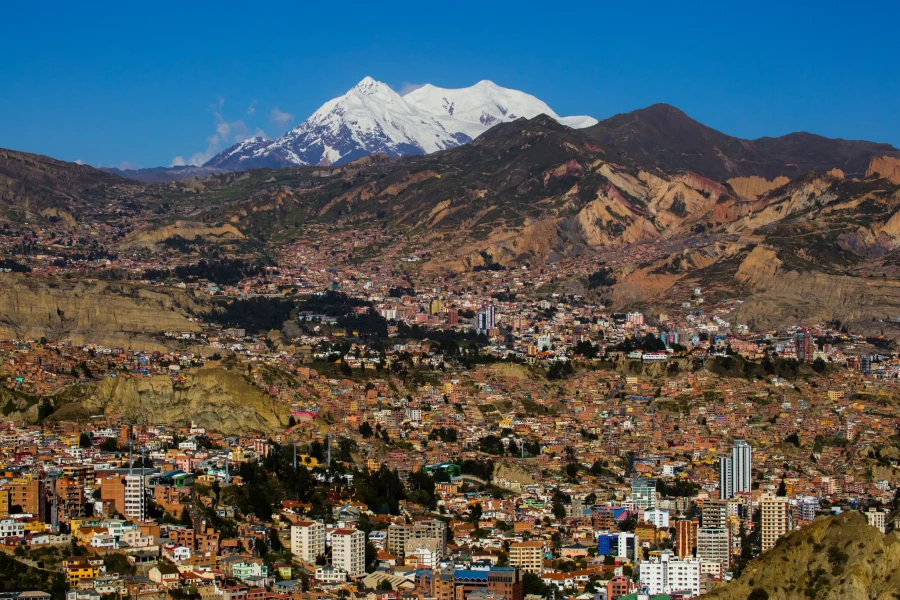
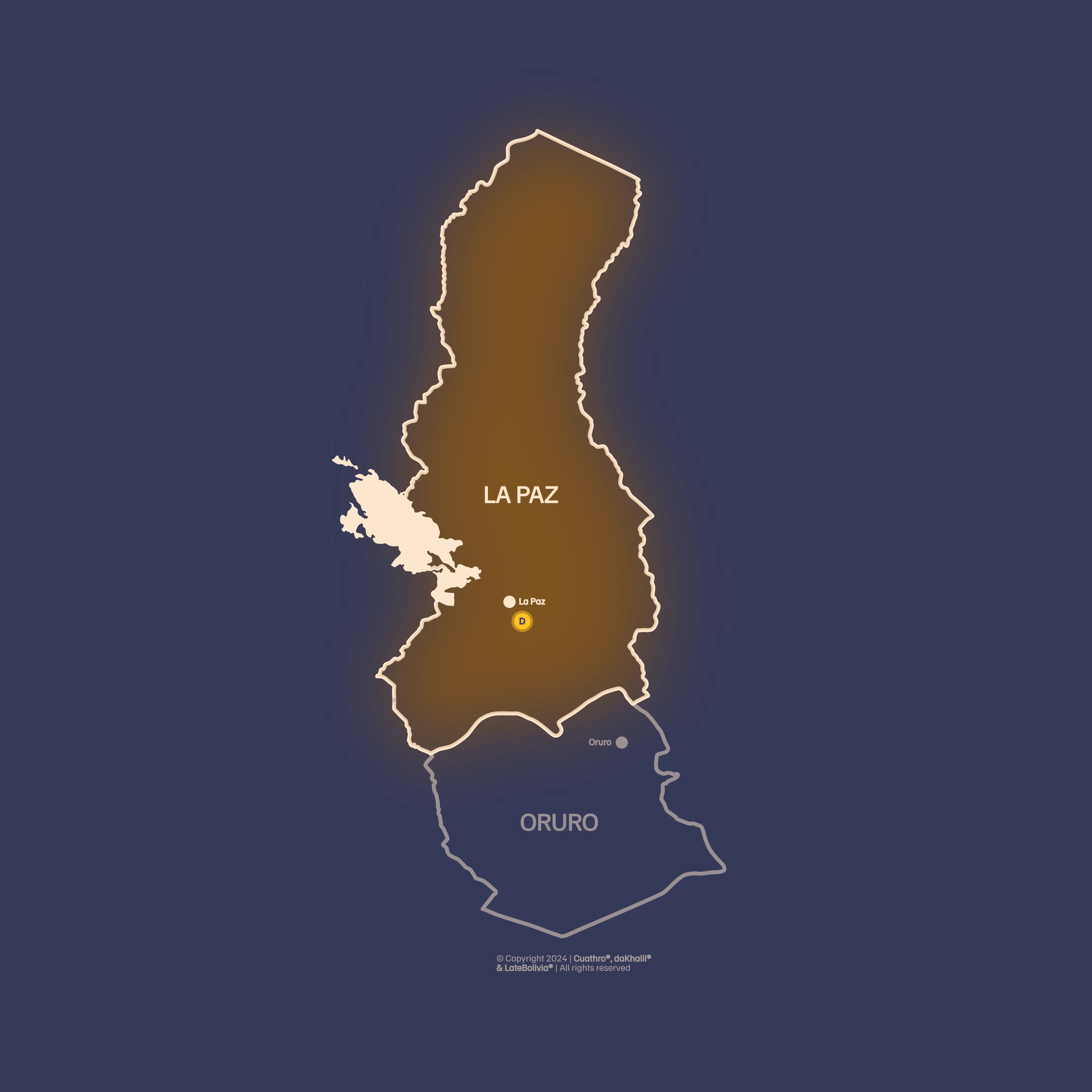
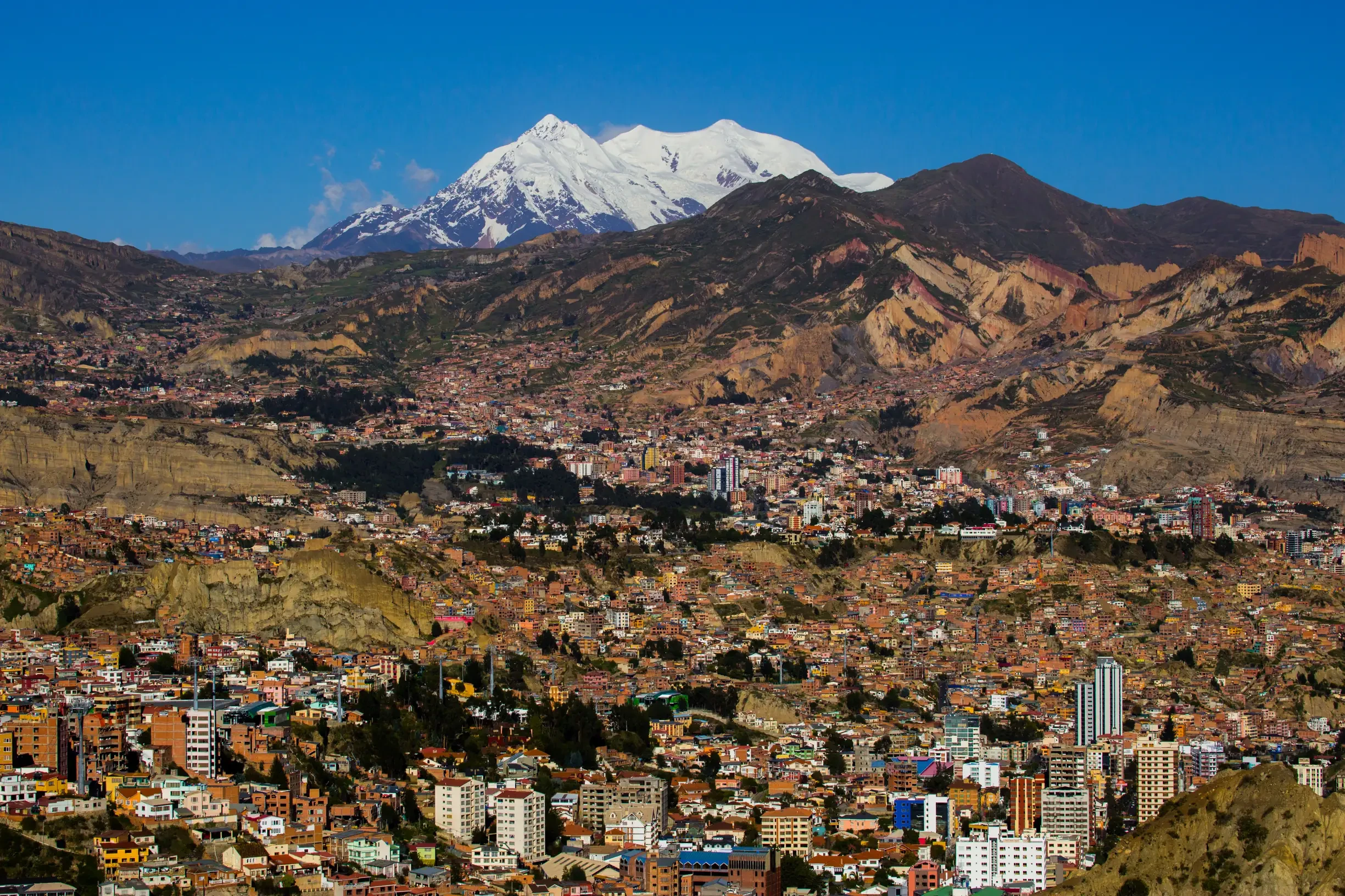
La Paz, located at ≈ 3 650 m above sea level, is the de facto seat of the Bolivian government and the political capital with the highest indigenous representation in all of Latin America; there the institutions of the Executive Power (Palacio Quemado), Legislative (Palacio Legislativo), and Supreme Court converge, while the constitutional capital, Sucre, maintains only judicial functions.
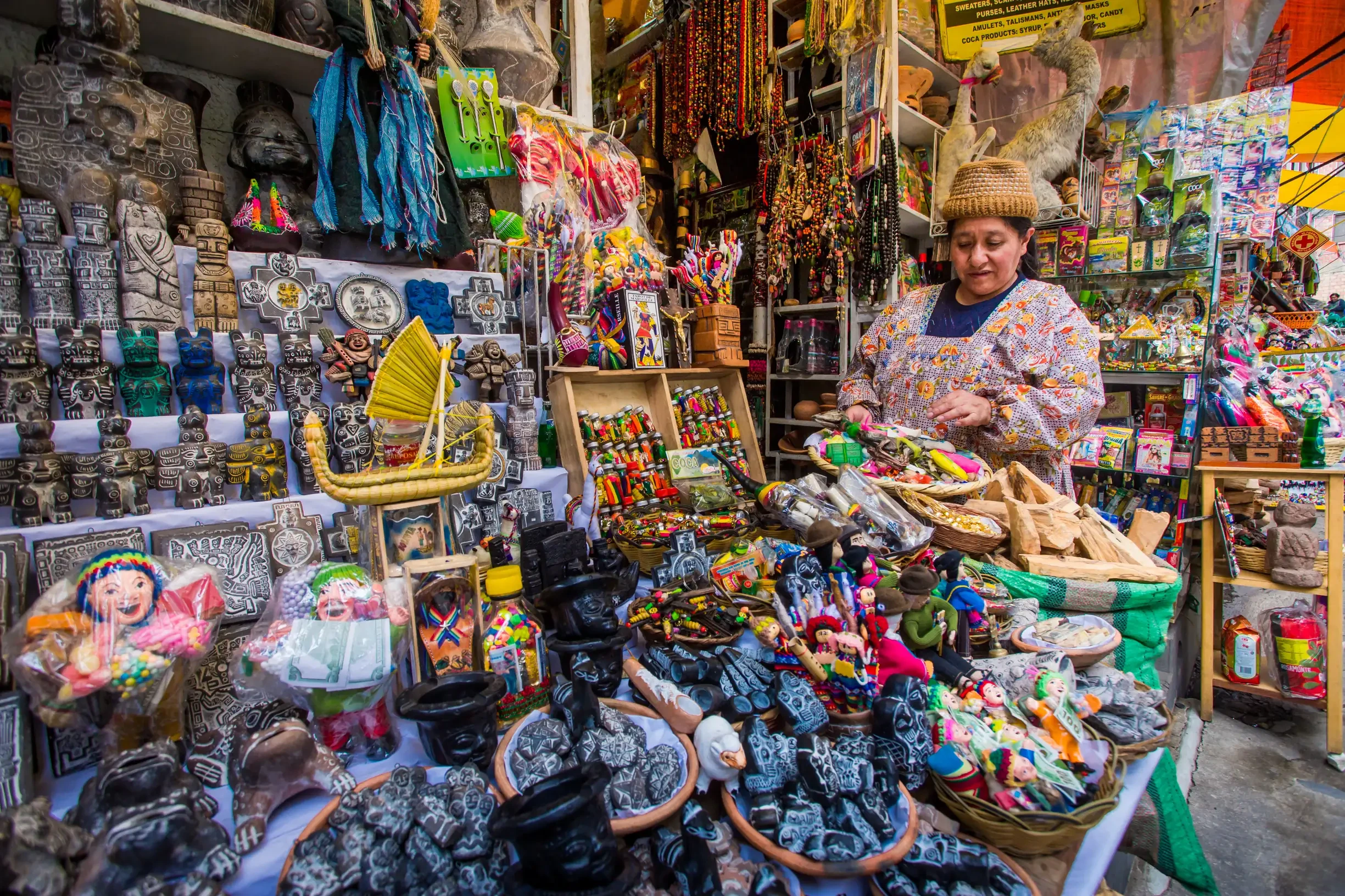
The city hosts a population of more than 800 000 inhabitants, of whom around 70 % identify as Aymara or Quechua, and the indigenous language is used daily in administration, education, and media. This living presence is reflected in urban life: the markets of Calle Jaén and the Witch Market sell crafts and ritual objects; the neighborhoods of El Alto and the Cerro Illimani area are the setting for the emblematic Gran Poder, a festival that celebrates Andean identity with cholita costumes, dances, and traditional music.
Economically, La Paz generates ≈ 24 % of the national GDP, concentrating most of the country's financial, commercial, and service activity, and its strategic position on the Altiplano makes it a connection point between indigenous culture and Western currents that arrive through diplomacy, tourism, and foreign investment.
Together, the city represents a permanent symbiosis between Andean ancestral knowledge and contemporary dynamics of the Western world, manifesting in every sphere of social, political, economic, and cultural life. The average temperature is 13º C (reaching -5º C in winter and 18º C in summer).
Tourist Attractions
Plaza Murillo
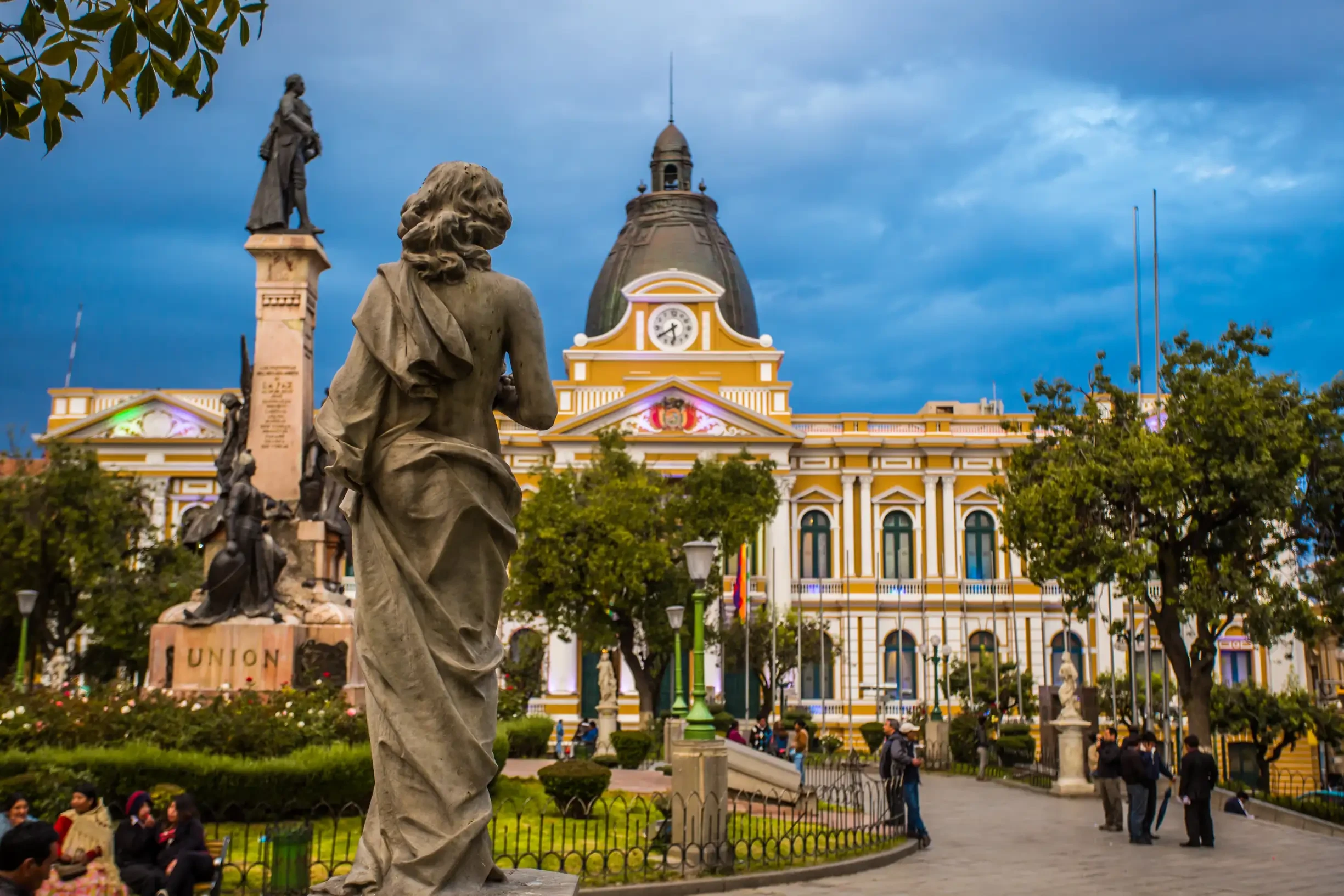
It is the "kilometer 0", paying tribute to the hero of the 1809 Liberation Act, Don Pedro Domingo Murillo. From this axis, a unified urban ensemble with neoclassical and academicist architecture can be observed: the Cathedral of Our Lady of La Paz, the Legislative Palace, and the Government Palace.
Lake Titicaca
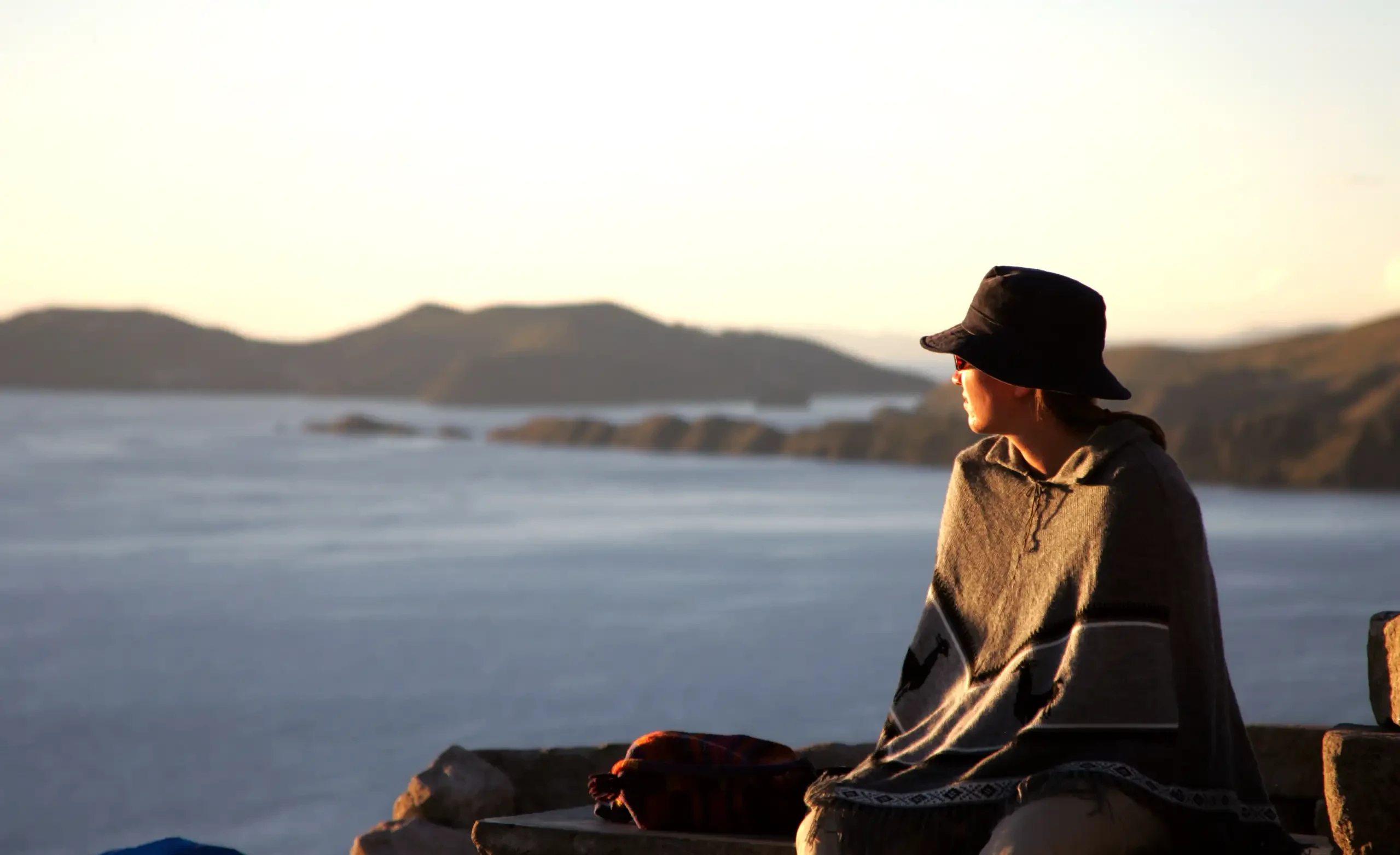
Lake Titicaca – Lake Titicaca, which extends over ≈ 8 300 km² between Bolivia and Peru, is located at 3 812 m above sea level, making it the highest navigable body of water in the world. Its average depth ranges between 140 and 180 m, reaching a maximum of ≈ 280 m (920 ft) in the northeast zone. The lake receives water from more than 25 rivers, including the Ramis, and its shores are flanked by snow-capped peaks of the Royal Cordillera. In addition to its scenic value, Titicaca is an important biodiversity refuge: it harbors > 530 aquatic species and numerous bird colonies, and is classified as a Ramsar Site and Important Bird Area. On its shores are ancestral communities such as the Uros, who live on floating totora islands, and the Taquileños, guardians of textile traditions declared Intangible Cultural Heritage of Humanity.
Urban Cable Car
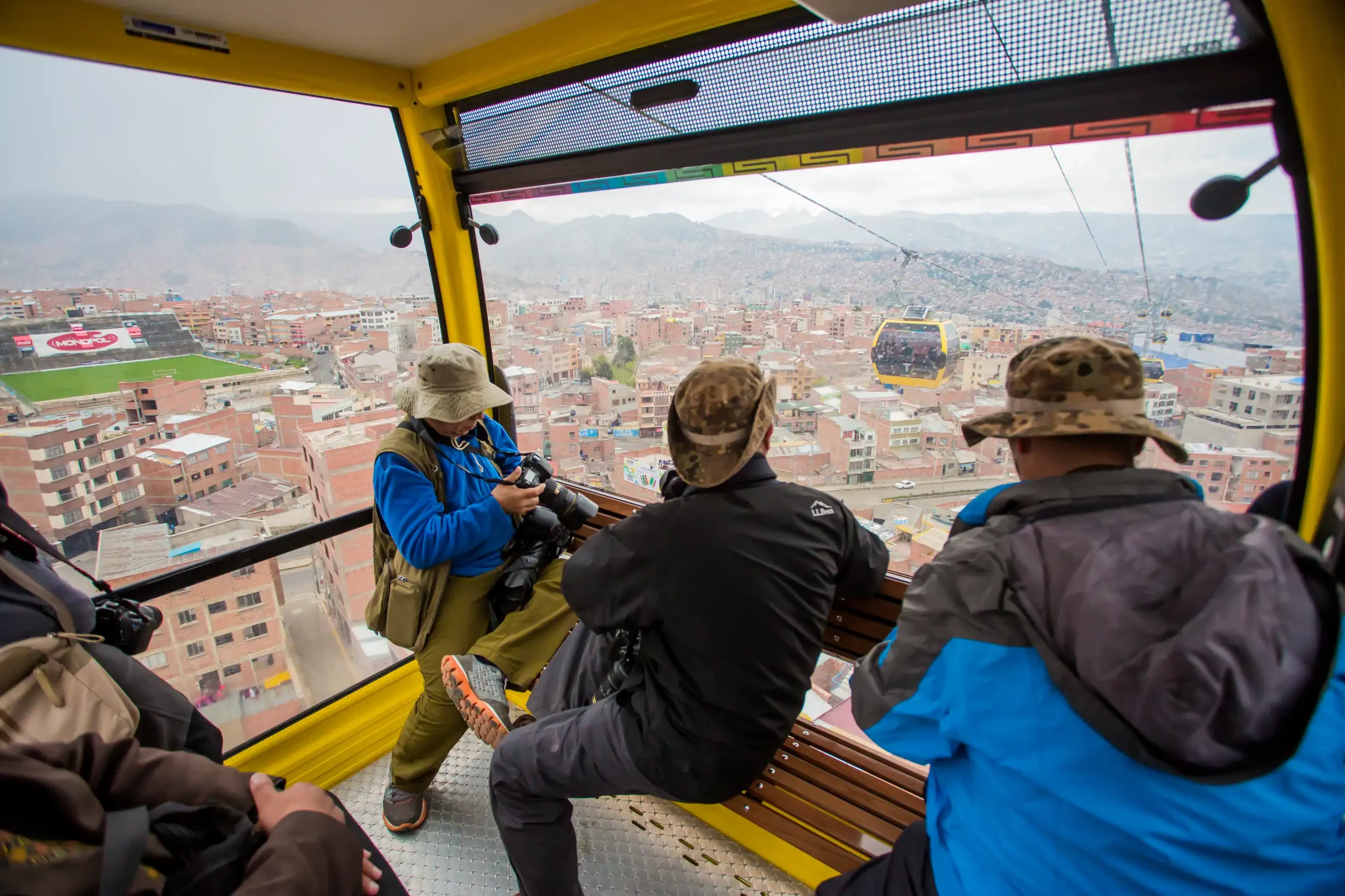
The urban system of Mi Teleférico is the most extensive cable-car network in the world, inaugurated in the spring of 2014 and conceived to overcome the huge difference in altitude (≈ 400 m) and congested traffic between La Paz (≈ 3,625 m above sea level) and the neighboring city of El Alto (≈ 4,150 m above sea level). The first phase comprised three lines (Red, Yellow, and Purple) and 20 stations covering about 30 km of route; subsequent expansion added seven more lines, reaching 10 lines and 22 stations, with a projected capacity of 150,000 passengers per day. Thanks to its "aerial metro" design, the two most used lines (Red and Yellow) concentrate more than 75% of trips, reducing travel time between both cities from one hour to less than 15 minutes and saving users around 16 days of travel per year. Additionally, the system reduces daily fuel consumption by approximately 7,000 gallons, contributes to improving air quality, and has been adopted as a model of sustainable mobility in other Latin American cities.
Gran Poder Festival
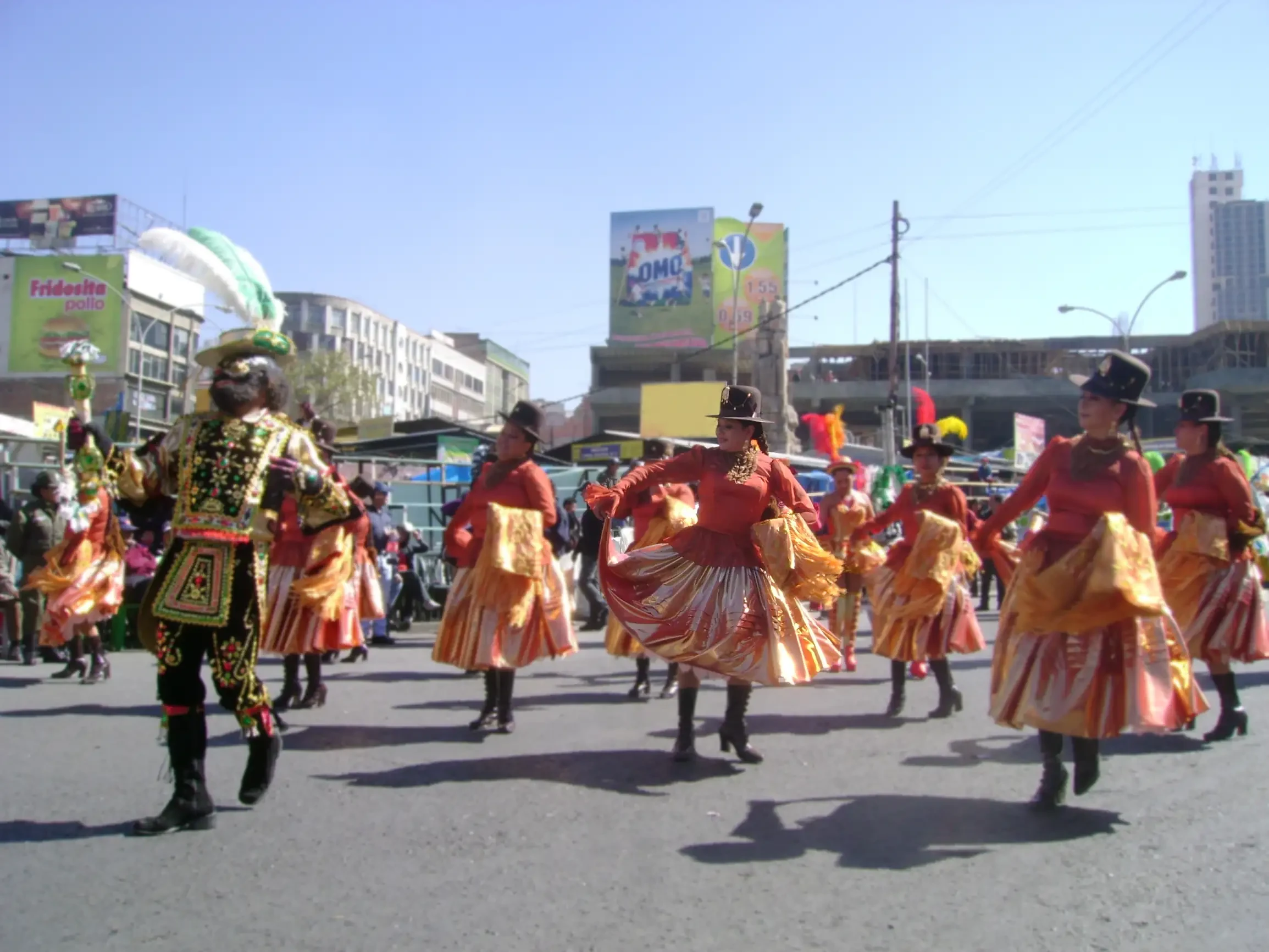
La Paz experiences the fullest expression of its folklore in the Gran Poder Festival, with costumes, dances, and customs, finding color in the traditional outfits that come to life before the spectators' eyes. The Gran Poder festival takes place during the feast of the Most Holy Trinity; in this festival, one of the main representatives is the "Chola," historically the result of the configuration of Spanish and indigenous people called "cholo," and the chola as a family unit.
Jaén Street
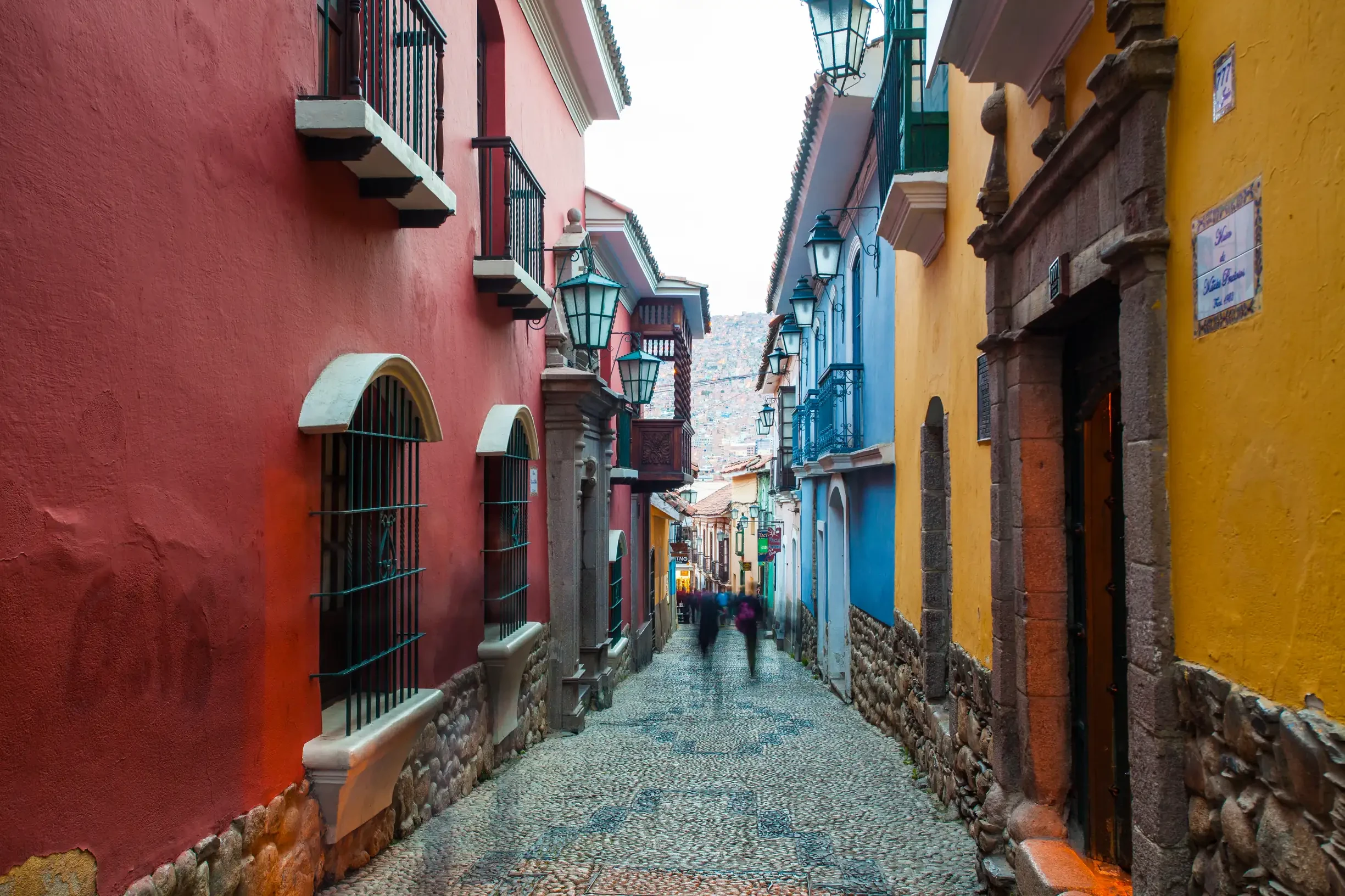
Jaén Street, officially Apolinar Jaén Street, is the most emblematic artery of La Paz's historic district and a true open-air museum. The street preserves its colonial layout and its houses with white and colorful facades, built between the 18th and 19th centuries, which display the typical architecture of the era with wooden balconies, wrought-iron railings, and red tile roofs. In the 16th century, the street functioned as a camelid market, but in the 19th century it became the residence of key figures of Bolivian independence; among its inhabitants stood out Apolinar Jaén, a liberation leader who, alongside Pedro Domingo Murillo, sowed revolutionary ideas in the region. Today the street houses a unique concentration of museums —such as the Museum of Ethnography and Folklore, the Pre-Metal Museum, and the Juan de Vargas Custom Museum— that exhibit pre-Columbian objects, colonial art, and memories of the War of the Pacific. Additionally, its location a few steps from Plaza Murillo and the Metropolitan Cathedral makes it an ideal starting point to explore the history, architecture, and daily life of the "Marvel City."
Viewpoints of La Paz City
Regarding the Viewpoints of La Paz City, the city's topography can be viewed from different angles as it is surrounded by natural viewpoints, the most visited: Jach'akollo, located in the Nuevo Potosí area; Alto Pampahasi, Sallahumani on the La Paz – El Alto highway; as well as Killi Killi, which is the most visited.
Church of San Francisco
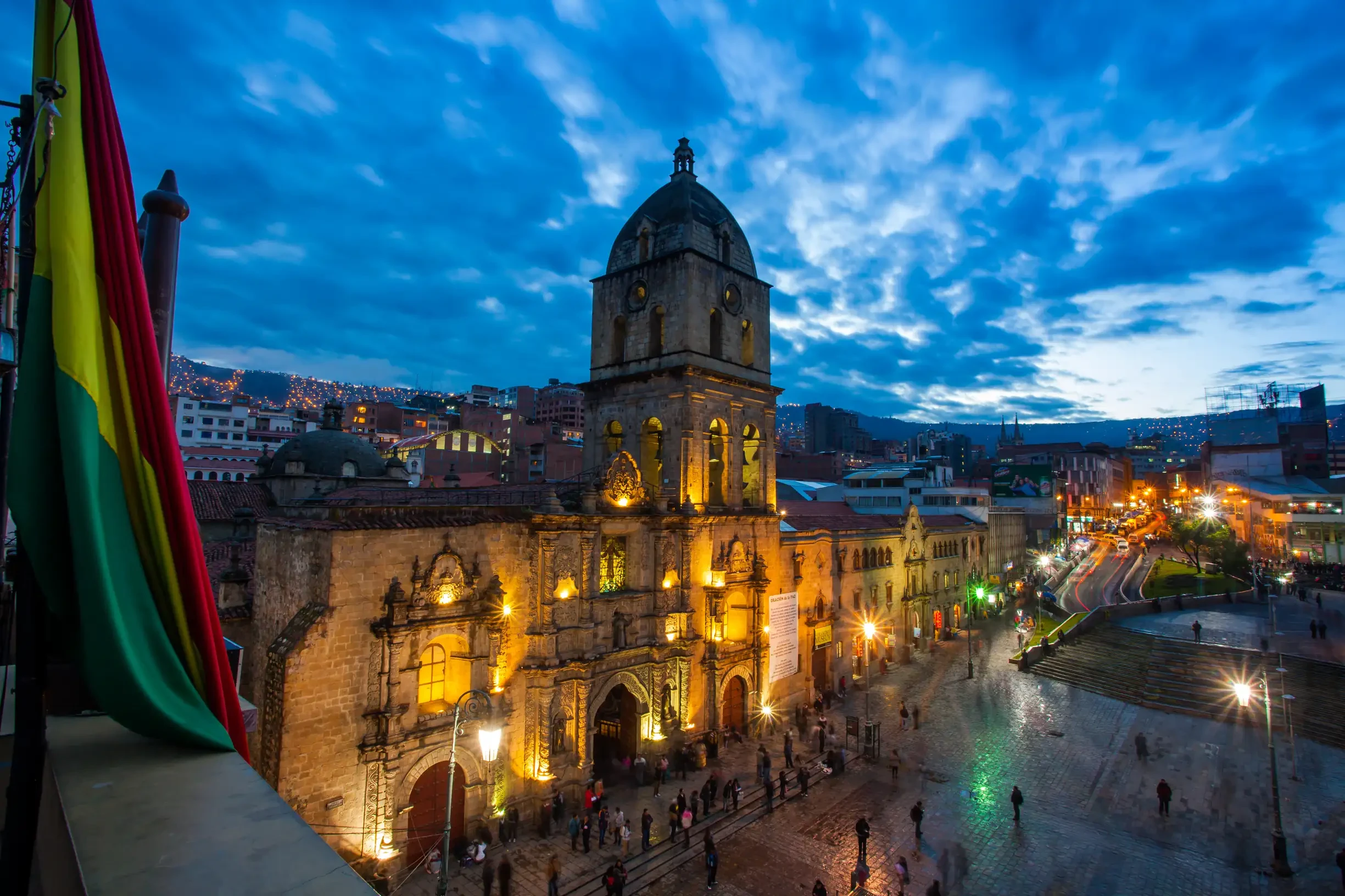
The Church and Convent of San Francisco are one of the most emblematic colonial complexes in La Paz. Construction of the temple began in 1743 and, after several expansion phases, was completed in the mid-18th century (between 1743 and 1772); its facade is carved in pink sandstone extracted from local quarries, giving it a warm and distinctive tone. The architectural style is a blend of Spanish Baroque and Andean motifs, visible in the reliefs that incorporate snakes, dragons, tropical birds, and symbols of the Tiwanaku culture. The adjacent convent, founded in 1548 by the Franciscans, now houses the San Francisco Cultural Museum, which exhibits religious art, textiles, and objects of daily life from the colonial era. Additionally, the 19th-century tower and the dome allow visitors to climb to the roof to enjoy a panoramic view of Plaza San Francisco and the city that extends between the hills of Illimani and Choqueyapu. The combination of carved stone, syncretic art, and its function as a spiritual and cultural center make San Francisco a key piece of La Paz's historical heritage.
Trekking and Mountaineering
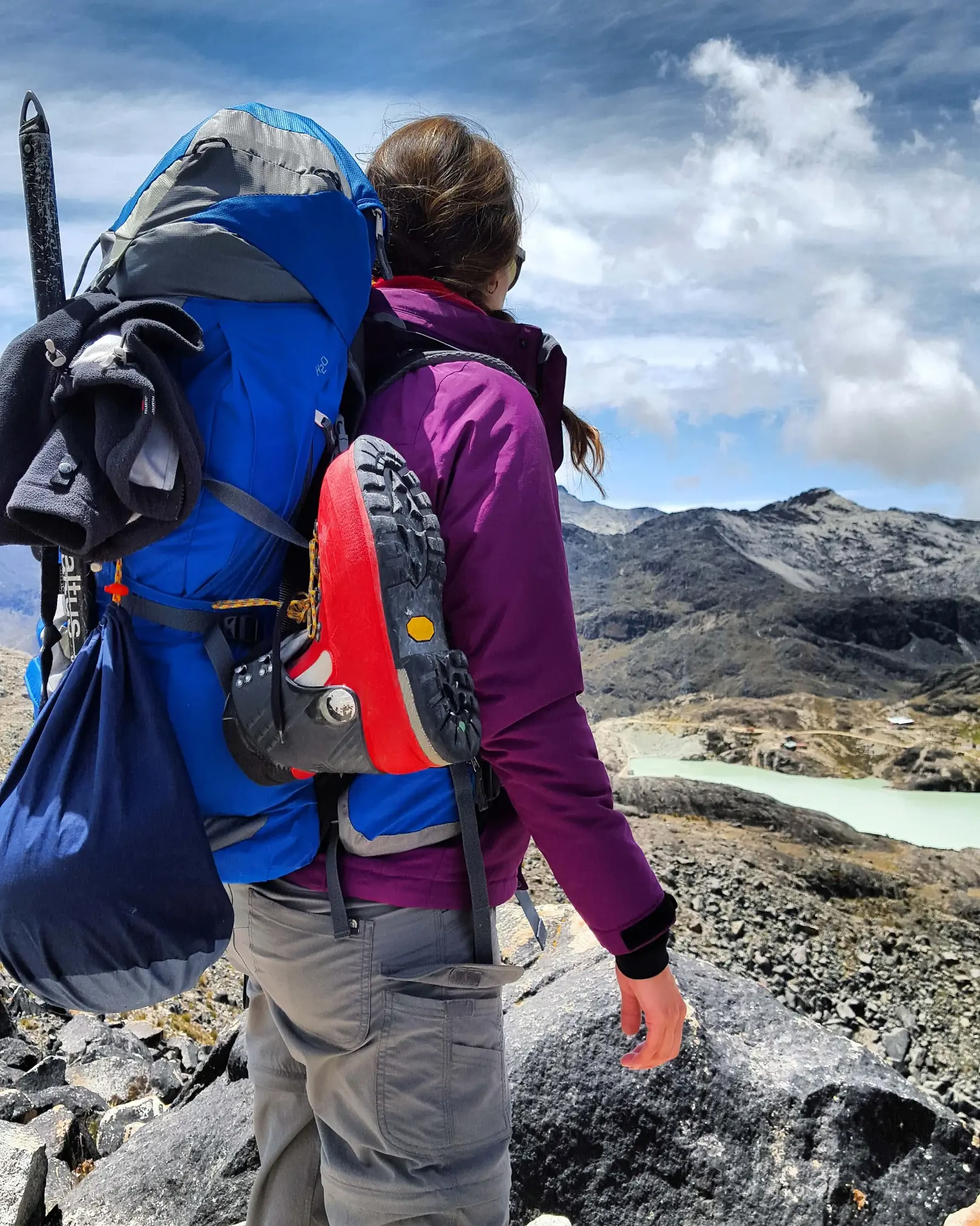
La Paz is one of the main adventure tourism destinations in South America. Its privileged location, at the foot of the Royal Cordillera of the Andes, allows access in a few hours to high mountain scenarios ideal for trekking, mountaineering, and extreme nature experiences.
Among the most popular short excursions is the visit to Chacaltaya, an old ski resort and natural viewpoint at over 5,300 m above sea level, from where panoramic views of the Altiplano and the Cordillera can be obtained. Another notable option is the ascent to Pico Austria, a high mountain hike accessible for hikers in good physical condition, which offers impressive views of the Condoriri massif and glacial lagoons.
For lovers of long-distance trekking, the historic Pre-Columbian Routes such as the Choro Route and the Takesi Route represent unique experiences. These ancestral routes cross the Andes Cordillera and progressively descend to the subtropical zone of Los Yungas, combining high mountain landscapes, cloud valleys, and lush vegetation.
Likewise, La Paz is a starting point for expeditions to emblematic snow-capped peaks such as Huayna Potosí and the Condoriri Group, classic mountaineering destinations in Bolivia. The diversity of altitudes and ecosystems makes the surroundings of La Paz an incomparable setting to experience adventure, culture, and nature in a single trip.
Madidi National Park
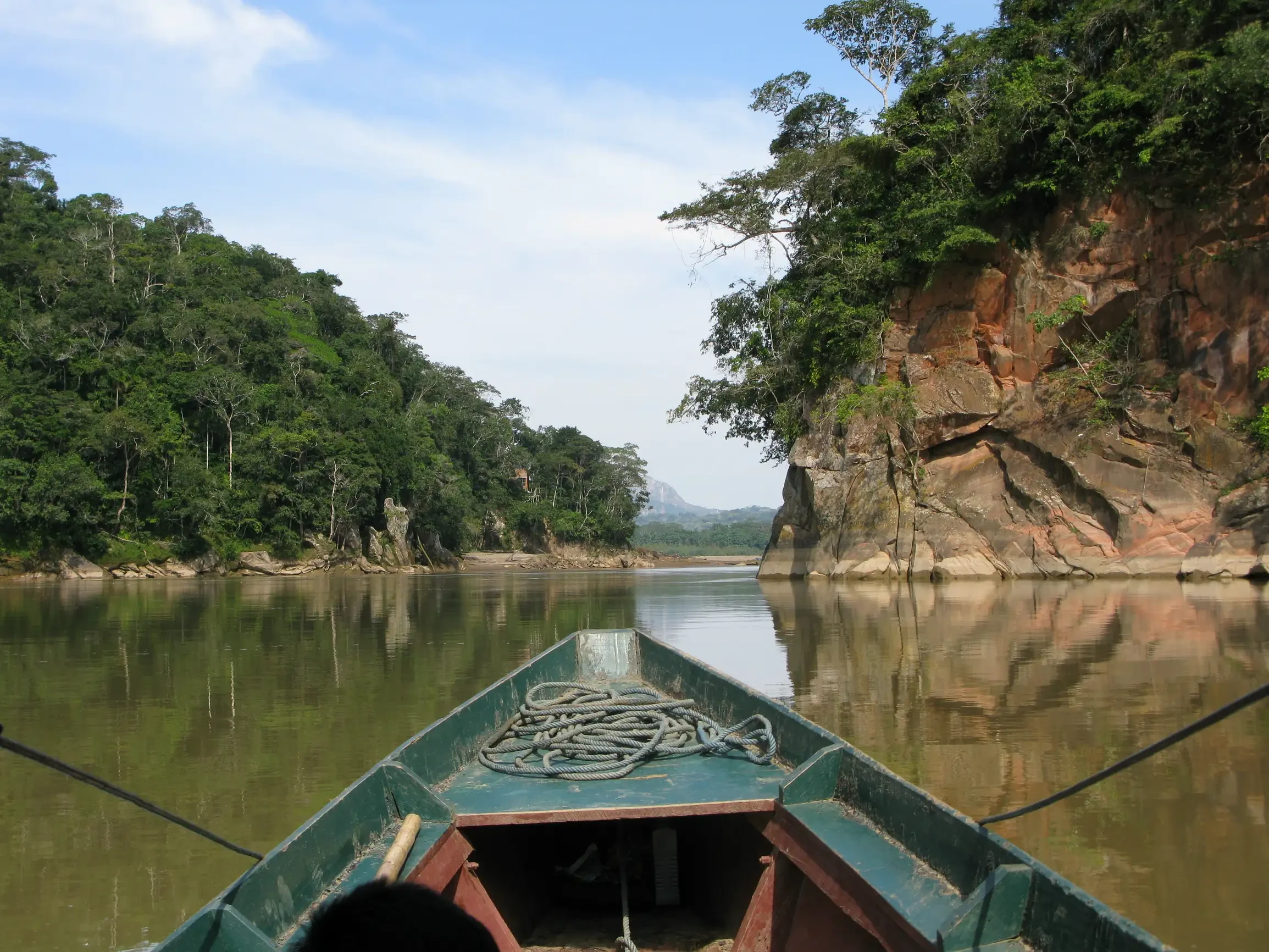
Madidi National Park – Located in the far northeastern corner of the La Paz department, Madidi National Park protects approximately 18,958 km² of Amazon rainforest, mountain forests, and Yungas savannas. Founded in 1995, it is one of the most biodiverse parks on the planet: more than 5,500 plant species, approximately 1,800 vertebrates, and over 20,000 insects have been recorded, representing around 3% of global flora and 3.75% of global vertebrates. The area is part of an enormous conservation network that includes the Manuripi-Heath and Apolobamba parks, and the Manu Biosphere Reserve in Peru, creating one of the largest protected areas in the world. Madidi also hosts 31 indigenous communities (mainly Tacanas and Mochicas) who practice agroforestry and community ecotourism, offering visitors routes to observe jaguars, macaws, pink dolphins of the Madre de Dios River, and a wide variety of orchids and bromeliads.
Tiwanaku
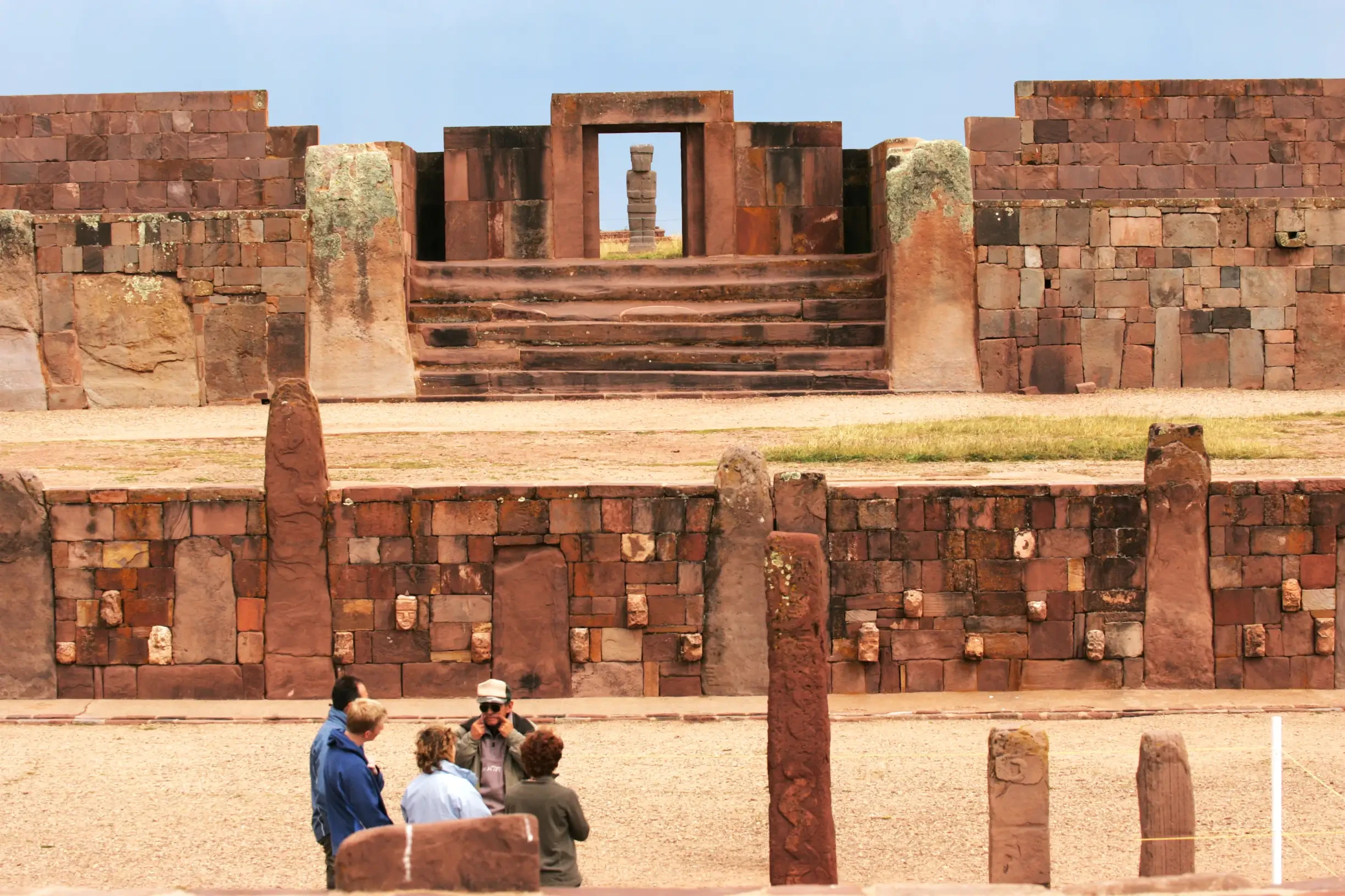
Tiwanaku Archaeological Complex – Located about 70 km south of Lake Titicaca, at approximately 3,850 m above sea level, lies Tiwanaku, the ceremonial capital of the powerful pre-Columbian empire that flourished between 500 and 900 AD. The site, declared a UNESCO World Heritage Site in 2000, covers approximately 4 km² of surface area and houses emblematic monuments such as the Gate of the Sun, the Semi-Submerged Temple, the Akapana Pyramid, and the Kalasasaya Complex. Gigantic carved stone slabs, some weighing more than 10 tons, demonstrate advanced engineering techniques and astronomical alignments that continue to intrigue researchers. Modern excavations, initiated in the 1970s, have revealed a highly organized society with terrace farming systems, irrigation channels, and a trade network that extended to the Pacific coast. Tiwanaku remains a pilgrimage center for contemporary Aymara peoples, who consider the site the spiritual and cultural origin of their identity.
Tripadvisor