






Travel information for visiting the Jesuit Missions from Santa Cruz
About the Jesuit Missions and the City of Santa Cruz de la Sierra
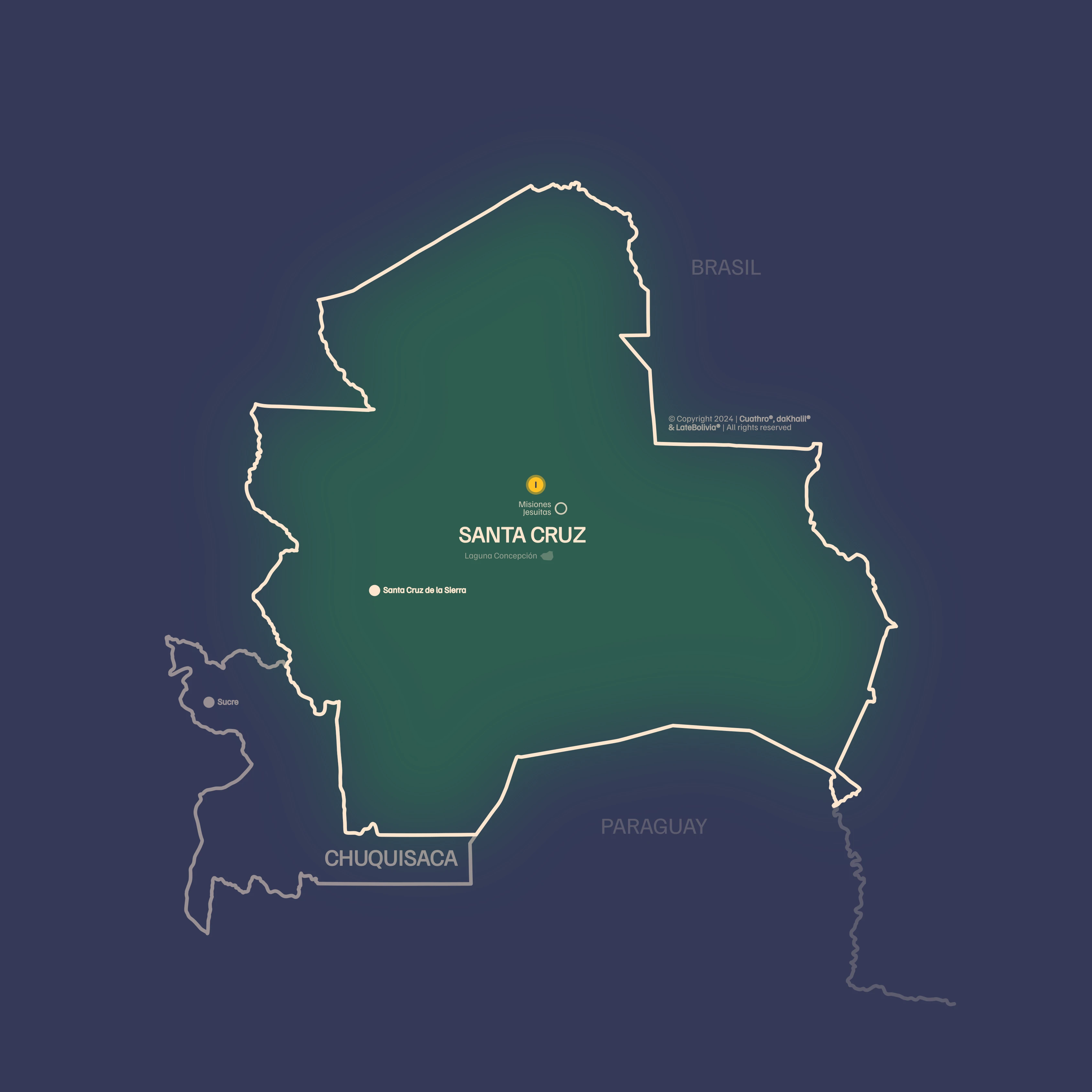
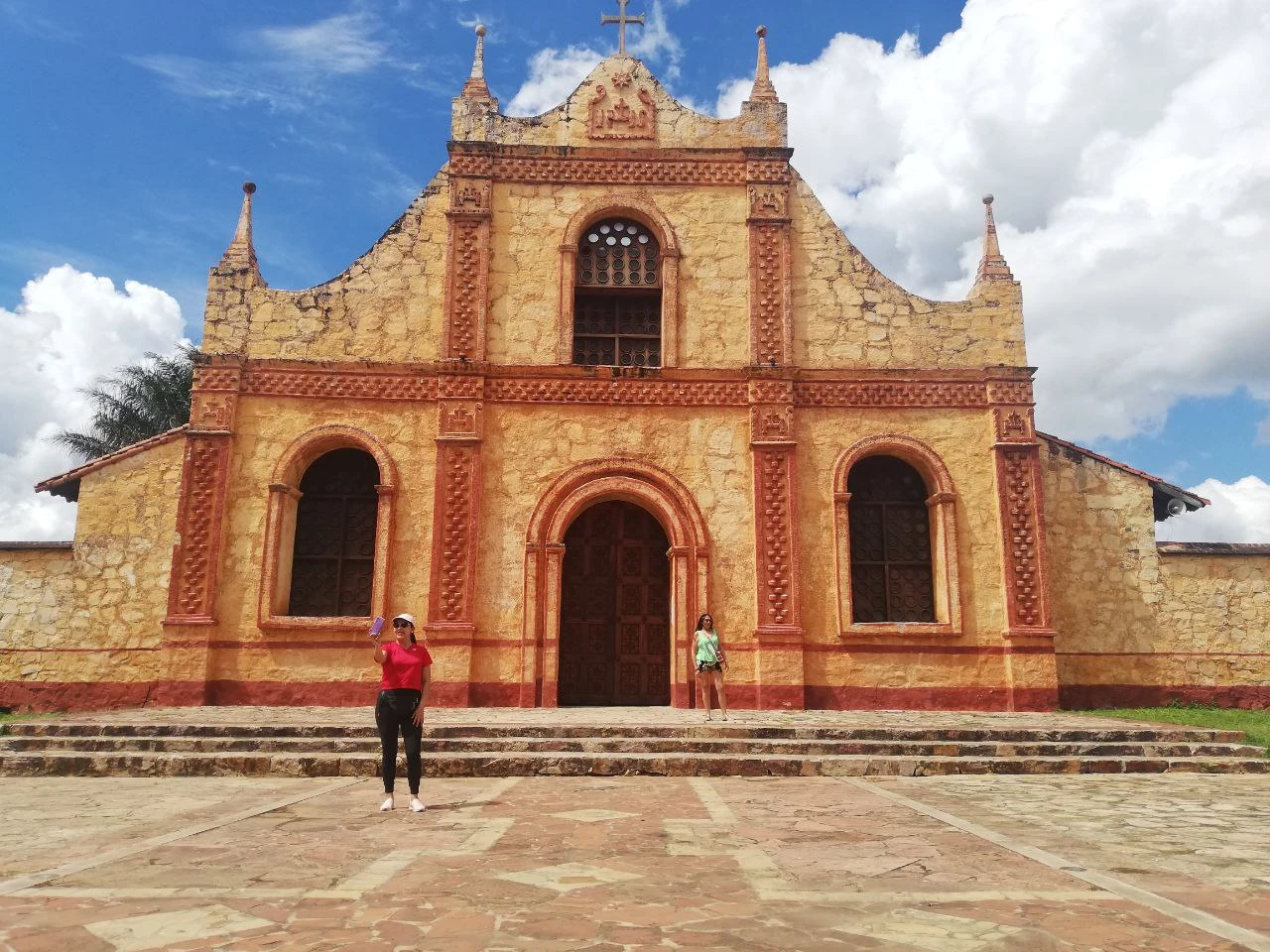
The Jesuit Missions of Chiquitos were founded by Jesuit Missionaries between 1696 and 1760, in the eastern zone of the Santa Cruz department. They constitute a set of reductions (among the most important: San Javier, Concepción, Santa Ana, San Miguel, San Rafael, and San José) declared a World Heritage Site by UNESCO in 1990, mainly due to their unique fusion of European Catholic architecture with local traditions and their value as "reductions" of the 16th century.
Each town today preserves a church with a rectangular floor plan, gabled roofs, wide eaves, and a western gallery, and is surrounded by plazas and civil buildings that reflect the social organization taught by the Jesuits to the Chiquitano peoples.
The city of Santa Cruz de la Sierra, capital of the Santa Cruz department, is located in southeastern Bolivia, in the Andrés Ibáñez province, at 428 m a.s.l. Its tropical savanna climate presents mild winters with average temperatures around 14 °C and hot summers reaching 33 °C, accompanied by a marked rainy season from November to March. This combination of strategic location, warm climate, and Jesuit heritage makes Santa Cruz a reference point for both colonial history and cultural and scenic tourism in eastern Bolivia.
Tourist Attractions
Chiquitos
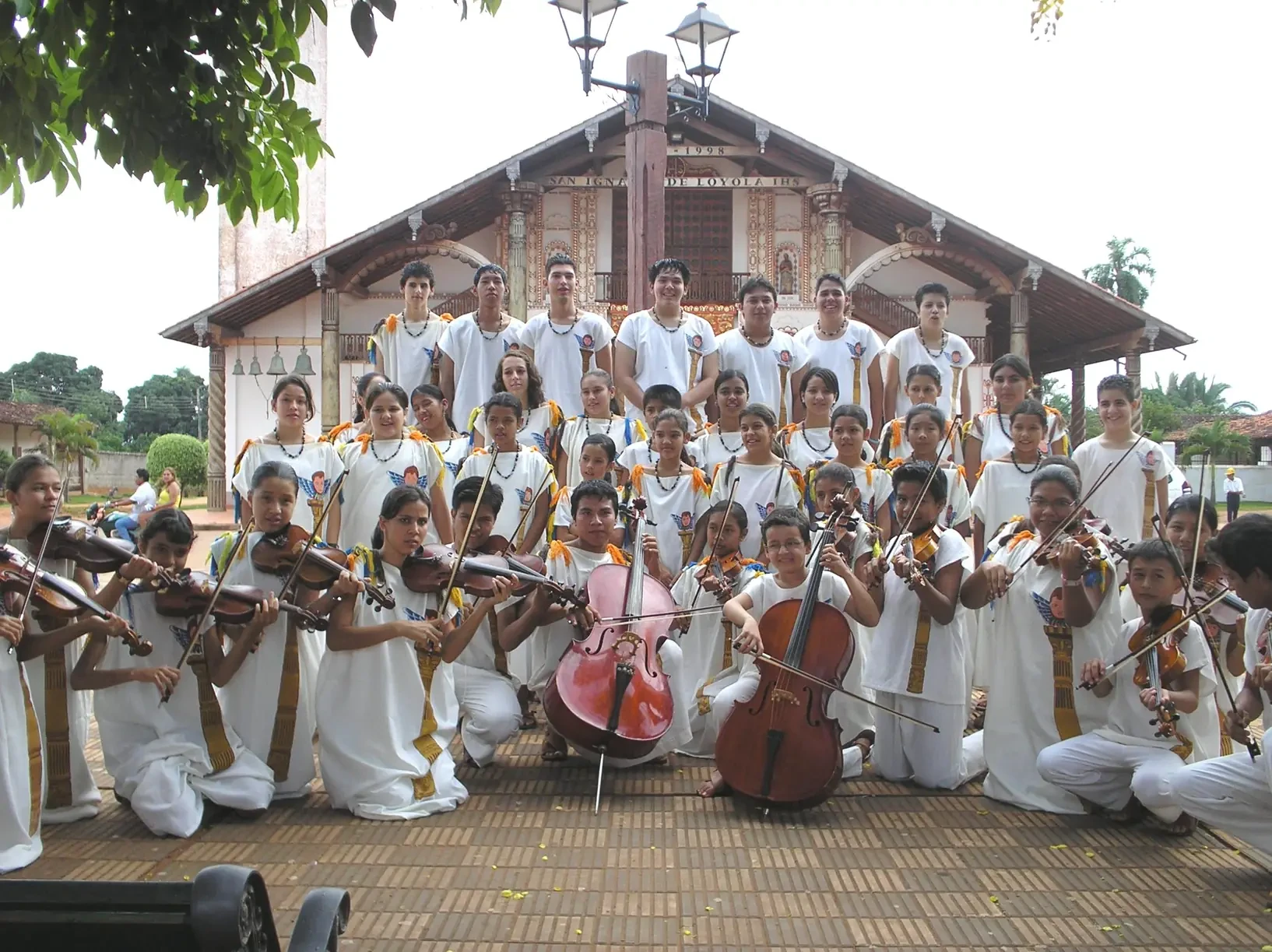
UNESCO named the towns of Chiquitos as World Cultural Heritage, since unlike other Jesuit towns that only remain in ruins, in Chiquitos their beautiful churches, musical scores, customs, clothing, festivals, ceremonies, instrument manufacturing, and musical tradition are still preserved. These towns are San Xavier (located 240 km from Santa Cruz de la Sierra), Concepción (290 km away), Santa Ana, San Rafael, San Miguel, and San José de Chiquitos, as well as San Ignacio de Velasco (460 km), Santiago de Chiquitos, and Santo Corazón, which have not been included in the UNESCO declaration but are equally comparable in attraction and heritage wealth.
One of the most important ethnic groups in the Amazonian area is the Chiquitano, who practiced subsistence agriculture, hunting, and fishing. This group is mainly settled in San Javier, Concepción, San Ignacio, and San José. The missions were characterized as organizations of this ethnic group governed by the principle of land, with community-owned workshops, obligatory work for all able persons, and a portion of production destined for the maintenance of orphans, widows, elderly, and disabled people.
The architectural characteristics and spatial distribution of the missions followed a scheme that was repeated with certain variations in the rest. The San Javier mission was the basis of this organizational style, with a modular structure and a wide surrounding plaza, where the church, cemetery, schools, workshops, and housing were concentrated.
International Festival of American Renaissance and Baroque Music "Missions of Chiquitos"
Evangelization in these missions was widely welcomed through the use of Renaissance and Baroque music, evident proof of this is the successful International Festival of American Renaissance and Baroque Music "Missions of Chiquitos", which takes place biennially in its international version.
The priest, architect, and musician Martin Schmidt, together with the local inhabitants, built the churches with a mestizo Baroque style unique to the region. These majestic churches have been declared World Cultural Heritage by UNESCO and are located in the towns of: San José, Santa Ana, San Rafael, San Miguel, San Ignacio, Concepción, and San Javier.
Chiquitano Dry Forest
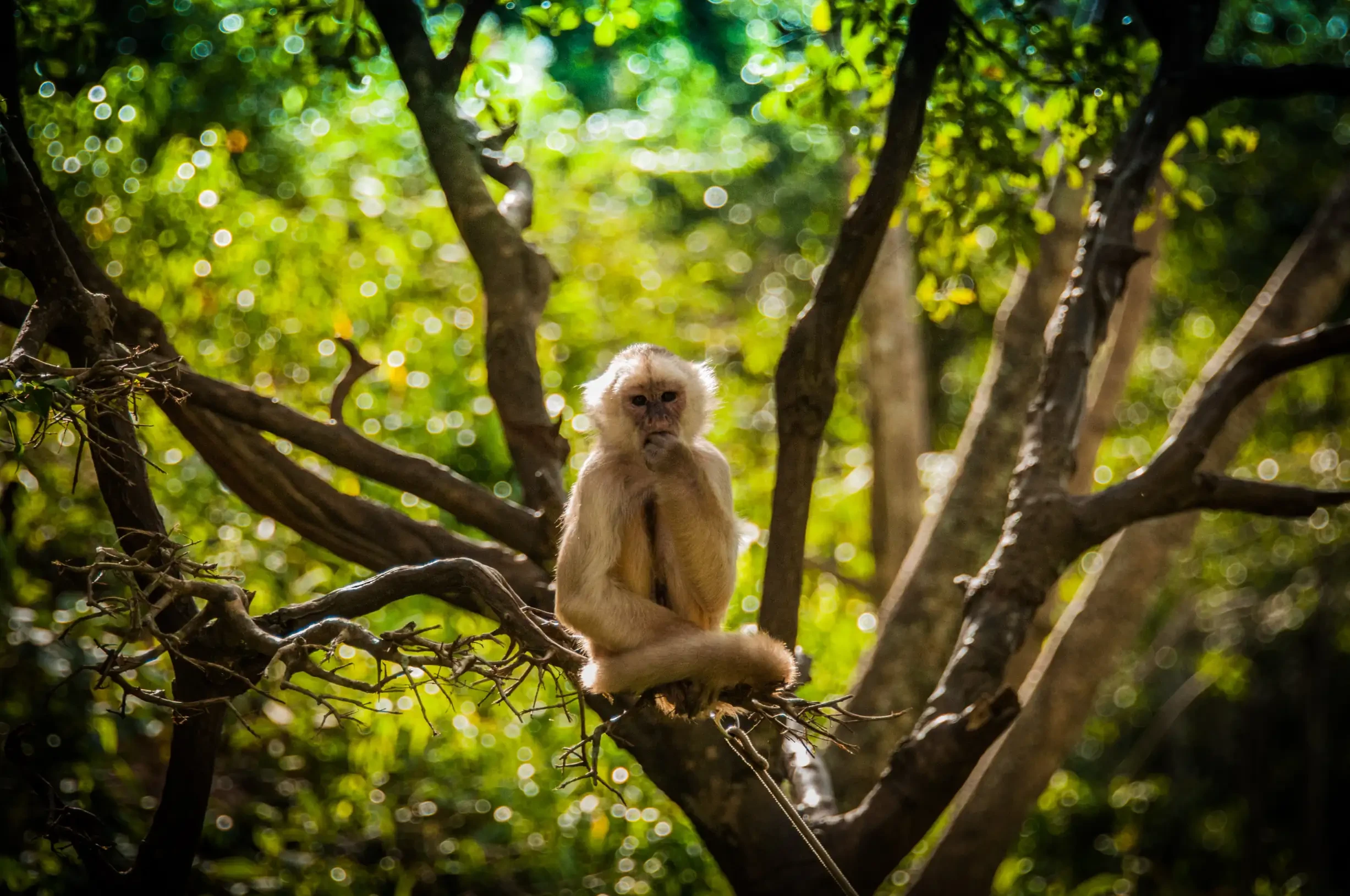
The Route through the Heart of the Missions and the Chiquitano Dry Forest is characterized by its cultural and natural richness, where Spanish Jesuits have left their mark on the indigenous populations, Guarayos, and Chiquitanos, who have preserved the colonial architecture and wood carvings integrated into the dry forest. The area is classified as one of the last remaining relics of this kind in Latin America.
The diversity of orchids adorns the indigenous villages, where through Baroque music, crafts, and dances, they share with visitors the ancestral knowledge that has remained in syncretism with the missionaries' culture.
The Chiquitano Dry Forest has been classified as unique in the world as it demonstrates the transition from the humid forest coming from the Bolivian jungle and the Chaco region, and the dry valleys coming from southern Bolivia, Argentina, and Paraguay.
City of Santa Cruz de la Sierra and its surroundings
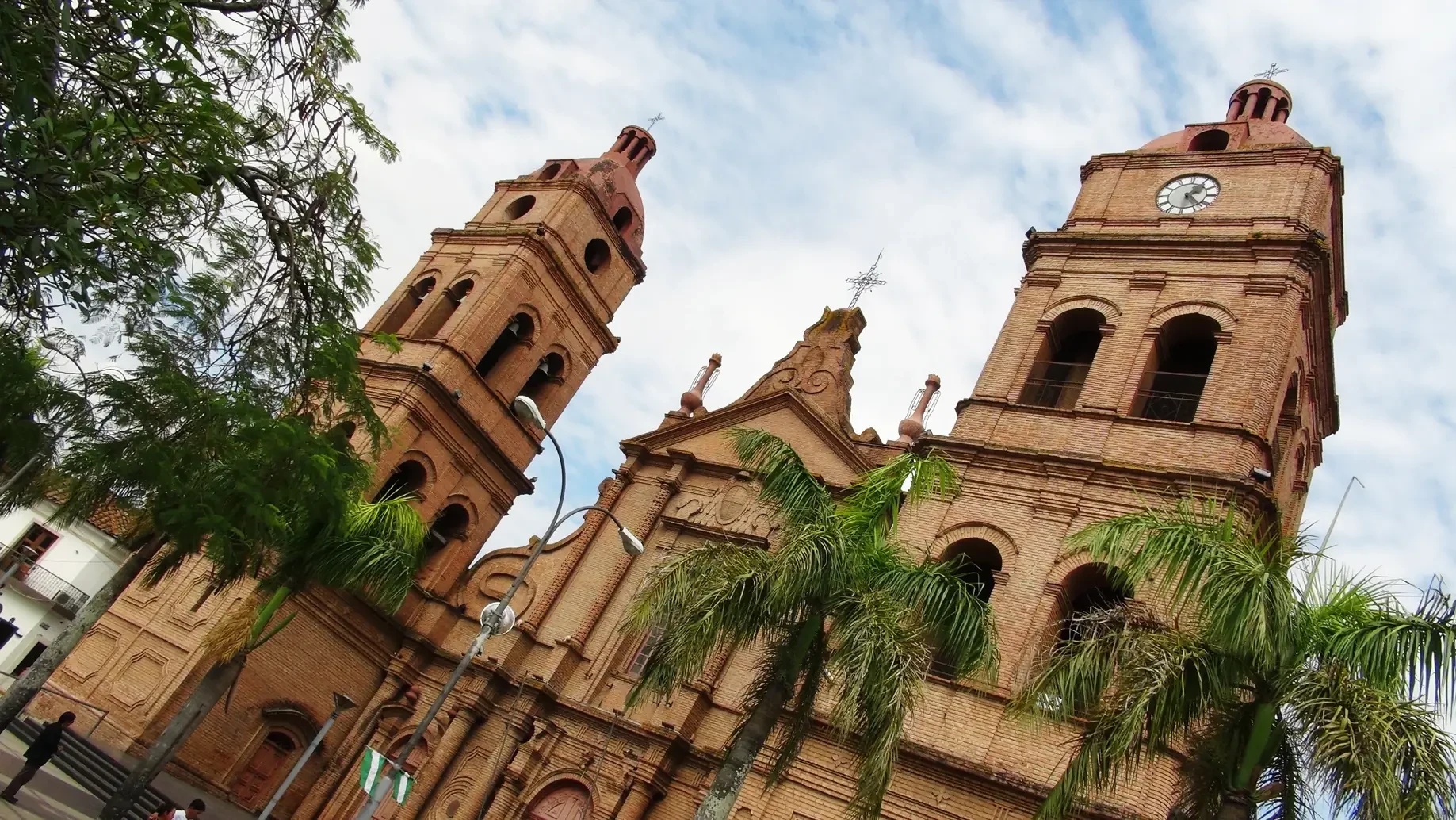
Among the main attractions of the city is the Metropolitan Cathedral, inside which is the cathedral museum, containing pieces of historical and artistic richness.
In the surrounding areas are the traditional "Cabañas del Río Piraí", the "Lomas de Arena" and Cotoca.
The Santa Cruz department has important natural attractions such as the Bolivian Pantanal, Noel Kempff Mercado National Park, and Amboró National Park, very close to the archaeological complex of Samaipata.
Tripadvisor