






The biggest festival of the Andes
About the Carnival of Oruro
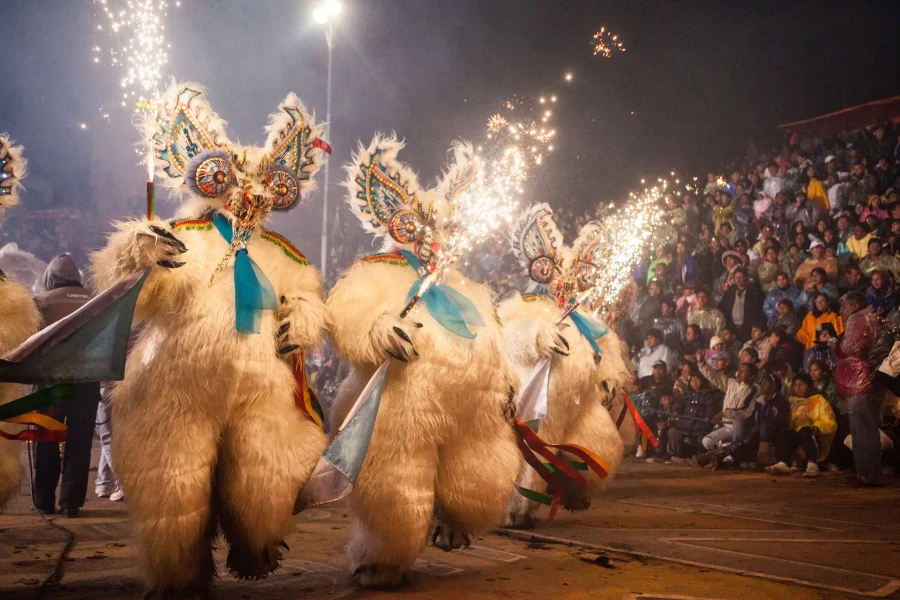
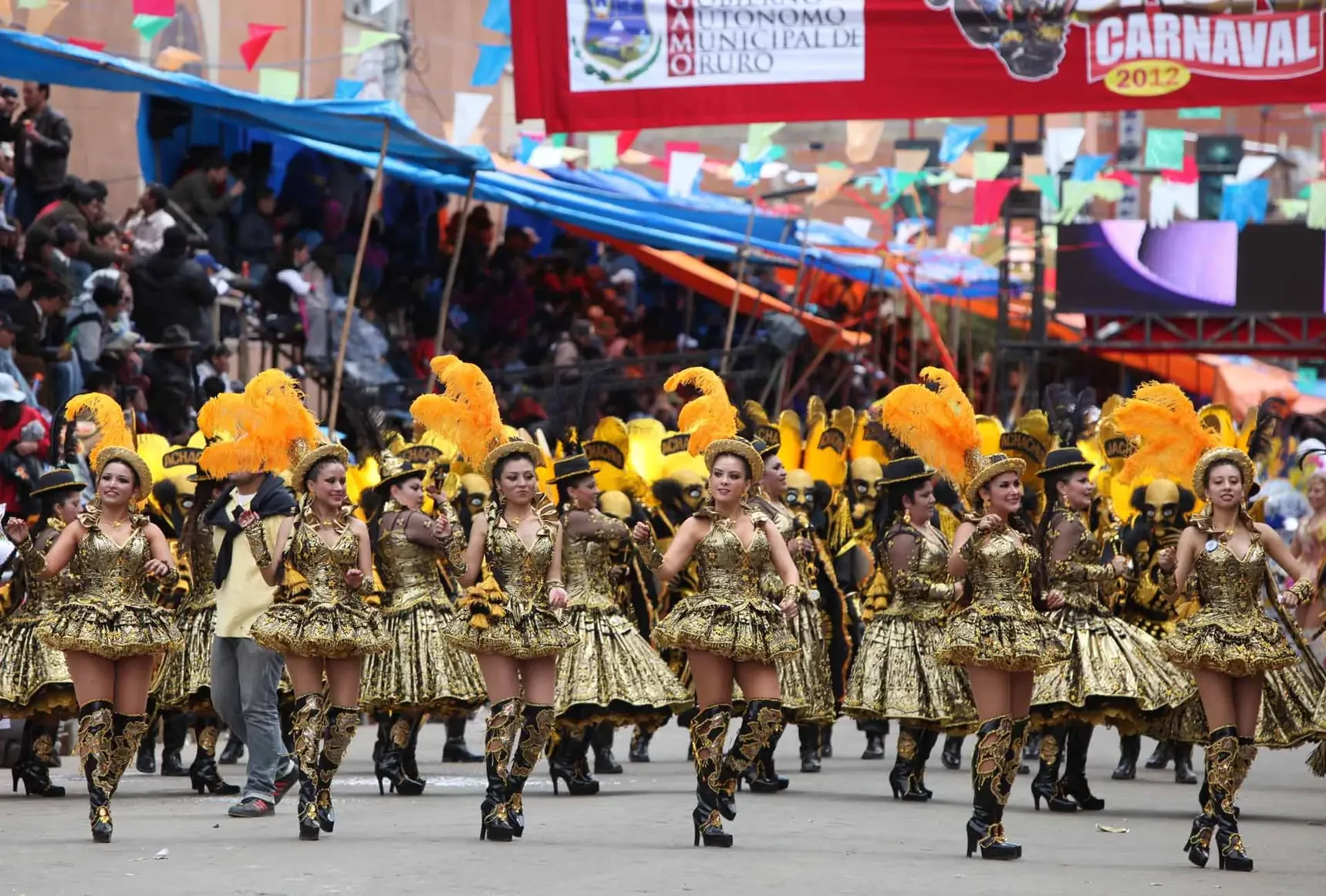
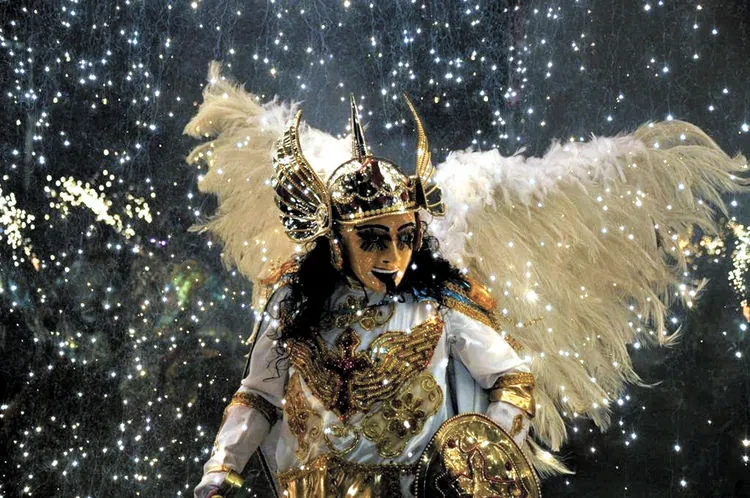
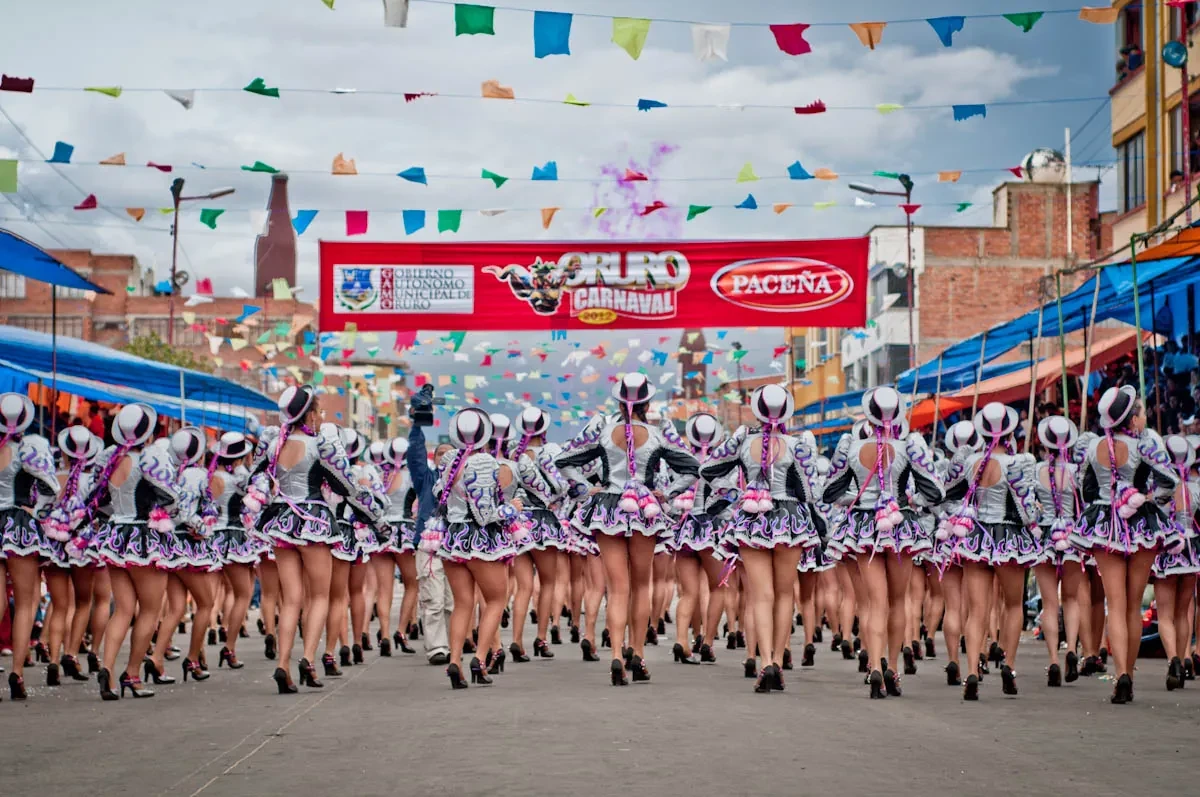
The Carnival of Oruro is the greatest folkloric expression of Bolivia and one of the most emblematic celebrations of the Andes, recognized by UNESCO as Intangible Cultural Heritage of Humanity. Its most representative dance is the Diablada, the central symbol of the carnival. This dance has roots in ancient Andean beliefs linked to the worship of protective deities of the underworld, later fused with the Catholic tradition introduced during the colony. The choreography represents the struggle between good and evil, led by Archangel Michael and a troupe of devils with elaborate masks and embroidered costumes. The Diablada is not only a visual spectacle, but a historical manifestation of identity, cultural resistance, and deeply rooted religious devotion.
Itinerary
Day 1
La Paz ➔ City tour in La Paz
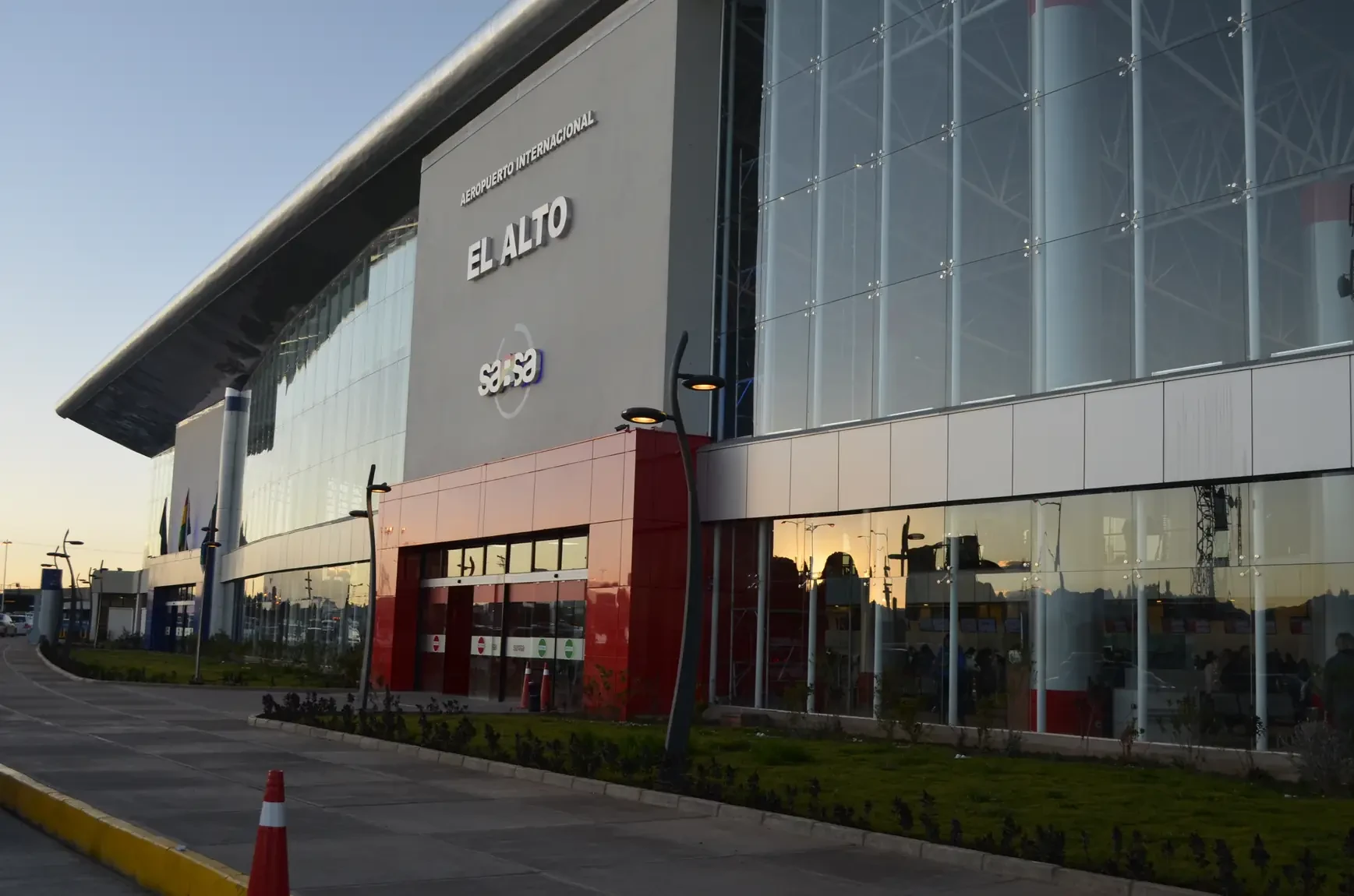
- We will welcome you at the airport for your transfer to the chosen hotel.
- Stroll through the historic center of the city, we will walk through the typical markets and the famous "Witches' Market." Visit to the Museum of Ethnography and Folklore.
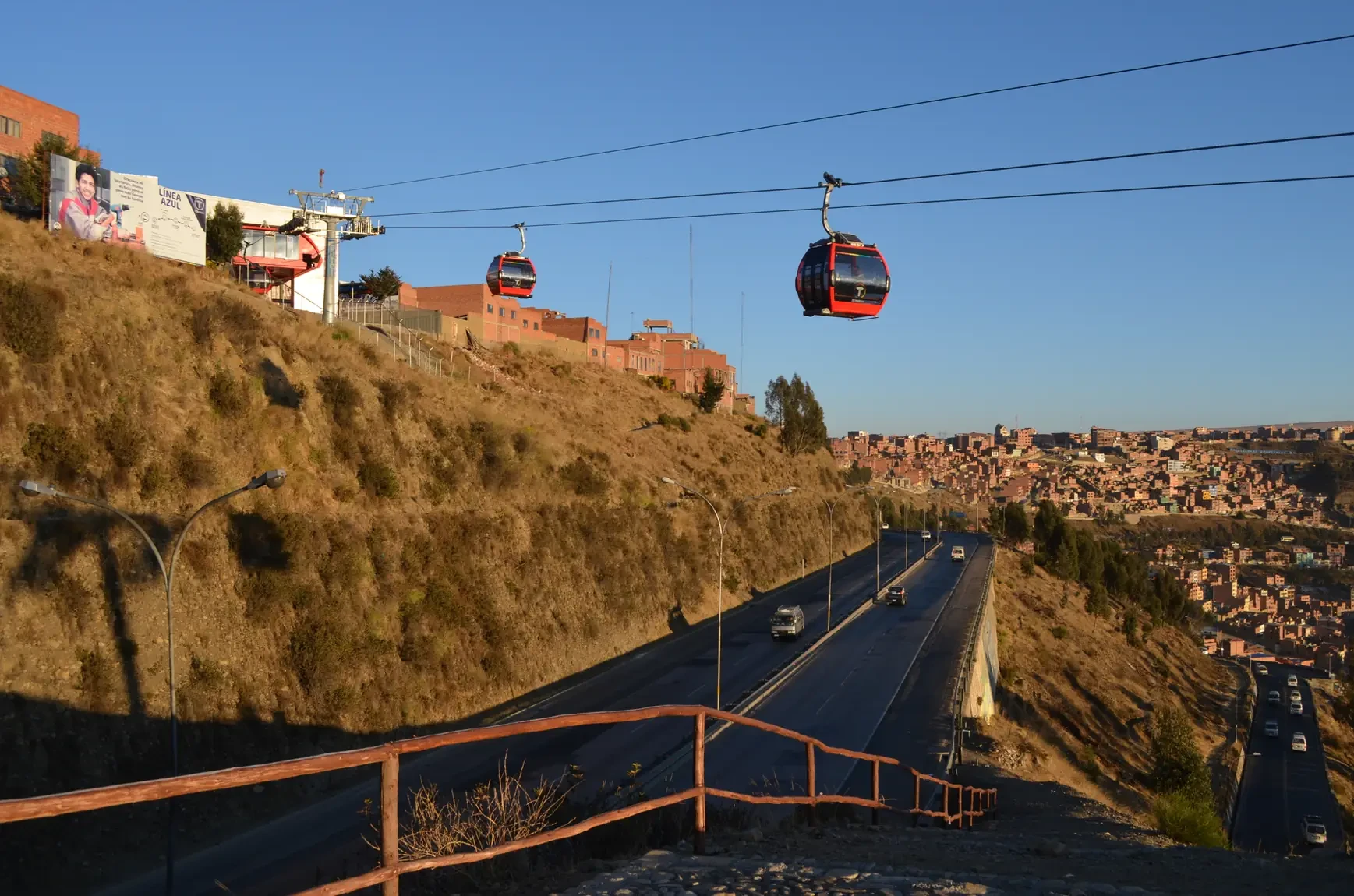
- Afterwards we will head to the southern area of the city enjoying fantastic views from the Cable Car.
- Visit to the Valley of the Moon and finally lunch, where you will learn more about cutting-edge Bolivian gastronomy at the chosen restaurant (options: Gustu, Manq´a or Ali Pacha).
Day 2
La Paz ➔ Oruro
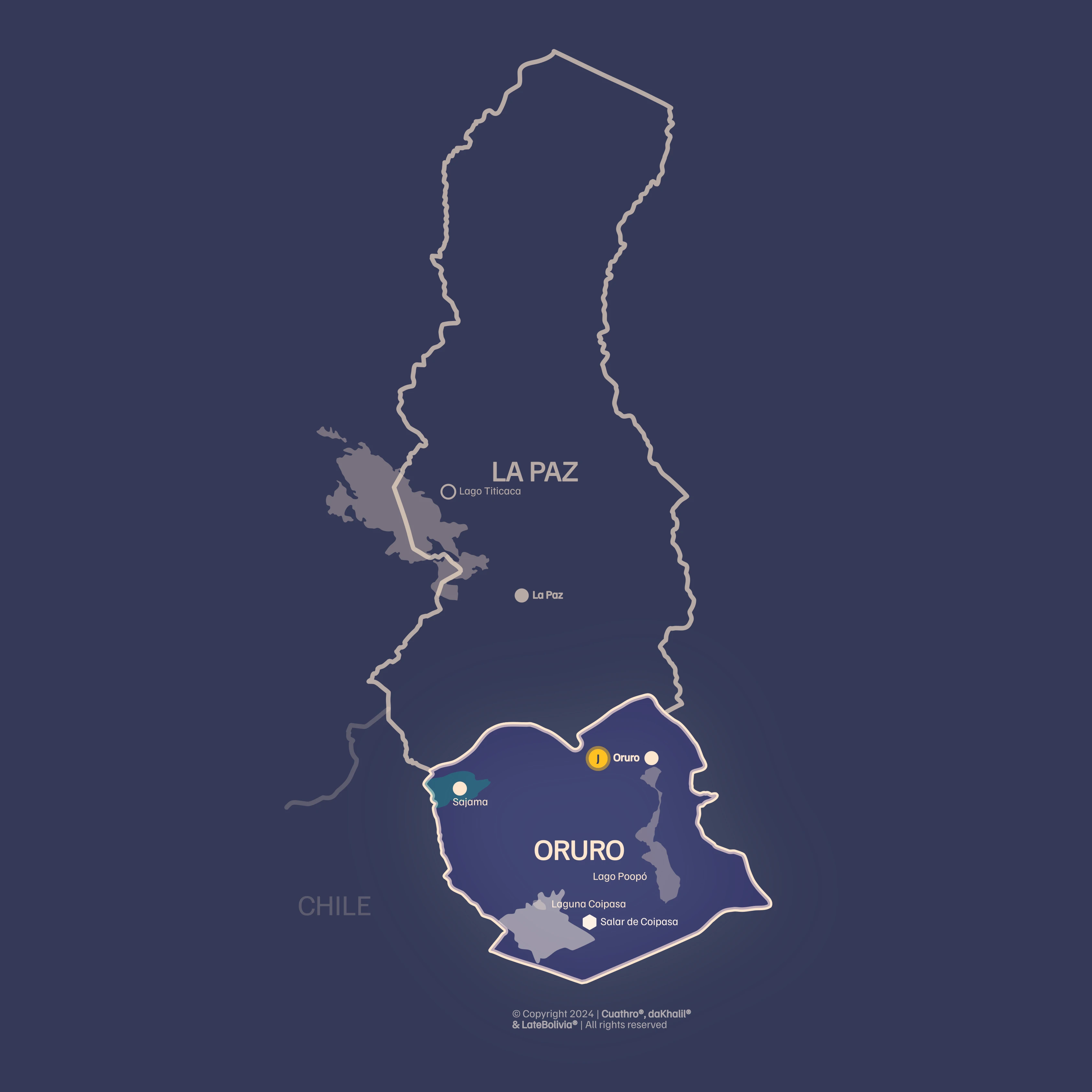
- Private transfer to the city of Oruro, a 4-hour journey.
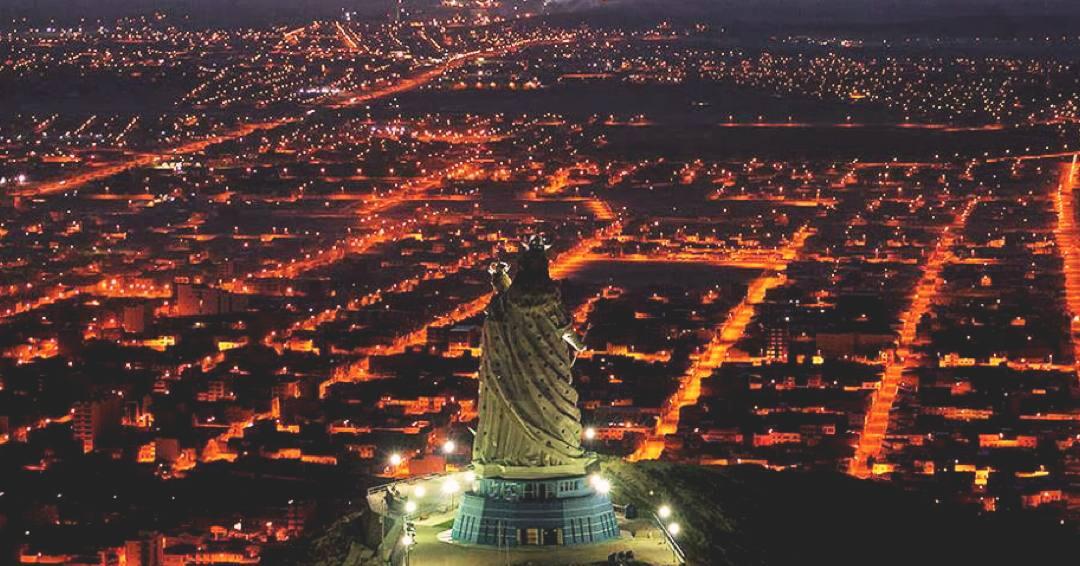
- In the afternoon we will walk through the city to visit the Church of the Socavón, with the Virgin of Candelaria, in whose name the pilgrimage of the dancers of the festival that we will observe on Carnival Saturday is carried out. We will have the opportunity to perceive the effervescence caused by this carnival, which is one of the greatest cultural expressions in the world.
- The Carnival of Oruro constitutes a cultural, popular, and traditional expression of great value, when Andean traditions meet during the colony with the cult of the Virgin of Candelaria, seeking adoration of the Creator God with the dance of the "Llama Llama," where he is the main character; this dance is today known as the famous "Diablada," which, together with other dances, gather to parade in troupes through the streets of the city until reaching the Virgin of Socavón (Virgin of Candelaria).
- More than half a dozen groups will perform numerous dances that parade and pilgrimage continuously for 20 hours in front of spectators, coming from all over the country and the world. This majestic activity is carried out following a tradition that has been consolidated by being declared a "Masterpiece of the Oral and Intangible Heritage of Humanity" by UNESCO.
Day 3
➔ Entrance or "Pilgrimage" of the Carnival of Oruro
- We will have breakfast at the hotel and then head to the preferred bleachers along the route of the "Entrance of the Carnival" to arrive in time to enjoy the first groups of dancers arriving at the venue. We begin to enjoy the great richness of Bolivian folklore; we are ready to experience the greatest folkloric spectacle of the Andes!
- Throughout the day, we will appreciate the most representative dances of the Carnival: Diablada, Morenada, Caporales, and Tinku; among others that are also very important to our culture.
- At night, we will leave the bleachers and head to the hotel to rest after a long day of this magnificent spectacle.
Day 5
Uyuni ➔ Uyuni Salt Flat
- Day visit to the fantastic Salar de Uyuni. We will start at the Train Cemetery and the town of Colchani, then enter the Salar de Uyuni and its "Water Eyes," small salt eruptions that will help us understand how this infinite sea of salt was formed.
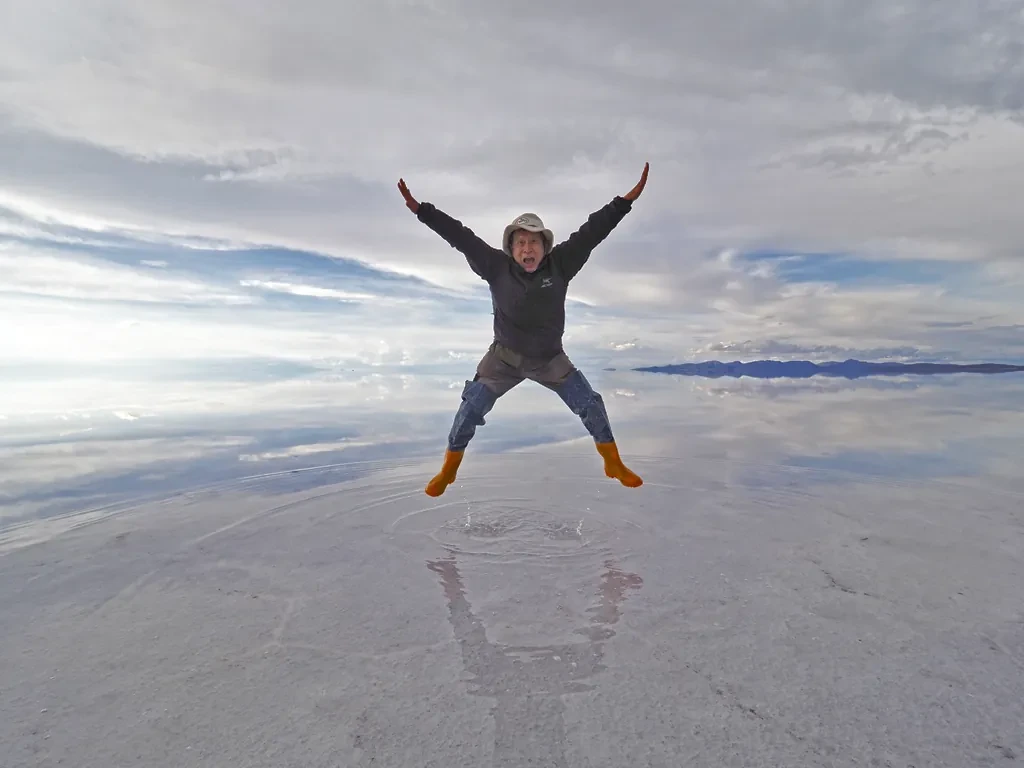
- If the Salar is not flooded, we will be able to reach the middle to Incahuasi Island in the center of the salt flat, where there are large populations of cacti. We will have free time to observe fantastic optical illusions in the "world's largest mirror," it's time to take the most creative and fun photos of your life!
- We will enjoy the sunset on the Salar and return to Uyuni.
Important notes
Availability:
✓ Tours are available every day of the week.
Requirements:
✓ You may be asked to present identification, such as your passport.
Important data:
✓ La Paz is located at 3,600 m above sea level, so an acclimatization period may be required.
Health information:
✓ Make sure you are in good health and have sufficient stamina to participate without difficulty.
Our recommendation:
Alternative Tours
➔ Full Day Oruro Tour
- At 5 am departure by tourist bus from the city center of La Paz heading to Oruro. Thousands of people from all over the country travel to the city of Oruro to experience Bolivia's greatest cultural event, so traffic does not flow normally; the journey is estimated to take 4 hours via the dual‑lane highway connecting both cities of the Bolivian Altiplano.
- Upon arrival in Oruro, our bus will get as close as possible to the location of our bleachers. We will walk a short distance to access them; in the atmosphere we can already hear the powerful sound of drums and trumpets announcing the beginning of the folkloric entrance of the Carnival of Oruro.
- Once settled in our bleachers, we will enjoy the passing of the fraternities that perform beautiful demonstrations of Bolivia's most representative dances, including: Diablada, Morenada, Tinkus, Caporales, Tobas, and many more that will parade throughout the day.
- At night we leave our bleachers to return to La Paz, arriving in the city center around midnight.
- Please consult us if you wish to include a transfer to your hotel.
- Dates of the Carnival of Oruro 2025: The complete program of the Carnival takes place between February 28 and March 4, 2025. Starting February 28, the "Convites" will be held, where dancers and musicians prepare for the main celebration. The days with the most important activities are March 1, 2, 3, and 4; the Great Pilgrimage to the Virgin of Socavón will take place on Saturday, March 2, and the Corso Entrance on Sunday, March 3.
Optional Visits
➔ Sajama National Park from Oruro
- At 06:00 we begin the journey to Sajama National Park at an altitude of more than 4,200 m a.s.l., where we will proudly observe up close the highest mountain in Bolivia: Nevado Sajama, whose summit reaches 6,542 meters.
- In the Park we will visit Huayna Kota Lake, where we can observe Andean flamingos before enjoying a bath in the hot springs.
- In the afternoon we will take a hike through the queñua tree forest, an endemic subspecies of the area.
- We continue our journey to the city of La Paz.
Includes
Not Included
Tripadvisor


Request a quote
Oruro's Carnival in Bolivia
6 days and 5 nights